
Assessing Manufacturing Process Capability and Pilot Line Thermal Equilibrium
Uncompensated thermal non-equilibrium inflates baseline manufacturing process variance, distorting capability indices until thermal steady state is reached.
Uncompensated thermal non-equilibrium inflates baseline manufacturing process variance, distorting capability indices until thermal steady state is reached.

Dynamic variothermal tooling control balances shear-thinning fluid flow and transient boundary heat transfer to eliminate surface defects and stress concentration.

High throughput molding requires balancing injection velocity against viscous dissipation to prevent polymer chain scission and wall slip defects.

First pass yield degradation stems from compounding stochastic variance, tool wear, and thermomechanical drift, requiring precise process window defense.

Resolving multi cavity thermal imbalance requires decoupling mold heat extraction gradients from physical steel dimensions using dynamic surface temperature calibration.

Polymer tooling qualification requires thermal soak logging, restrained datum fixturing, and optical translucency guardbands to guarantee cavity precision.

Phase contrast CT boundary artifacts skew medical additive batch metrics by 18 microns unless Paganin filters calibrate multi cavity beam offsets.
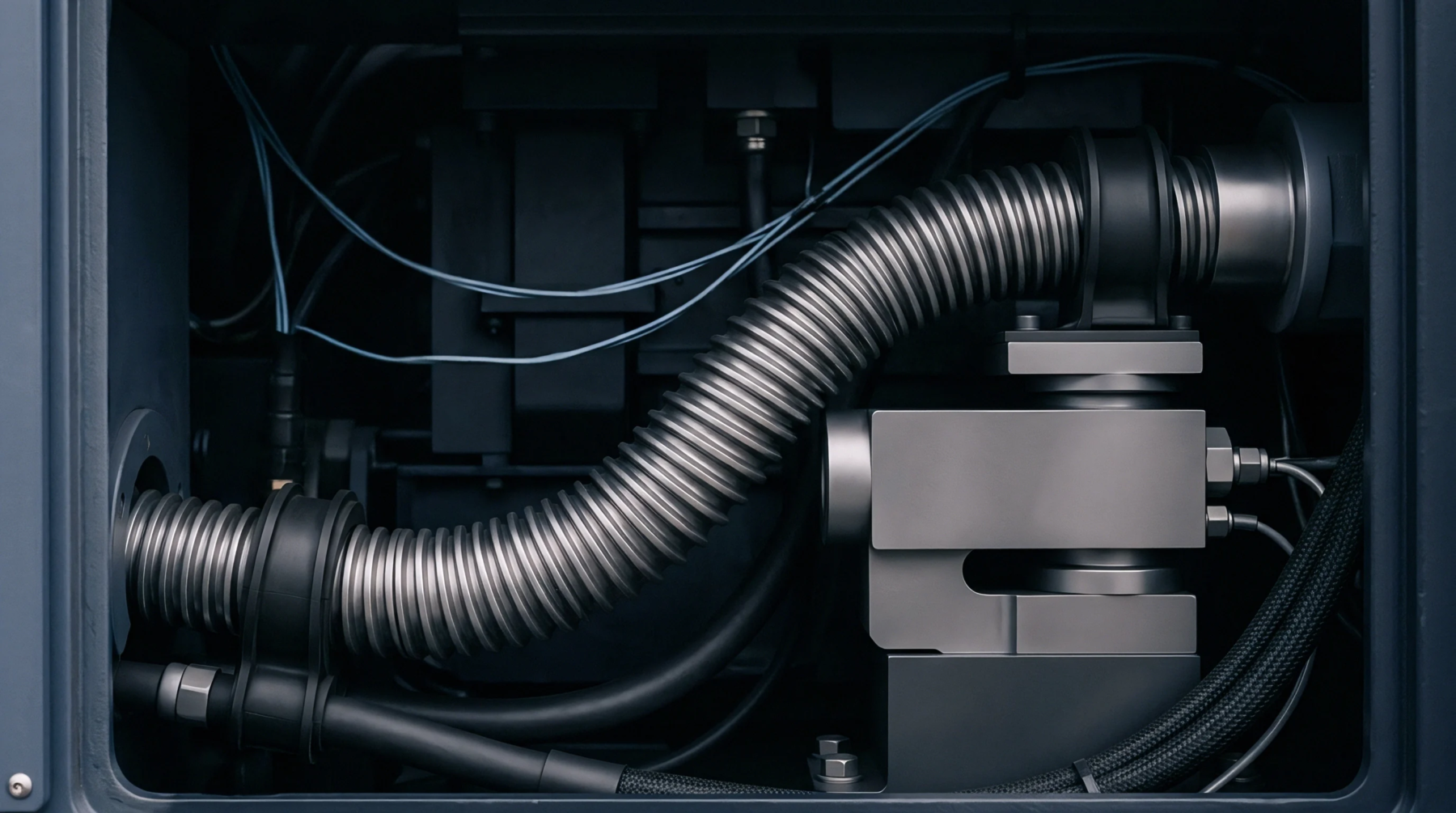
Cross-border factory expansions fail when capital moves before constraints clear; stage gates bind cash releases directly to verified site data.

Cross-border polymer dimensional disputes resolve by locking ISO 291 conditioning standards into supply contracts before ocean freight moisture ingress occurs.

Integrating diffusion control into thermoset kinetic calculations prevents overestimating late-stage mold cure rates near vitrification.

Isothermal cure optimization requires balancing reaction kinetics against vitrification limits to prevent conversion arrest and core thermal runaway.

Active thermal control and cryogenic substrate stabilization eliminate shut-height drift and thermal scrap loss in high-speed progressive stamping dies.

Verifying material holding times across inspection workstations requires real-time telemetry logging, workstation capacity balancing, and strict stage-gate controls.

Standardized structural baseline profiling establishes verifiable surface levelness, load transfer, and subgrade parameters before facility handover.

Real-time telemetry protocols for binding technical arbitration require hardware-signed edge sensor taps, microsecond timekeeping, and state-aware excursion envelopes.

Multi-tenant SLA preemption penalties align physical teardown kinetics, scrap costs, and notice horizons to protect cell yield and enforce tenant accountability.

Quantifying substrate microstructural anisotropy under transient laser heating resolves localized thermal stress and prevents cataclysmic optical distortion.

Empirical slab baseline metrology paired with standardized dynamic load apportionment protocols resolves yieldback disputes rapidly while protecting facility structural integrity.

Dynamic preemption rules and real-time telemetry logs resolve multi-tenant sub-assembly queue disputes, allocating teardown costs and scrap liability accurately.

Bayesian governance frameworks prevent CapEx release deadlocks by separating true physical component defect rates from streaming inline sensor measurement noise.

Virtual finite element unclamping replaces physical checking fixtures by mathematically correcting free-state optical scans to verify flexible part compliance.
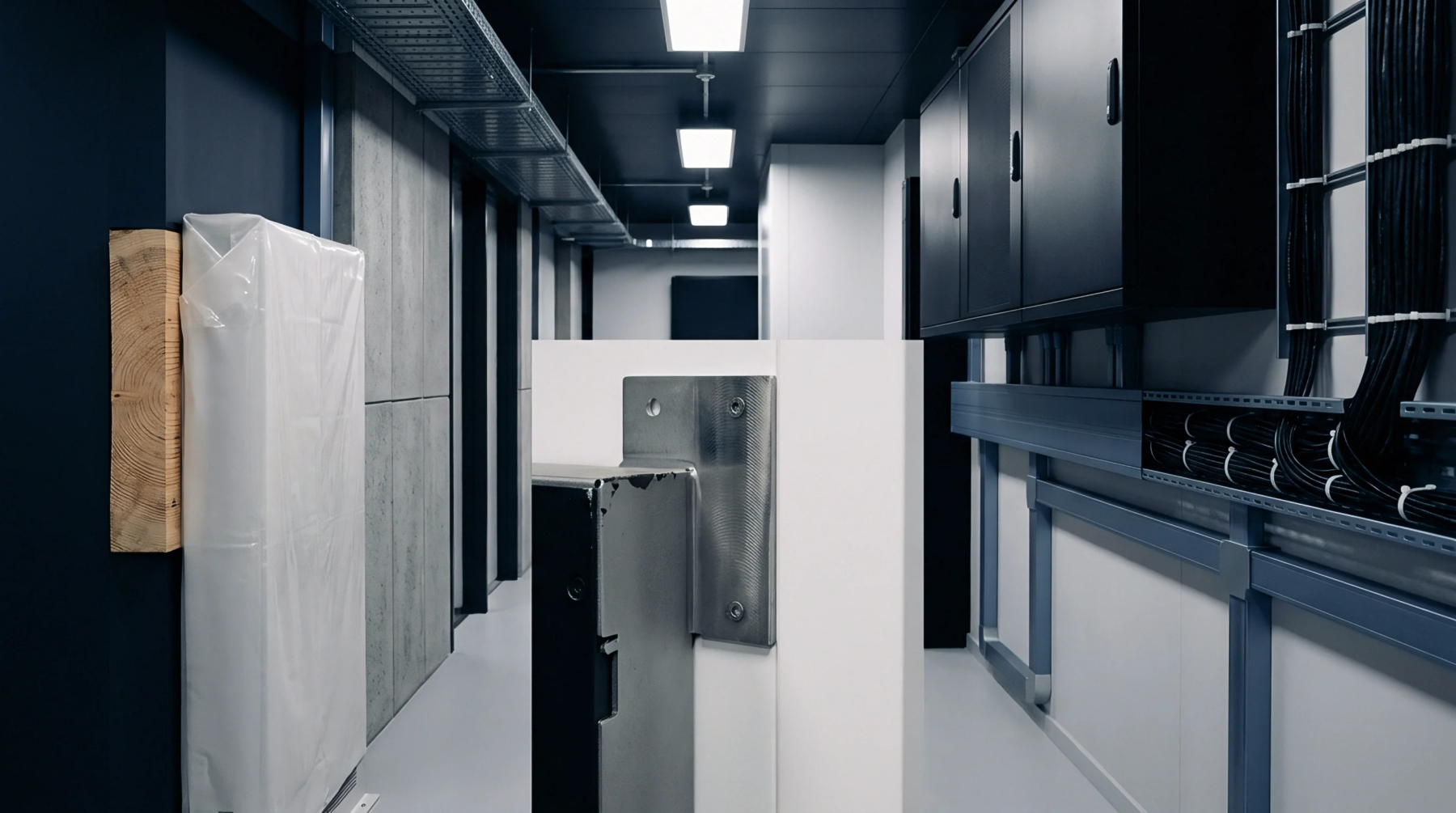
Decoupling thermal expansion from clamping deformation via kinematic flexures restores optical surface figures, elevating scanning assembly yields above ninety-eight percent.

Proactive floor slab core-drilling, envelope maintenance, and Section 18 valuation caps reduce industrial lease dilapidations settlements by up to sixty percent.

Multi cavity gate verification requires cavity-isolated statistical capability analysis and matched pressure integrals to prevent dynamic fill defects.

Enforceable throughput penalties require SCADA-backed downtime attribution and physical asset segregation to survive contract arbitration.

Statistical quality governance aligns capital tranche releases directly with verified process capability indices, eliminating premature draw risk in plant expansions.

Polymer metrology requires force-controlled restraint fixturing and thermal conditioning to isolate mold geometry from anisotropic shrinkage and sag.
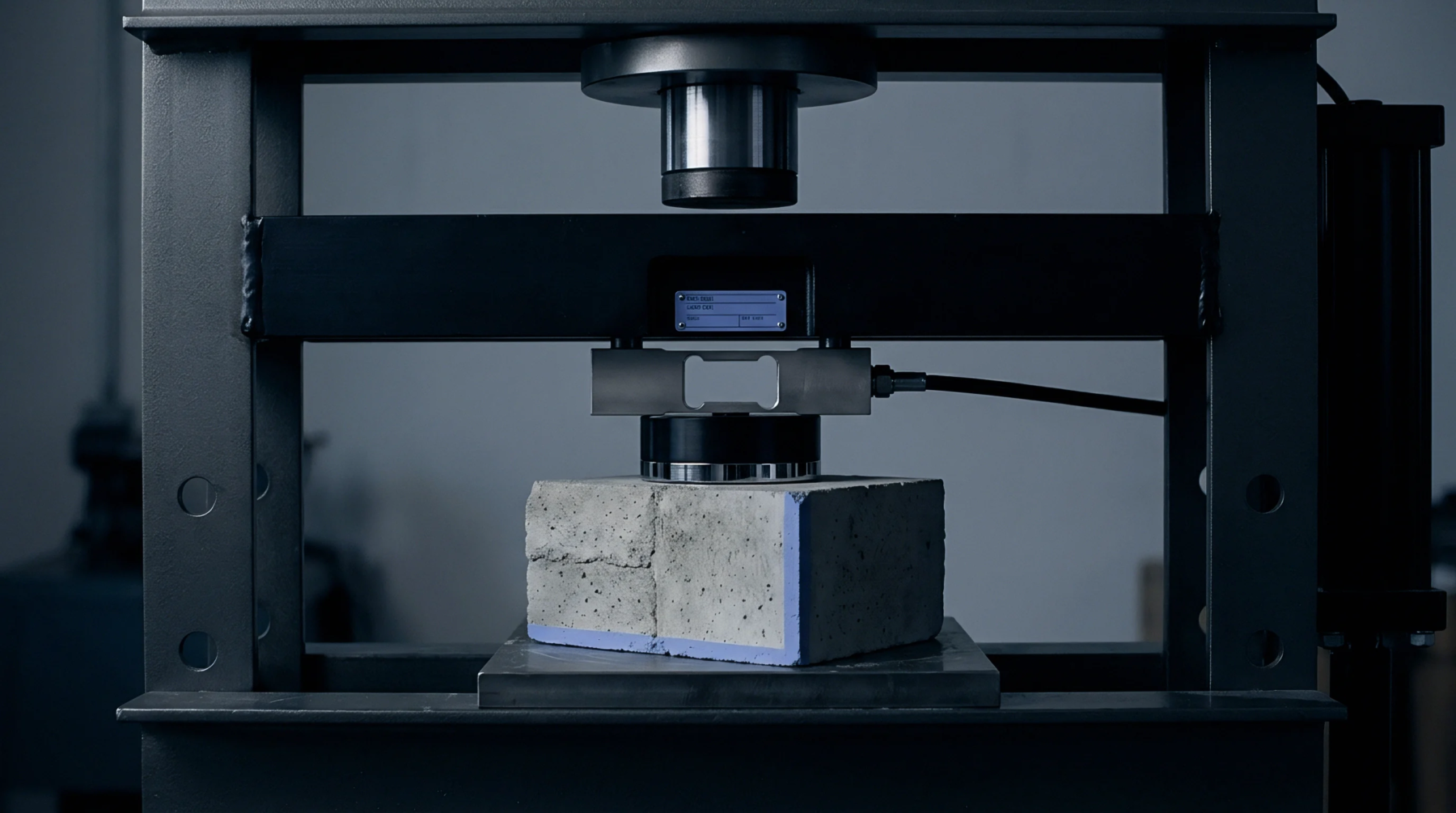
Precision CNC machine expansion requires sizing electrical and pneumatic capacity for transient peak acceleration surges rather than nominal nameplate draw.

Quantifying industrial lease exit liabilities requires balancing physical slab dilapidation costs, discounted cash buyout arithmetic, environmental soil liabilities, and ASC 842 ROU asset impairment rules.
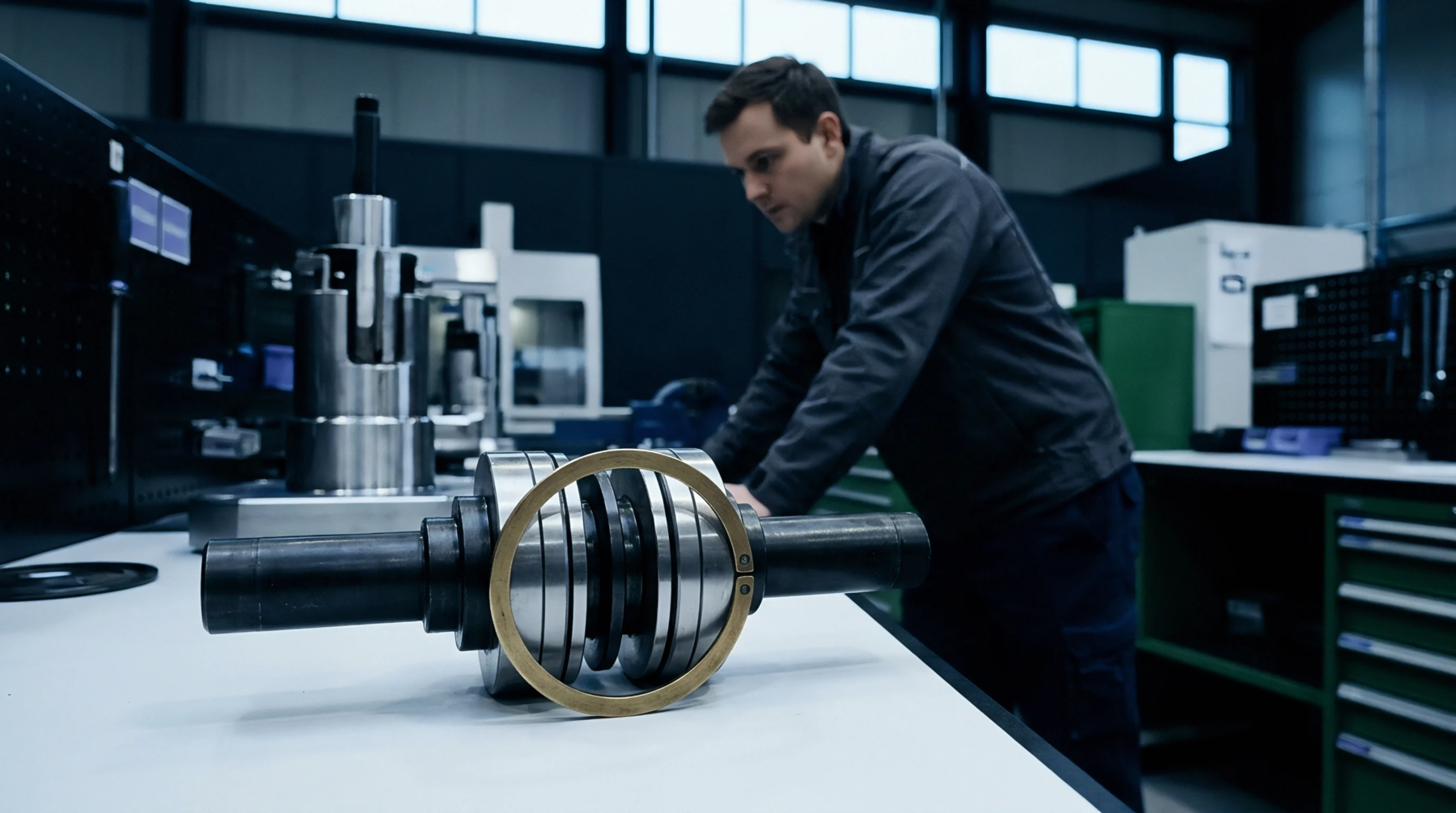
Verify tooling geometry with dimensional capability audits under steady-state continuous thermal conditions before releasing final capital purchase payments.
Expertise is a utility, not a secret. sentiention™ publishes its working knowledge as open reference: intelligence layer covering the materials it sources, the markets it enters, and the reference that serves both.