
Quantifying Industrial Dilapidations Statutory Caps through Reversionary Yield Adjustments
Reversionary yield adjustments must capture residual long-term obsolescence rather than immediate repair costs to avoid double-counting under statutory caps.
Reversionary yield adjustments must capture residual long-term obsolescence rather than immediate repair costs to avoid double-counting under statutory caps.

Statutory energy compliance supersedes terminal dilapidations claims on secondary industrial estates, shifting thermal retrofit costs onto the reversion.

Resolve high-cavitation hot runner imbalance by combining high-shear capillary validation, melt-rotation inserts, titanium thermal isolation, and cavity sensors.

Effective SPC for high-cavitation tooling requires decoupling spatial cavity imbalance from temporal machine drift rather than pooling aggregate shot data.

Rational subgrouping in multi-cavity tooling requires tracking cavities as distinct streams to avoid pooling offsets that inflate variance and distort Cpk.

Realigning delivery promises with true machine capacity halts catastrophic scrap escalation and preserves contractual solvency during production scale-up.

Lock capital in escrow and disburse tranches only when machine tools prove statistical capability under full-speed dynamic production trials.

Stage gate verification requires continuous line speed runs, validated measurement systems, and reconciled scrap data rather than static part inspections.

Unplanned facility downtime depreciation cannot be absorbed into inventory; contracts and accounting standards charge it directly to operating losses.

Take or pay capacity floor adjustments protect buyers from funding machine hours lost to supplier process instability during low yield production runs.

Dedicated line limits must derive from demonstrated bottleneck throughput and verified overall equipment effectiveness, not theoretical machine nameplate speeds.

Verify station cycle time variance via PLC sensor logs under throttled component intake before approving volume expansion capital commitments.

Diagnostic boundaries must extend past active tooling strokes to capture transfer latency, buffer saturation, and actuator drift that govern line throughput.

Dynamic inspection shift boundaries cap continuous visual scanning at ninety minutes to prevent non-linear operator vigilance collapse and catastrophic defect escapes.

Calculate true throughput headroom by subtracting availability and yield losses at the governing station before committing capital to duplicate machinery.

Statistical line stoppage gates bind conveyor safety circuits directly to real-time rolled yield algorithms, halting production before scrap compounds.

Unmanaged roll thermal growth and shift handoff setup variations drive multi-station gauge degradation, requiring gated speed ramps and locked tension profiles.
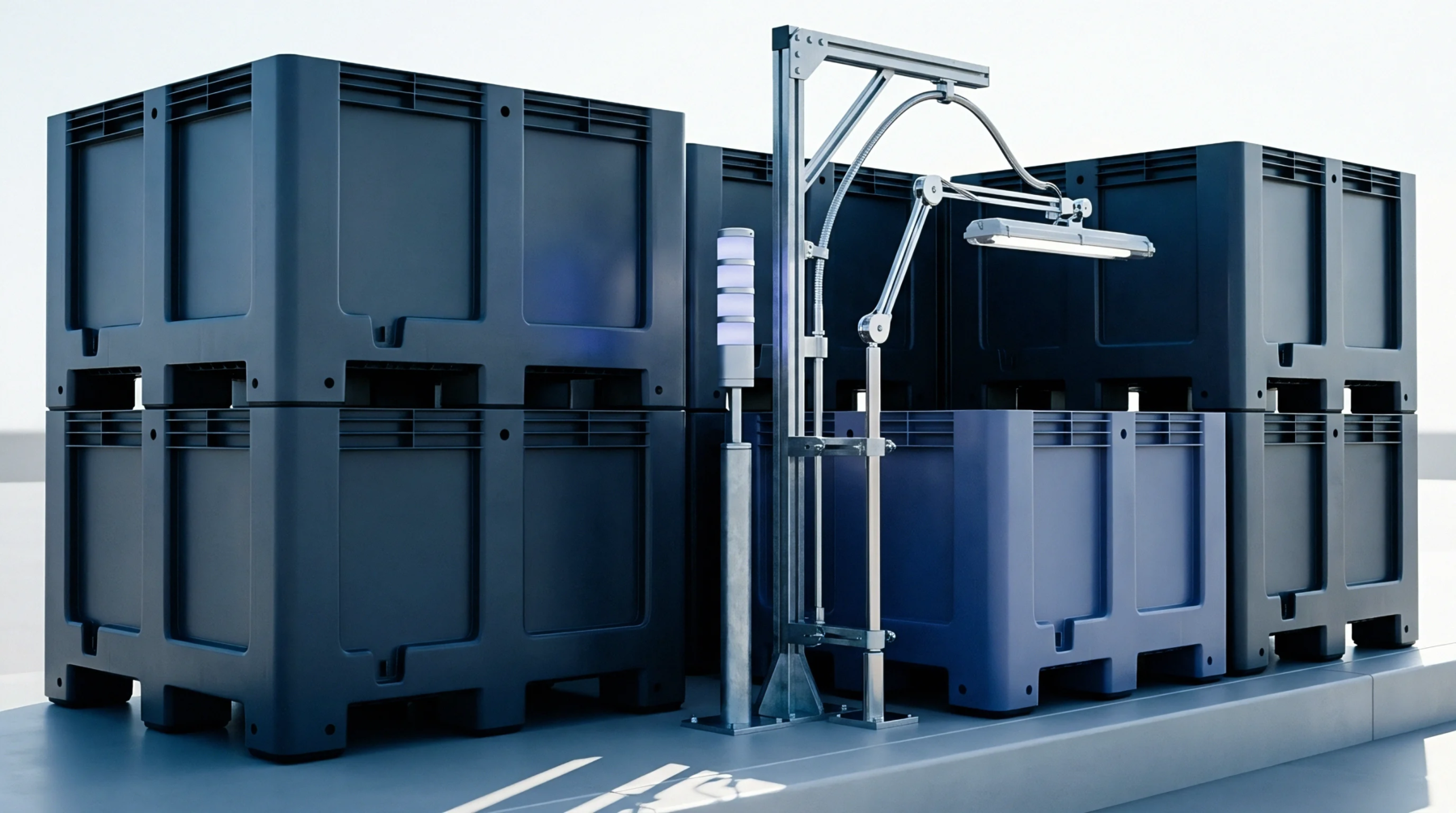
Decouple cavity wear from sensor drift using nested ANOVA, invariant Invar artifacts, and thermal logging before authorizing costly tooling steel modifications.

Statistical power calculations quantify sample size requirements to eliminate beta risk and prevent false closure of production corrective actions.

Auditing factory corrective actions demands verifying physical error-proofing, statistical capability above 1.33 Cpk, and document revision control.

Laminated planar busbars, nanocrystalline chokes, and symmetrical ground cabling eliminate high-frequency inductance and bearing common-mode currents.

Maintain three-phase voltage unbalance below one percent and current distortion below five percent to prevent spindle derating and servo positioning errors.

Determining fluid dissipation headroom requires measuring derated heat rejection under peak wet-bulb conditions and verified hydraulic distribution friction.

Machine tool drift destroys collateral value by turning funded production into scrap, requiring real time metrology gates to halt credit disbursements.

Structure equipment debt drawdowns by conditioning final holdback releases on verified Ppk and Cpk capability indices rather than vendor delivery slips.

Statistical process capability monitoring converts machine degradation into quantifiable credit risk metrics to secure industrial asset recovery values.

Allocate buffer capital to conveyor junctions with high joint failure covariance rather than uniform spacing to prevent multi-zone cascading shutdowns.

Non-stationary accumulation buffer sizing requires discrete event simulation with thinning algorithms to model surge flow and prevent line blockage.

Baseline conveyor accumulation capacity equals the product of workstation cycle differential and run duration converted into physical conveyor pitch length.
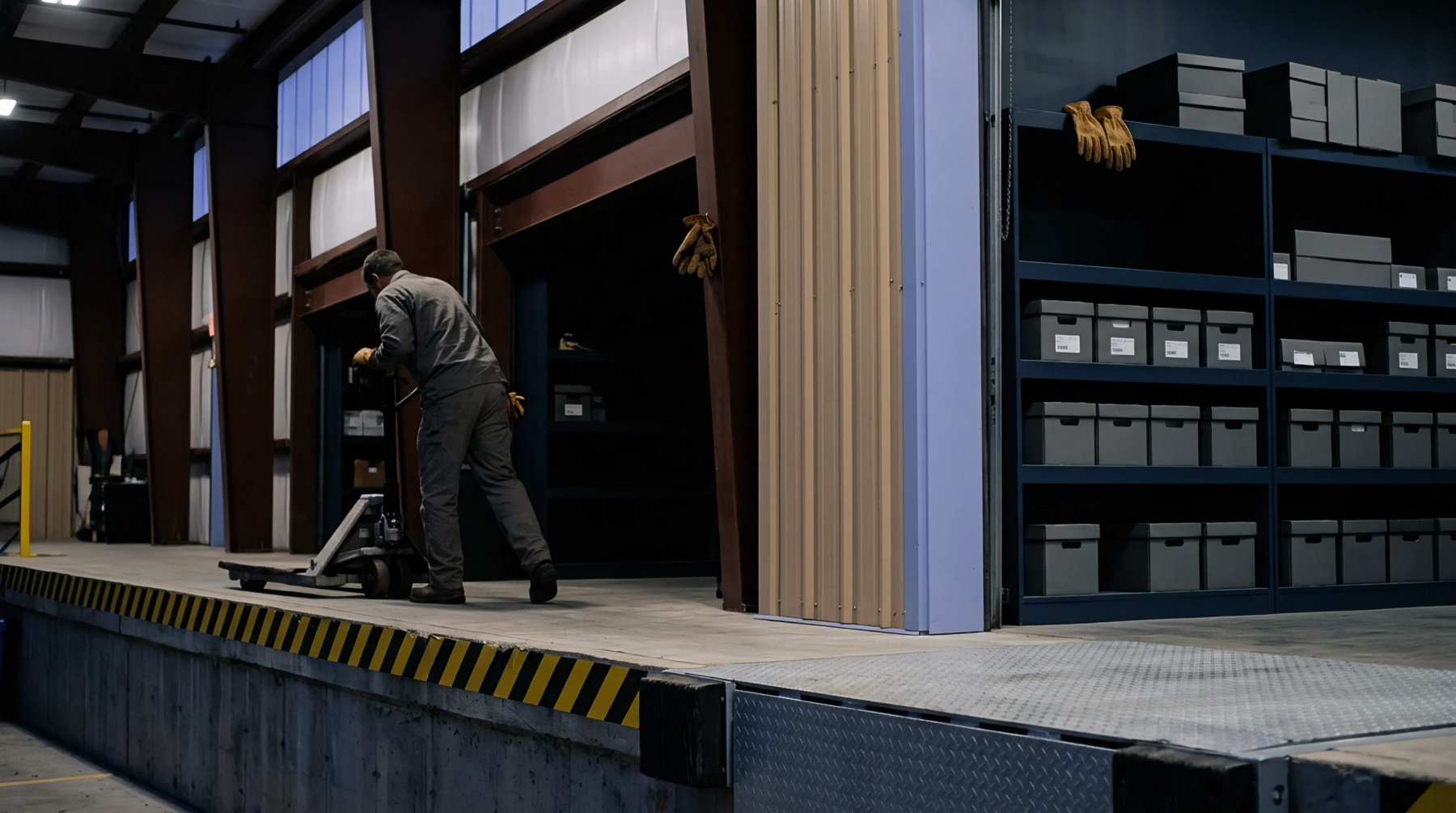
Transient inertial accelerations induce localized joint micro-slip and fretting wear, degrading kinematic accuracy long before gross mechanical failure occurs.
Expertise is a utility, not a secret. sentiention™ publishes its working knowledge as open reference: intelligence layer covering the materials it sources, the markets it enters, and the reference that serves both.