
Dimensional Inspection Setup for Thermal Equilibrium in Composite Tooling
Dimensional inspection of composite tooling requires full thermal soak stabilization and surface temperature logging before capturing nominal spatial coordinates.
Dimensional inspection of composite tooling requires full thermal soak stabilization and surface temperature logging before capturing nominal spatial coordinates.

Calibrating cone beam edge phase contrast fringes requires numerical phase retrieval to convert diffraction peaks into traceable multi-cavity wall metrology.

Contractual delay allocation requires segregating civil execution from process yield milestones through unbundled liability caps and daily liquidated damages.
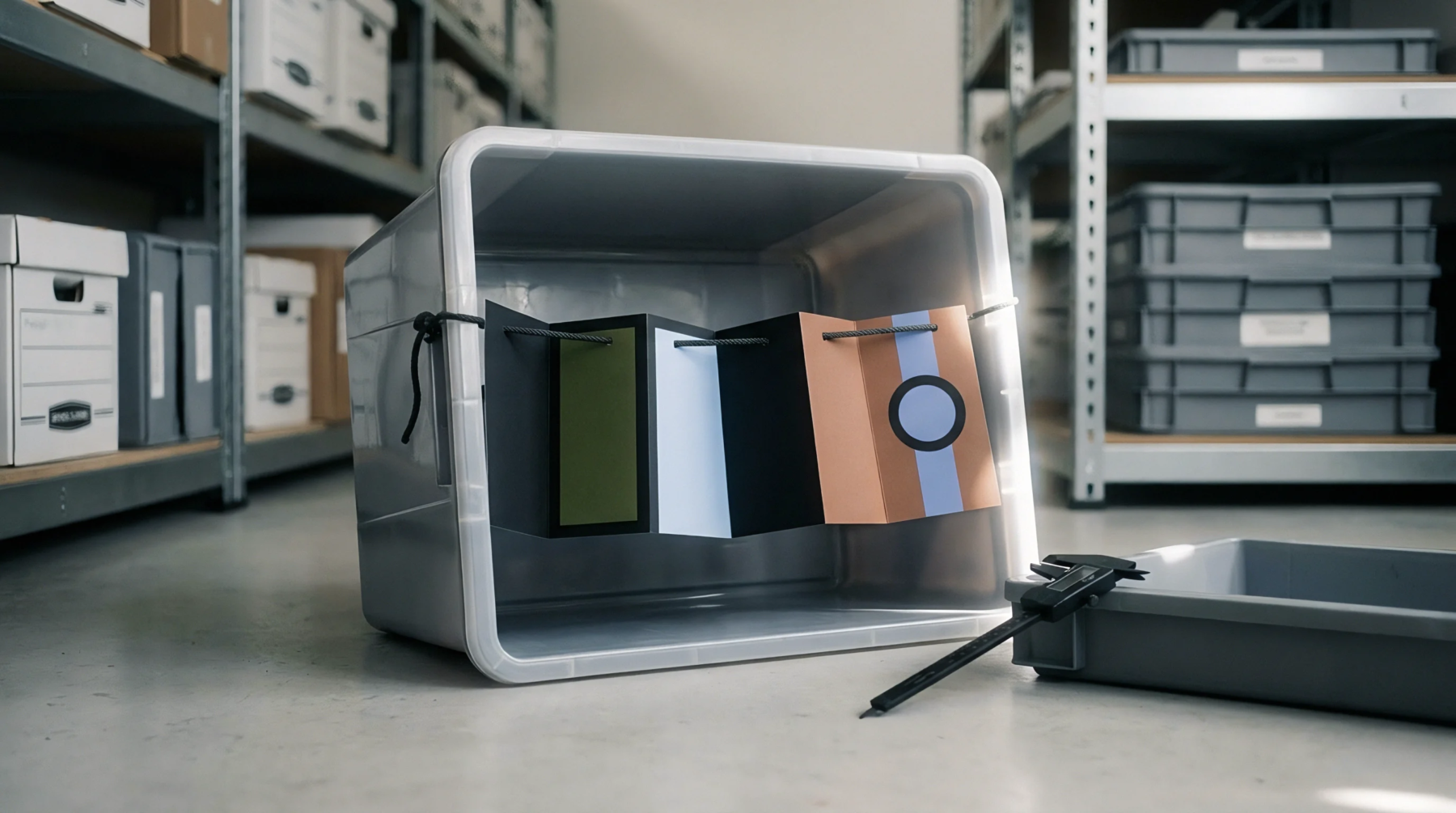
Post-molding equilibrium protocols define exact thermal and moisture stabilization states to ensure precision polymer parts meet dimensional tolerances.

Cross-border polymer injection molding quality relies on harmonized melt rheology, verified dimensional tolerance standards, and accredited multi-regional test dossiers.
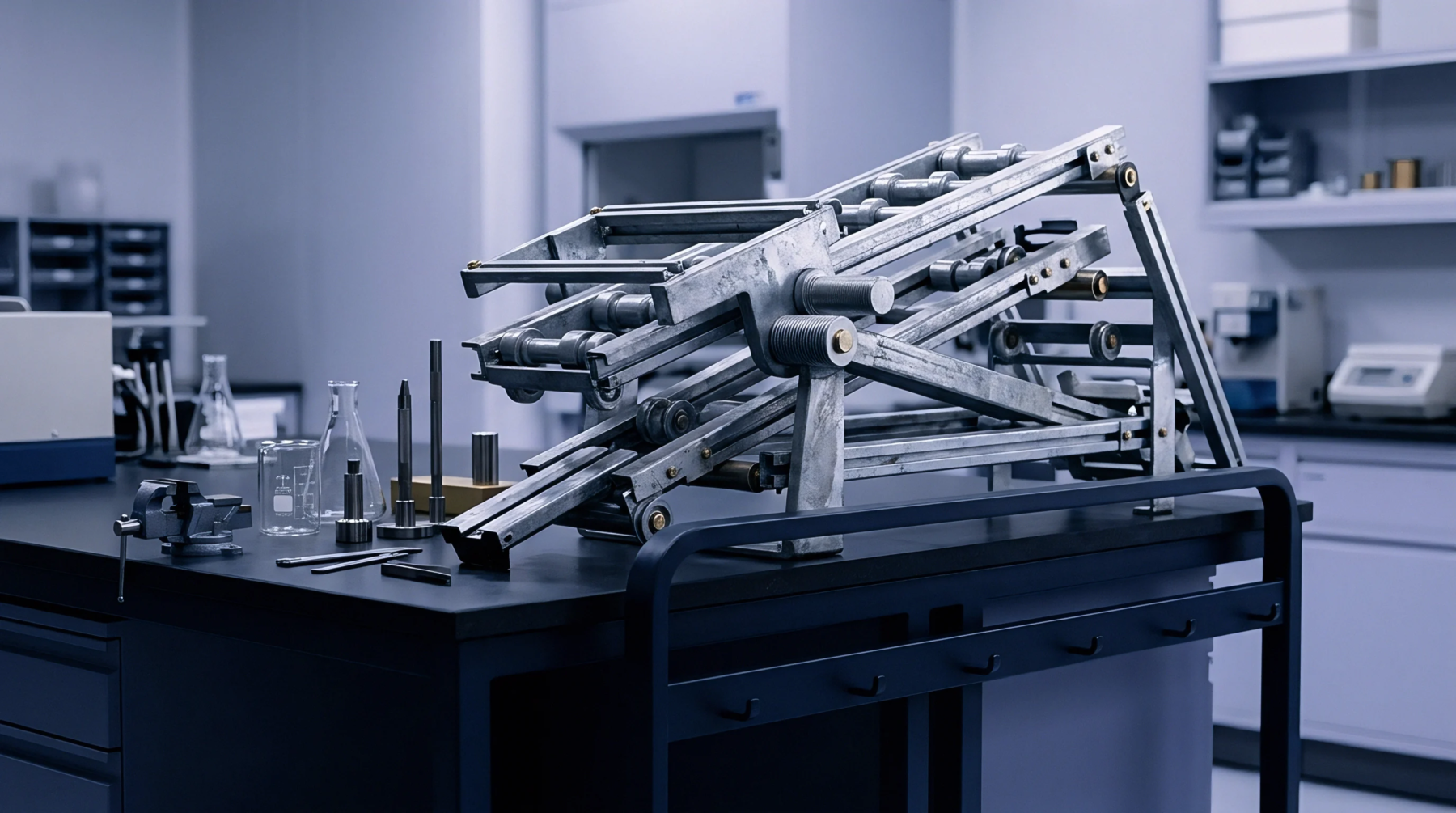
Predicting cure exotherms and volumetric shrinkage gradients prevents matrix cracking, low core conversion, and dimensional distortion in thick thermoset tools.

DiBenedetto modeling governs vitrification prediction, preventing unreacted resin pockets and internal residual stress during structural composite cure cycles.

Active in-die shut height compensation maintains bottom dead center repeatability within two microns, eliminating thermal scrap and doubling tooling life.
Continuous sensor telemetry and sub-millisecond hardware timestamping turn dynamic environmental drift into verified, auditable dimensional measurement corrections.
Precision batch manufacturing queue staging controls govern intermediate WIP dwell times, thermal stability, and dispatch gates to preserve micron-level tolerances.

Dynamic axle loads cause localized elastic slab deflection and subgrade pumping that static laser surveys miss, demanding mobile dynamic profilometry before automation deployment.

Virtual unclamping maps fixture-constrained inspection scans to free-state polymer geometry through anisotropic stiffness tensors and structural springback calculations.

Kinematic restraint fixturing isolates molded thermoplastic part geometry by arresting six spatial degrees of freedom without introducing bending strain.

Kinematic mount selection for optical scanning assemblies isolates substrates from thermal and dynamic distortions while maintaining sub-microradian repeatability.

Unhedged sub-slab vapor liabilities require sizing long-term operational escrows using verified differential pressure metrics and discounted lifecycle O&M.

Pre-contract execution deconstruction of micro stoppage interdependencies prevents net yield loss by tying machine acceptance to high-speed telemetry logs.

Multi tranche line expansion contracts protect capital when milestone payouts depend on dynamic bottleneck verification and rate dependent scrap ceilings.
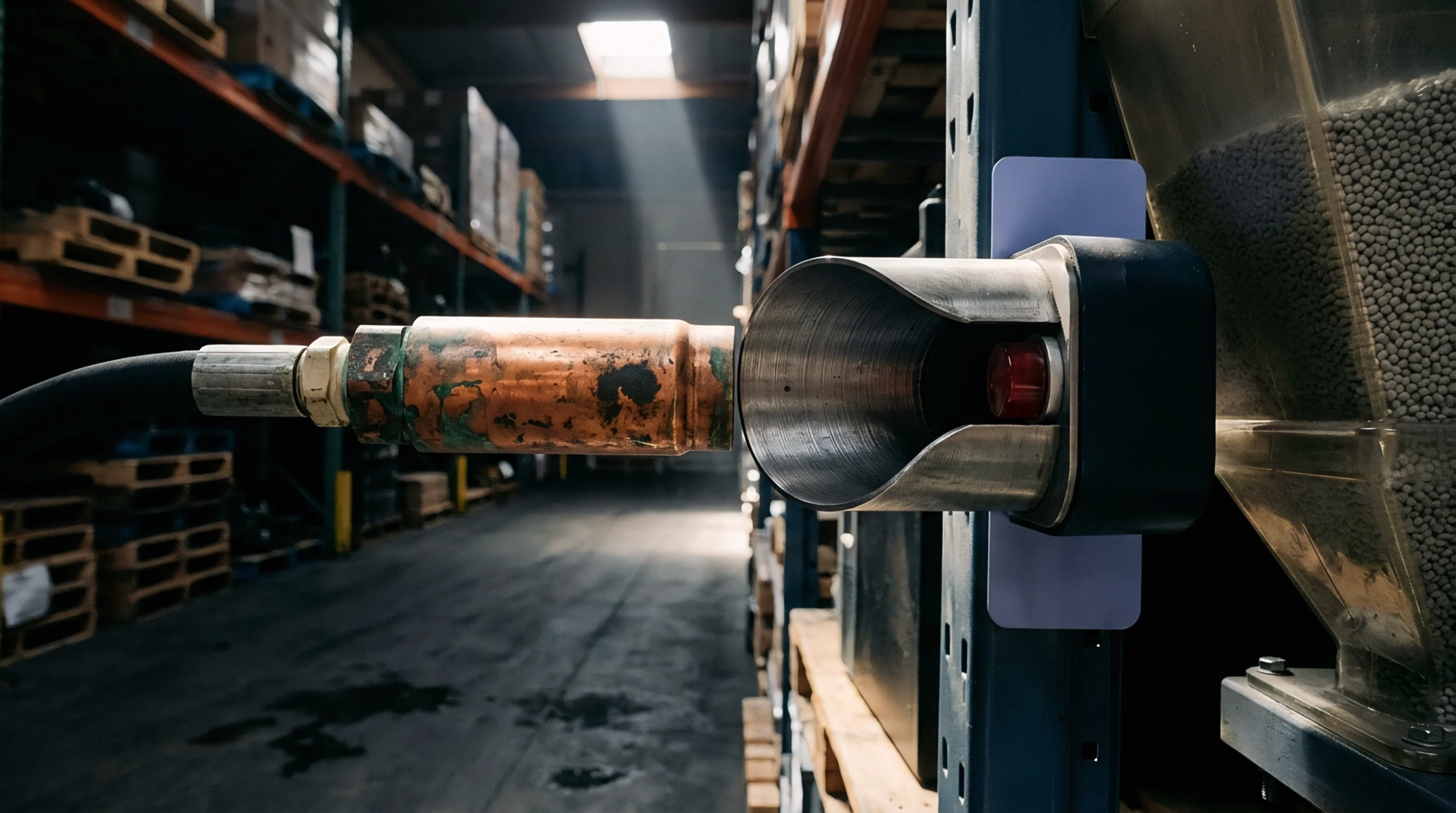
Quantifying long-term slab creep and curling drift before handover prevents high-bay crane rail misalignment and costly automated shuttle extraction failures.
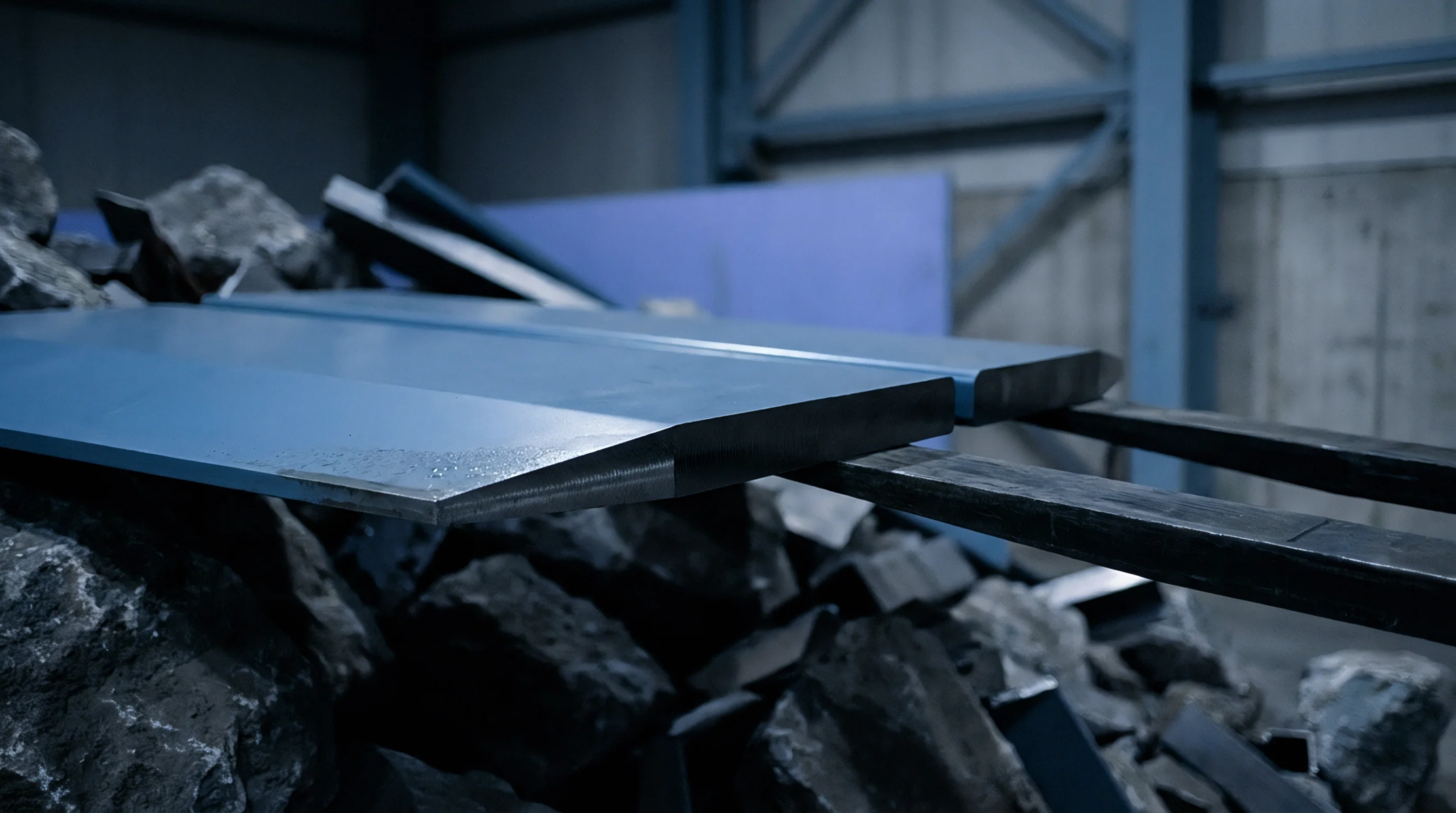
Automate multi-tenant scrap allocation by binding real-time feeder telemetry and high-speed vision audit metrology to an immutable cryptographic registry.

Dynamic priority multipliers convert tenant commercial urgency and physical changeover friction into real-time dispatch scores on shared continuous lines.

Unmodeled ambient drift corrupts joint Bayesian likelihood arbitrations by converting systemic environmental noise into false vendor non-conformance claims.
Escrow capital releases bound to Bayesian credible interval lower limits prevent premature tranche disbursements during volatile commissioning ramp phases.

Real-time cavity pressure integration dynamically balances multi-cavity fill imbalances by adjusting individual valve gates to eliminate over-packing and scrap.

Multi cavity mold gate shear rate evaluation requires Rabinowitsch-Mooney corrected velocity gradients matched against real micro-metrology tool dimensions.

Securitizing utility headroom in shared manufacturing plants requires binding peak-draw limits, sub-metered demarcation, and enforceable operational step-in rights.

Resin-specific polynomial linearization suppresses computed tomography cupping artifacts in dense optical polymers while preserving inline cycle times.

Verifying dynamic peak auxiliary utility headroom before capital commitment prevents localized pressure collapses, thermal tripping, and machining cell expansion stalls.
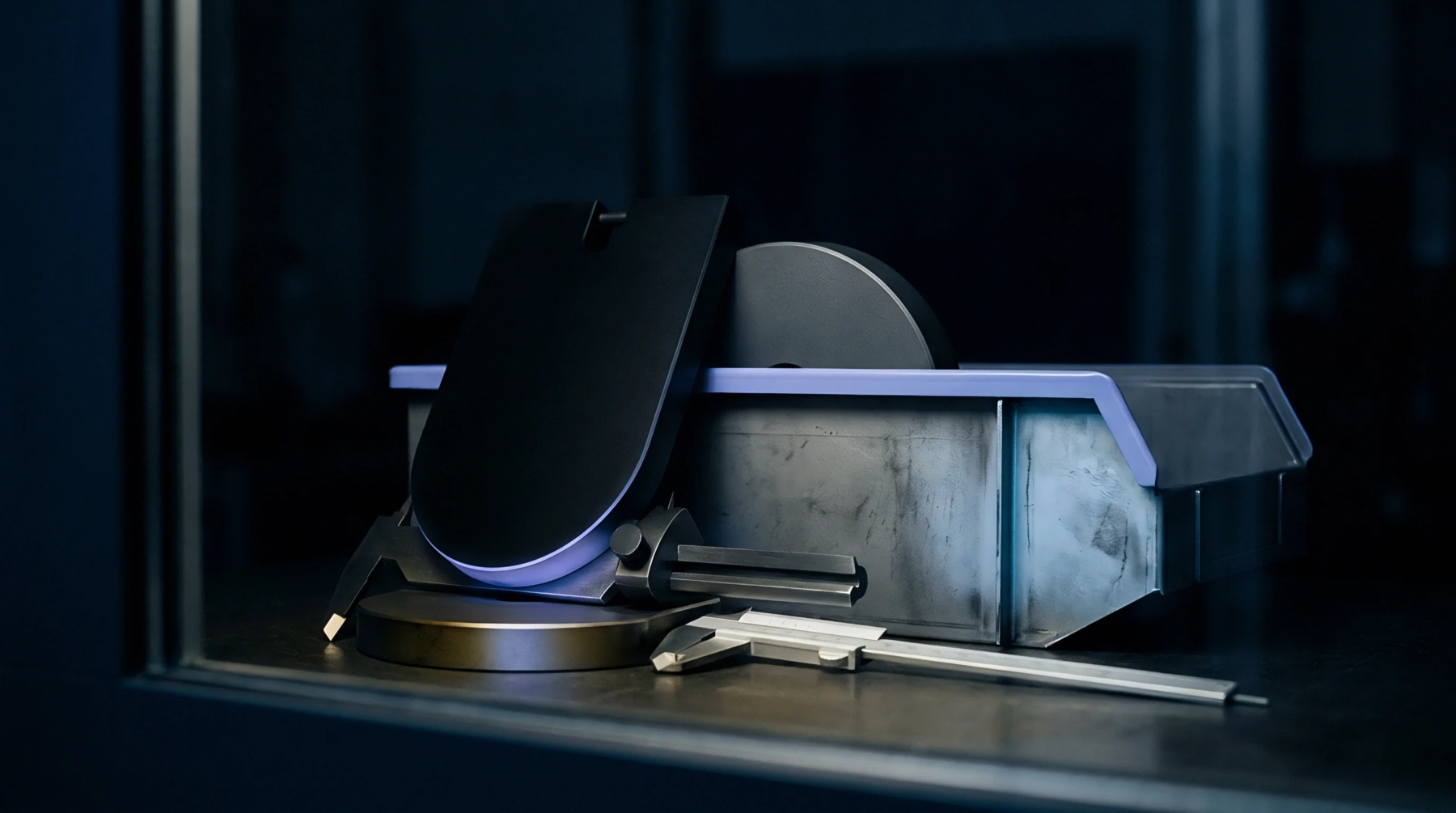
Optical free state scanning paired with virtual clamping eliminates physical fixture costs while revealing true residual stress warp in nonrigid plastics.

Interferometric wavefront verification under thermal and mechanical load requires kinematic isolation, active environmental control, and STOP decoupling.
Section 18 caps industrial dilapidations at actual reversionary value loss, stopping landlords from recovering repair costs that exceed open market impact.
Expertise is a utility, not a secret. sentiention™ publishes its working knowledge as open reference: intelligence layer covering the materials it sources, the markets it enters, and the reference that serves both.