
The Station That Governs a Doubling Is Rarely the Slowest Machine
Doubling manufacturing output rarely hinges on primary machinery speed; hidden batch steps, quality holds, and material handling govern true capacity limits.
Doubling manufacturing output rarely hinges on primary machinery speed; hidden batch steps, quality holds, and material handling govern true capacity limits.

Demonstrated quarterly output derived from primary controller logs provides the only reliable baseline for commercial capacity commitments and capital deployment.

Supplier capacity headroom verification requires measuring multi-shift demonstrated throughput under peak load, auditing tool life and sub-tier reserves, and enforcing utilization limits before approving commercial volume ramps.

Precision molding operations must control cure kinetics through in-mold sensing to achieve optimal cycle times and zero dimensional defects.

Auditing raw controller telemetry during baseline inspection uncovers hidden micro-stoppages, clock drift, and suppressed fault flags before sign-off.

Effective statistical process control on multi axis milling lines relies on multivariate charts, dynamic probe updates, and continuous kinematic reference checks.

Sub-tier machining headroom fails when unrecorded changeovers and scrap inflate availability; verify actual spindle logs and enforce capacity escrow clawbacks.

In-mold dielectric and ultrasonic sensors eliminate conservative press hold timers by triggering part ejection precisely at polymer vitrification.

Product readiness requires a Cpk exceeding 1.67 across three continuous shifts with zero manual operator intervention before production capital is released.

Go conditions in board papers must enforce audited site throughput metrics and locked capital drawdown tranches rather than unadjusted vendor claims.
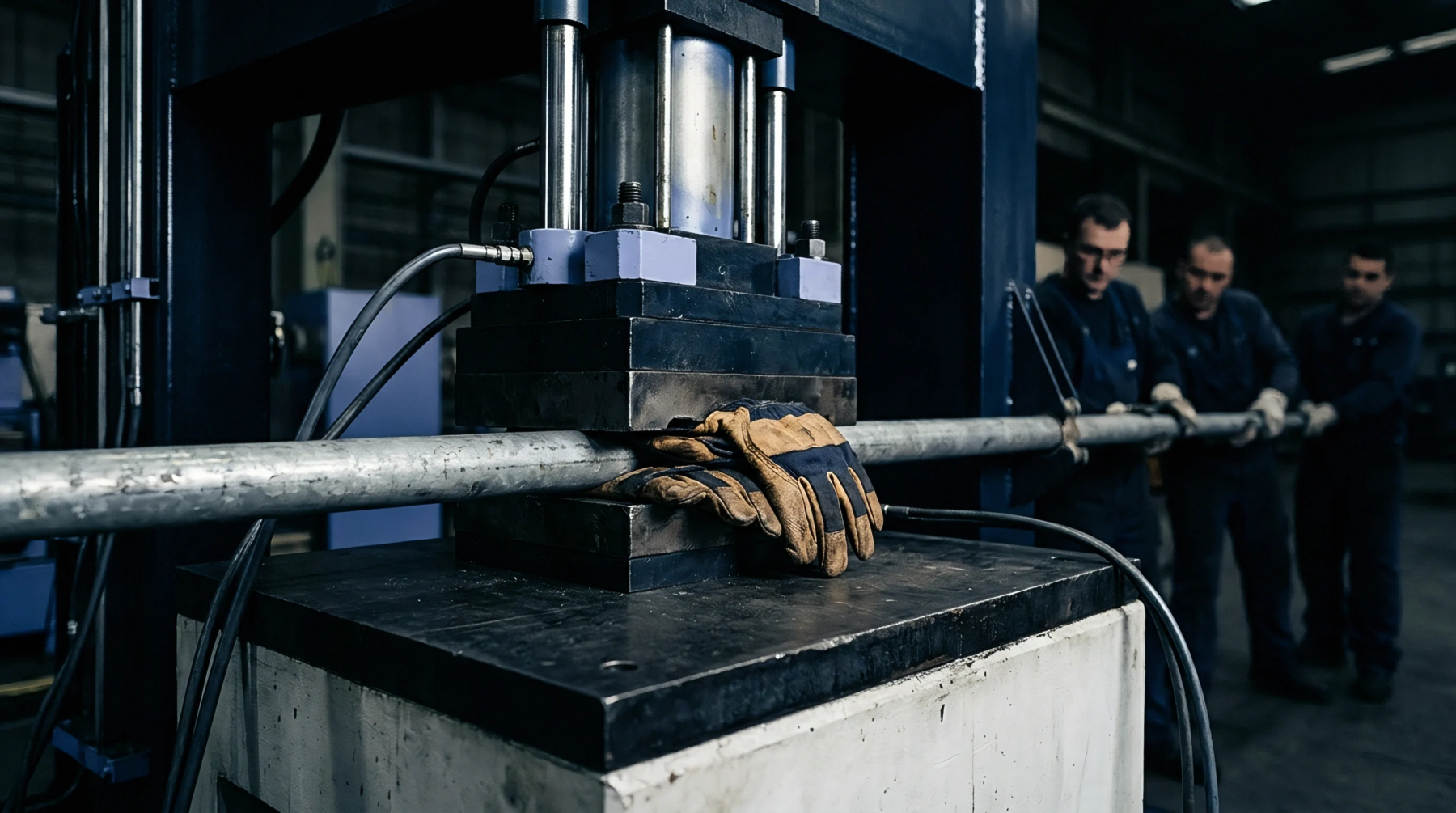
Capital lock occurs when real estate, custom tooling, and permanent headcount are committed before product volume validates the expenditure.

Auxiliary debottlenecking yields higher output per spent dollar than purchasing redundant primary tools by eliminating micro-stoppages and thermal drift.

Calorimetric resin cure kinetics demand dynamic baseline subtraction and diffusion corrections to avoid thermal runaway in scaled composite molds.

Dimensional liability shifts to buyers after defined post-cure stabilization hold periods when molders verify press-side conformance using aligned metrology protocols.

Verifying electrical, pneumatic, and thermal utility capacity before machine installation prevents facility bottleneck outages and costly expansion delays.

Stage gate governance for cross border capital scale up protects returns by locking currency hedges, enforcing FAT SAT verification, and tying tranche releases to physical site readiness.

Standardizing micro-molded part metrology requires matching sensor physics to resin translucency and establishing guardbanded decision rules across labs.

Reconcile multi-currency procurement records against functional currency baselines before commercial operating dates to defend local tax asset capitalization.

Quantifying micro-CT uncertainty in translucent polymers requires local gradient edge extraction and ISO 10360-8 phantom calibration to guardband batch tolerance gates.

Cross-border capital equipment allocation requires auditing local utility drops and land-side logistics before releasing machinery shipments overseas.

Establishing baseline polymer metrology requires controlling thermal soak kinetics, rigid GD&T fixturing, and accounting for post-mold crystallization drift.

Reading corrective action logs identifies open technical liabilities, unverified fixes, and capacity bleed before authorizing production volume expansion.

Sustained volume pressure and overtime degrade first pass yield by driving operator motor fatigue, machine thermal drift, and deferred maintenance routines.

Pricing a six month delay against early commitment balances unabsorbed overhead drag against bridge production costs and liquidated damage penalties.

A readiness assessment isolates immediate line throughput boundaries while deliberately excluding unmodelled human variance and macro supply chain shocks.
Melt temperature drift over 3 degrees Celsius shifts shear viscosity past structural tolerances, requiring active thermal balance before line acceleration.

Dedicated facility capacity contracts protect off-takers by tying financial penalties to machine-level telemetry rather than host plant downtime logs.

High rate slot die coating requires matching slurry thixotropic recovery timelines with line speed to prevent dynamic air entrainment and binder migration.

Moving physical products from pilot lines to scale manufacturing requires eliminating human operator compensating loops and proving deterministic process capability.

Calculating production bottlenecks before signing equipment orders requires measuring true station sub-cycle times and intake variance against floor logs.
Expertise is a utility, not a secret. sentiention™ publishes its working knowledge as open reference: intelligence layer covering the materials it sources, the markets it enters, and the reference that serves both.