
Transient Thermal Boundary Layer Development in Dynamic Tooling Systems
Dynamic boundary layer control requires matching tool thermal diffusivity to cycle frequency to restrict heat penetration within two millimeters of the cavity wall.
Dynamic boundary layer control requires matching tool thermal diffusivity to cycle frequency to restrict heat penetration within two millimeters of the cavity wall.

Viscoelastic boundary stability under rapid throughput acceleration relies on modeling dynamic slip kinetics and controlling transient stress relaxation times.

Thermal boundary layer growth governs active cavity flow clearance, pressure drop, and gate seal timing, setting the fundamental physical limit on cycle time.

Inline optical screening guardbanding absorbs measurement uncertainty into narrowed specification limits to guarantee target consumer risk levels.

Tactile metrology of elastomers requires sub-0.02 N trigger forces and zero-load extrapolation to prevent viscoelastic creep from corrupting part dimensions.

Hygroscopic swelling of polymer ocean freight creates container binding and material degradation liabilities resolved through strict packaging pre-certifications.

High temperature thermoset cure kinetics governs gelation timing, exotherm runaway risks, and press pressure application windows in structural composite molding.

Isothermal cure kinetic models require residual enthalpy correction and thermal lag adjustments to prevent premature vitrification and exothermic runaway during mold scale-up.

Subassembly changeover costs must sum direct technician labor, idle station depreciation, downstream line starvation risks, and post-swap calibration scrap.

Establishing baseline slab metrology and continuous tilt monitoring separates structural subgrade settlement from tenant forklift wheel damage during lease disputes.

Managing shared line priorities requires balancing station work content variance and commercial order margins to prevent bottleneck starvation.

Unmodeled viscoelastic relaxation in inverse unclamping algorithms creates geometric shape errors that invalidate free state composite metrology.

Standard repair covenants transfer ongoing building maintenance to tenants while legal limits cap end-of-lease dilapidation liabilities at actual market value loss.
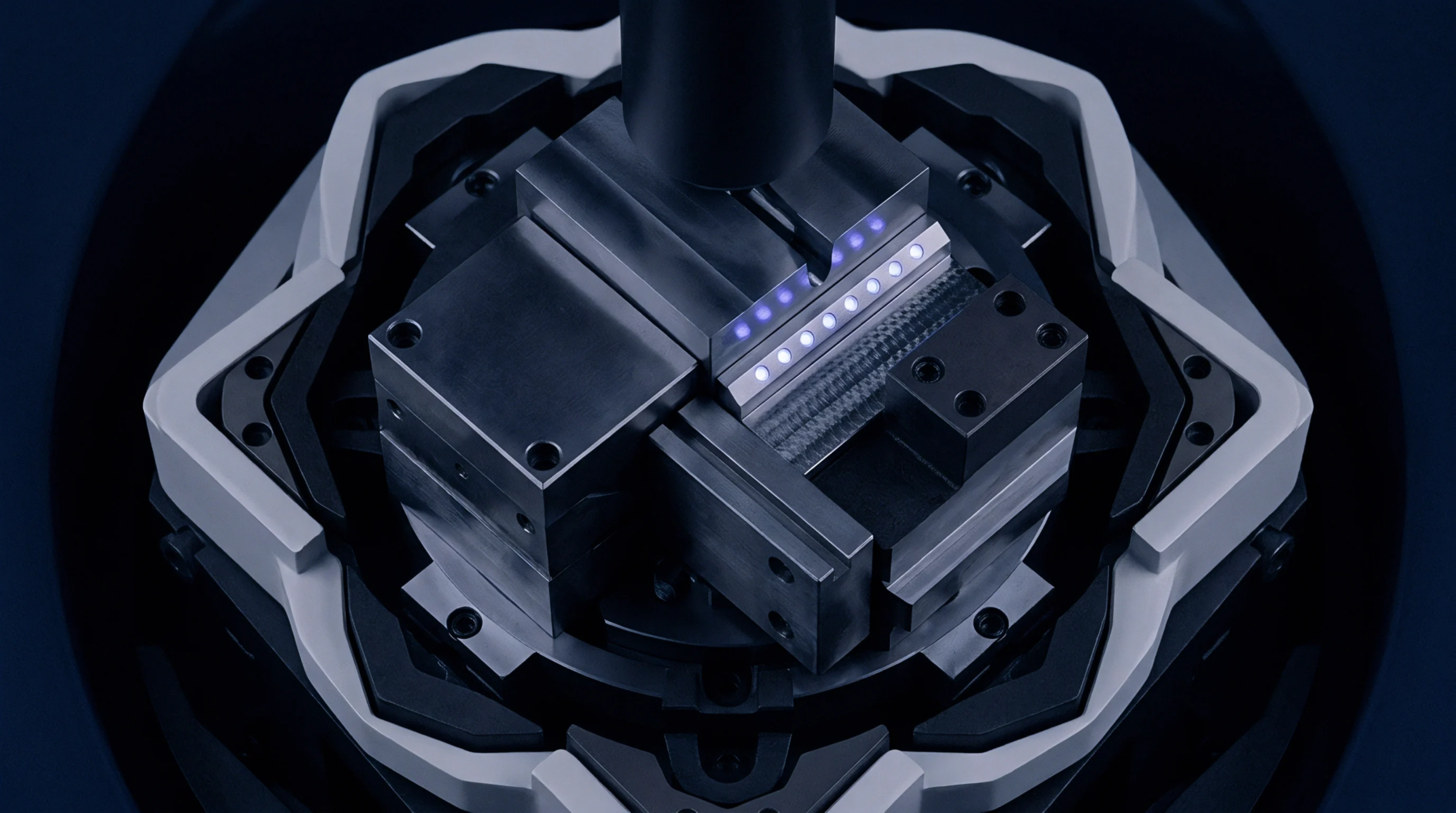
Dynamic air drops and harmonic voltage distortion from multi-axis CNC expansion cause spindle seal failure and surface errors without local accumulation and filters.

Tool steel selection and scientific qualification protocols dictate mold life, cycle efficiency, and dimensional capability under continuous production.

High-speed battery slurry coatability depends on controlling high-shear viscosity inside the slot die and thixotropic yield recovery during web drying transit.

Determining subcontracted production limits demands shift-level cycle time analysis, handover scrap accounting, and verified machine constraint metrics.

Truncating mid-shift thermal stabilization cycles drops 24-hour precision machining yield by nine percent due to unchecked spindle grow.

Triage quality logs by immediate containment risk and throughput impact to clear shift backlogs and isolate critical assembly line defects.

Secondary fluid filtration deficits drive micro stoppages that degrade precision line throughput and accumulate significant unabsorbed fixed machine overhead.

Process capability mechanics during engineering scale-up require separating short-term within-subgroup variation from long-term drift to prevent early yield overestimation.

Resilient high coincidence utilities require low-reactance sandwich busways and looped pneumatic headers backed by point-of-use receivers at high-draw cells.

Statistical isolation separates thermal drift from intrinsic capability by regressing multi-sensor temperatures to reveal true mechanical repeatability.

Non-linear viscosity calibration requires multi-point shear rheometry and Cross model fitting to prevent extreme die sizing and molding pressure errors.

Thin wall injection velocity must balance viscous dissipation heat spikes against gate clearance geometry to prevent local polymer backbone degradation.

Optimizing first pass yield on high velocity lines requires real-time closed-loop metrology, tight station capability limits, and strict poka-yoke gates.

Subsurface optical scatter and thermal expansion dictate measurement uncertainty when laser scanning semi-crystalline polymer tooling under ambient drift.

Restrained state datum protocols eliminate false rejections by measuring compliant polymer inserts under specified fixture clamping torque and thermal conditions.

Active coolant stabilization and pre-heated die sub-plates prevent thermal pitch drift from destroying progressive stamping tool clearances.
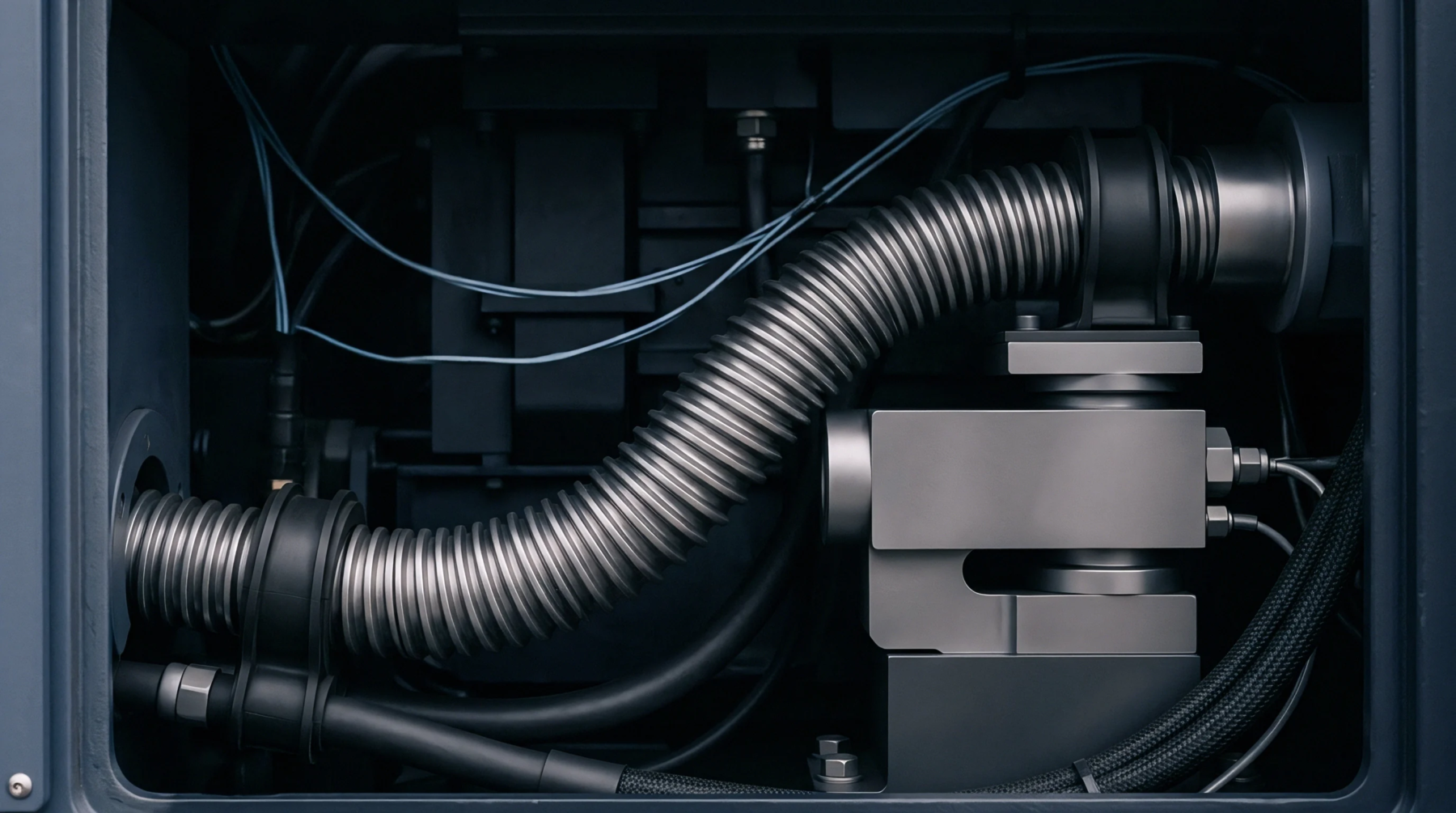
Unrecorded shadow capacity in precision subcontracting introduces dimensional drift that breaches contractual quality warranties and triggers strict back charges.
Expertise is a utility, not a secret. sentiention™ publishes its working knowledge as open reference: intelligence layer covering the materials it sources, the markets it enters, and the reference that serves both.