
Establishing Dedicated Line Capacity Limits in Outsourced Manufacturing Agreements
Dedicated line limits must derive from demonstrated bottleneck throughput and verified overall equipment effectiveness, not theoretical machine nameplate speeds.
Dedicated line limits must derive from demonstrated bottleneck throughput and verified overall equipment effectiveness, not theoretical machine nameplate speeds.

Diagnostic boundaries must extend past active tooling strokes to capture transfer latency, buffer saturation, and actuator drift that govern line throughput.
Calculate true throughput headroom by subtracting availability and yield losses at the governing station before committing capital to duplicate machinery.

Non-stationary accumulation buffer sizing requires discrete event simulation with thinning algorithms to model surge flow and prevent line blockage.
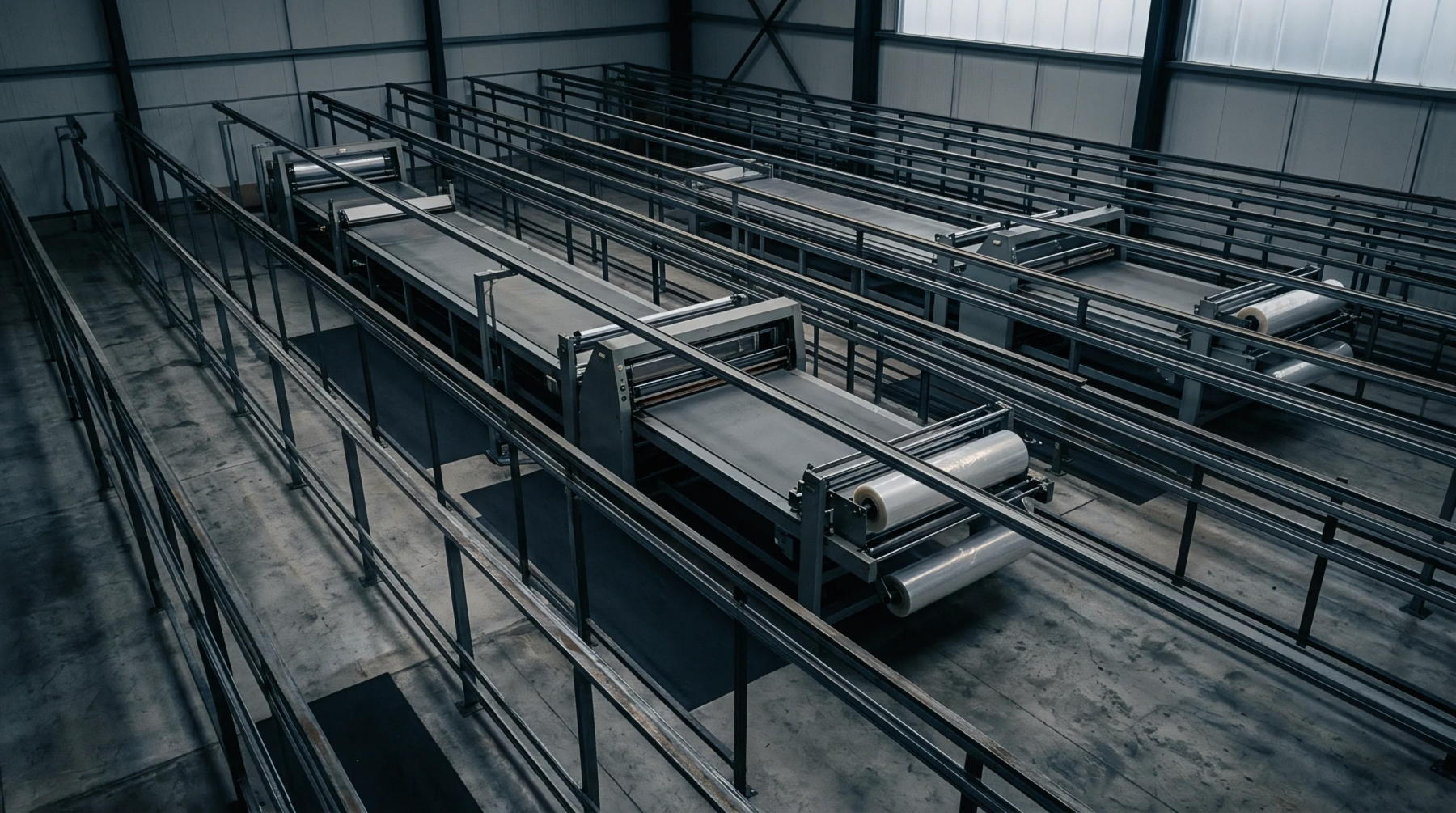
Enforce rigorous stage gate verification from design freeze through site acceptance to protect capital equipment investments and maintain throughput targets.

Reconciling equipment speed warranties requires decoupling isolated machine cycle capability from dynamic upstream arrival variance via queue-saturated sensor logs.

Evaluating shop floor queue records against rated equipment throughput reveals real bottleneck dynamics, preventing premature capital expenditure on unready production lines.

Phased capital expenditure commitments unlock funding only when production lines pass continuous 72-hour operational throughput and yield triggers

Capital stage gates must incorporate unabsorbed fixed overhead variances as explicit cash drag metrics to prevent unready lines from eroding plant margins.

Fixed overhead absorption in assembly hinges on establishing bottleneck station throughput thresholds against step cost additions across active shift schedules.

Enforceable liquidated damages on shared manufacturing assets require precise hourly overhead absorption rates tied directly to verified machine telemetry.

Auditing contract manufacturer equipment effectiveness across all calendar hours exposes hidden downtime and fixes real production limits before capital expansion.

Baseline equipment capacity in high mix electronics manufacturing depends on derating IPC placement ratings by changeover downtime and thermal reflow limits.
Expertise is a utility, not a secret. sentiention™ publishes its working knowledge as open reference: intelligence layer covering the materials it sources, the markets it enters, and the reference that serves both.