
Automotive Tooling Asset Recovery Basics and Amortization Principles
Automotive tooling recovery mandates verified bailment contracts, strict piece-price amortization tracking, and site audits before executing physical transfers.
Automotive tooling recovery mandates verified bailment contracts, strict piece-price amortization tracking, and site audits before executing physical transfers.

Reconciling equipment speed warranties requires decoupling isolated machine cycle capability from dynamic upstream arrival variance via queue-saturated sensor logs.

Derating OEM equipment capacity using queue variance analytics replaces deterministic nameplate ratings with variance-bounded operational capacity envelopes.

Evaluating shop floor queue records against rated equipment throughput reveals real bottleneck dynamics, preventing premature capital expenditure on unready production lines.

Inline boundary diagnostic sensors prevent resin degradation by detecting shear induced thermal runaway micro spikes before extrudate damage occurs.

High-velocity die flow modeling demands coupled non-isothermal viscosity functions to prevent thermal degradation and melt fracture from shear heating.

Non-isothermal melt rheology decouples drag and pressure flow through shear heating, requiring thermal mixing to stabilize viscosity and output dimensions.

Structure milestone tranches to track physical expenditure curves, ensuring cash receipts match cumulative outlays during demand shocks.

Phased capital expenditure commitments unlock funding only when production lines pass continuous 72-hour operational throughput and yield triggers

Flexible machinery stage gates require tying capital release tranches to verified line headroom and contractually bound order book coverage.

Dynamic capacity allocation and NDT bottleneck management prevent contract liquidated damages by balancing priority queues against physical inspection limits.

Fabricators must balance overtime surcharges against delay penalties by identifying bay constraints where extra shifts cause efficiency loss and rework.

Marginal unit cost in bridge fabrication equals direct plate, consumable, labor, and testing costs plus step-fixed capacity adjustments.

Two-part take-or-pay tariffs insulate continuous process plants from overhead drag by separating fixed facility costs from variable volumetric charges.

Capital stage gates must incorporate unabsorbed fixed overhead variances as explicit cash drag metrics to prevent unready lines from eroding plant margins.

Fixed overhead absorption in assembly hinges on establishing bottleneck station throughput thresholds against step cost additions across active shift schedules.
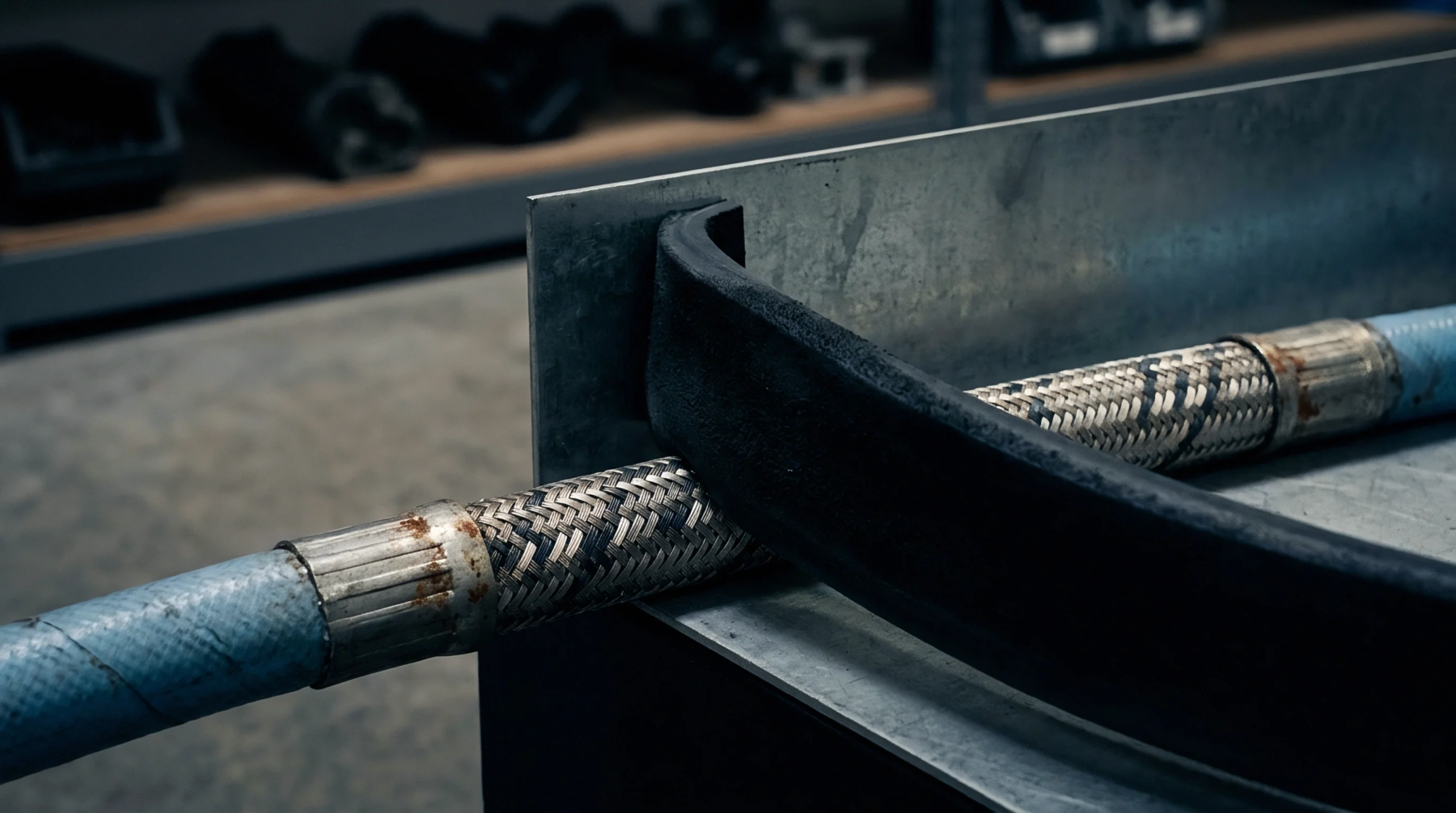
Stage-gated cross-border allocations require mathematical origin verification and tariff shift proof before releasing production equipment capital tranches.

Optimizing multi plant tooling deployments under shifting local content rules requires balancing regional value content formulas, replication costs, and bailment security.

Capital reallocations under shifting regional trade agreements demand rigorous regional value content auditing and equipment stage gates to prevent margin loss.

Post-commissioning currency devaluation triggers IAS 36 testing where hard-currency replacement floors bound cash flow write-downs on unhedged domestic revenue lines.
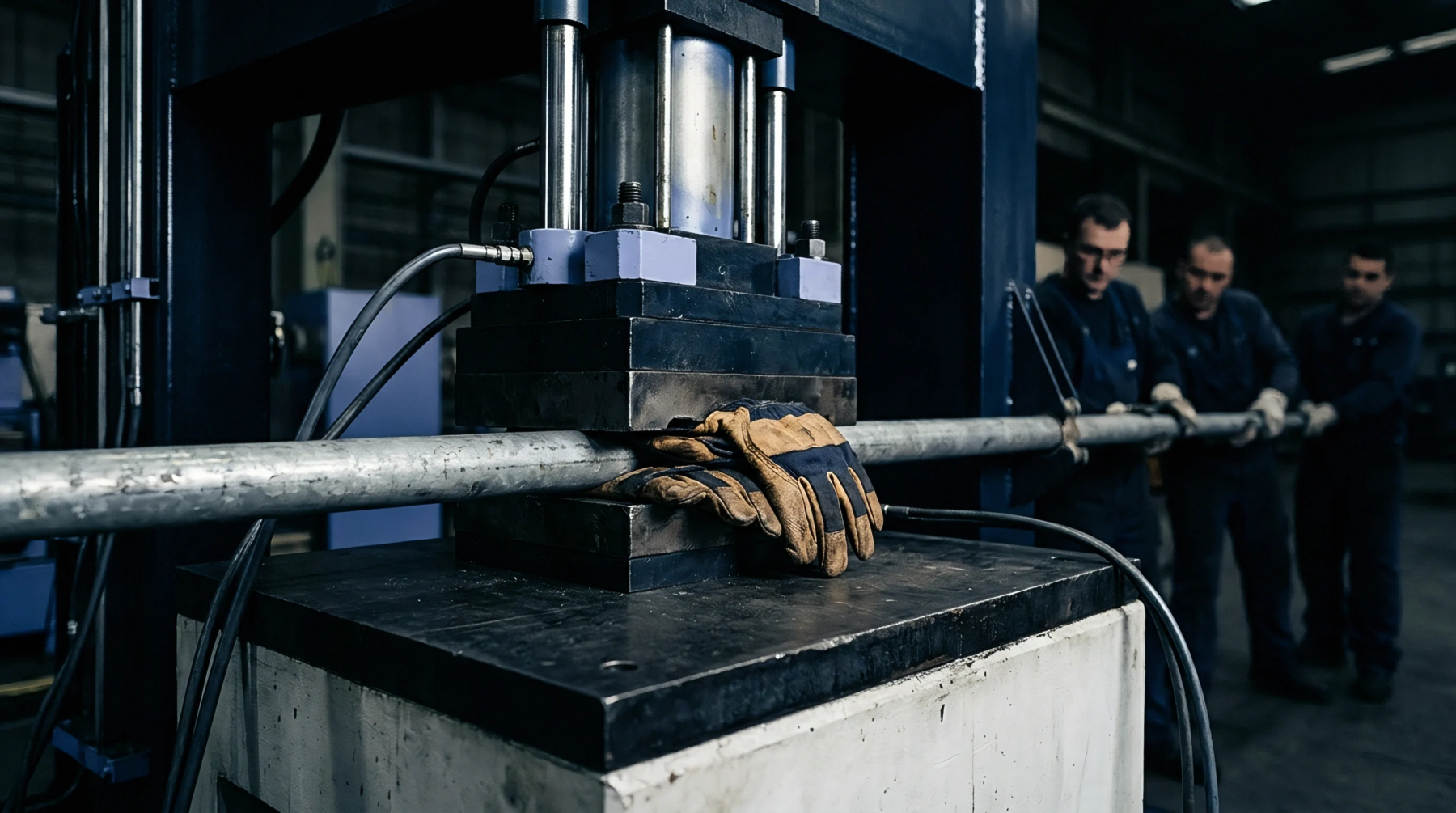
IAS 23 limits foreign exchange loss capitalization on foreign debt to the excess of hypothetical functional currency interest over actual foreign currency interest.

IAS 21 freezes equipment prepayments at historic spot rates while revaluing unpaid monetary payables through profit and loss at closing rates.

Uncertainty budgets for sub-millimeter radii across multi-cavity tooling demand rigorous decomposition of thermal creep, probe tip bias, and cavity variation.
Expertise is a utility, not a secret. sentiention™ publishes its working knowledge as open reference: intelligence layer covering the materials it sources, the markets it enters, and the reference that serves both.