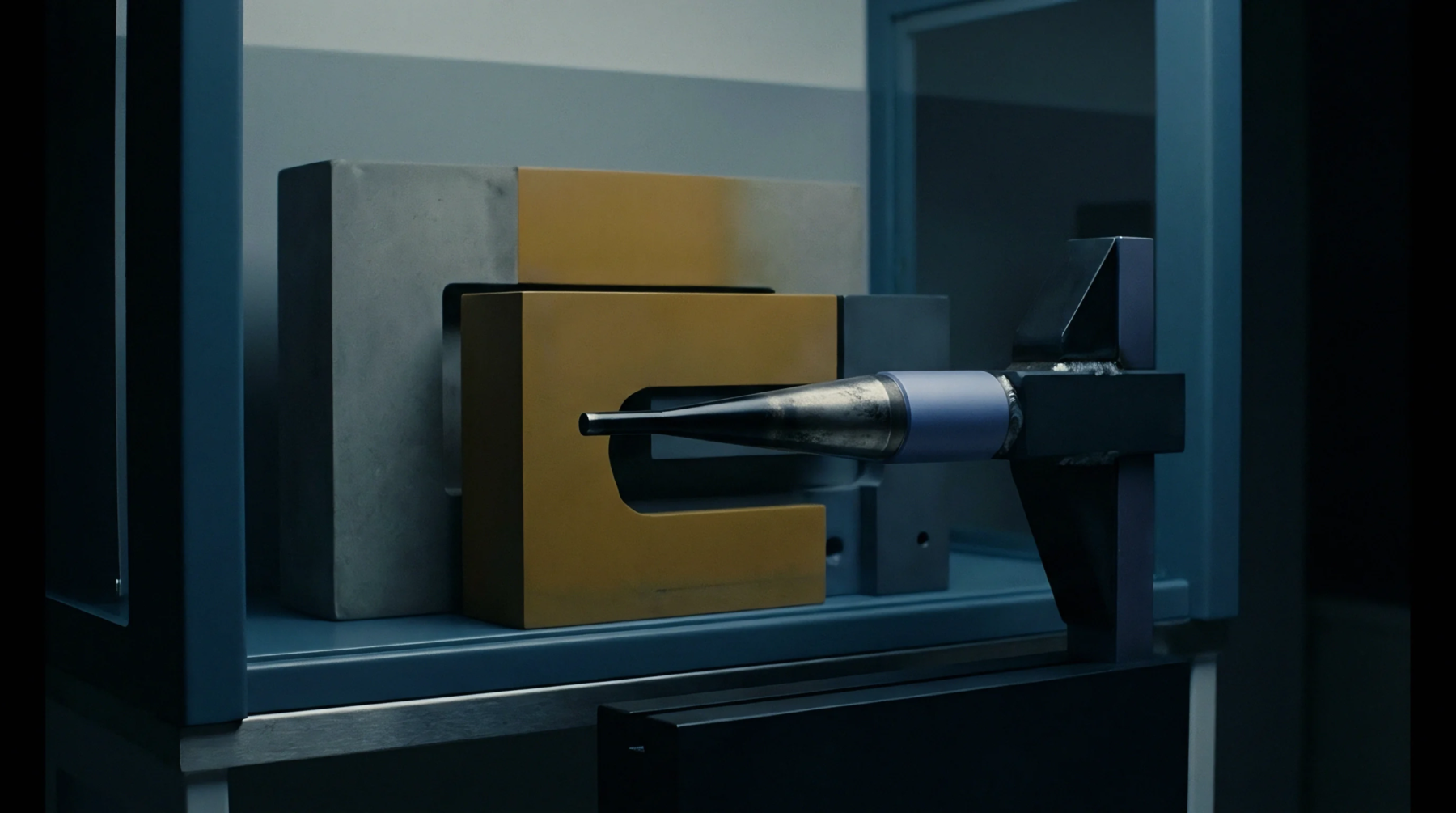
Evaluating Tooling Acceptance Criteria during Overseas Factory Acceptance Testing
Rigorous overseas tooling acceptance demands steady-state thermal runs, single-cavity Cpk validation, complete disassembly wear audits, and escrow-backed signoff.
Rigorous overseas tooling acceptance demands steady-state thermal runs, single-cavity Cpk validation, complete disassembly wear audits, and escrow-backed signoff.

Process capability mechanics during engineering scale-up require separating short-term within-subgroup variation from long-term drift to prevent early yield overestimation.
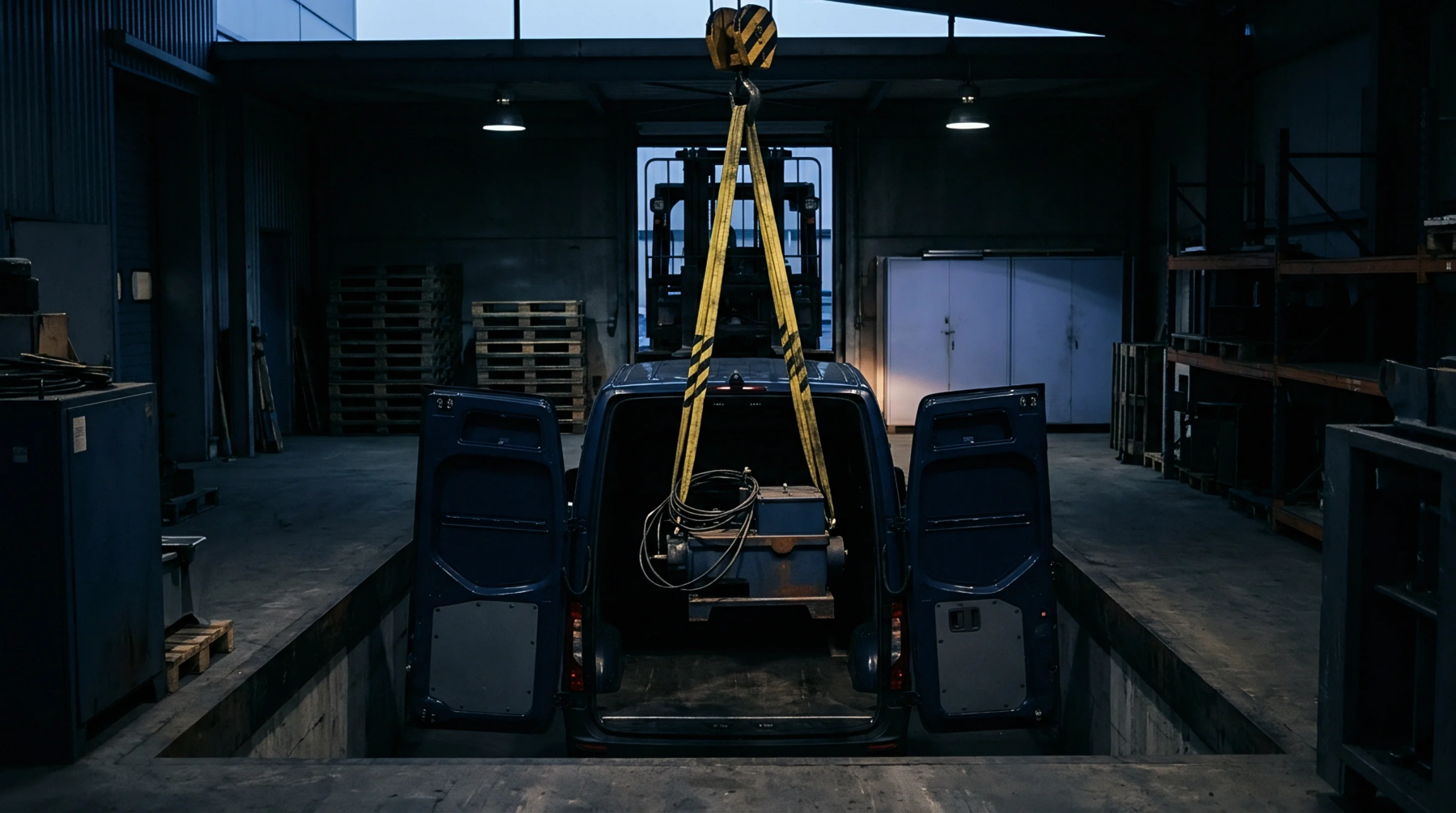
Statistical process control milestones gate equipment debt releases by proving machine stability and capability before capital drawdowns occur.

Thermal non-equilibrium corrupts process capability indices by shifting process means deterministically, requiring dynamic thermal compensation or full soak relaxation before quality sign-off.
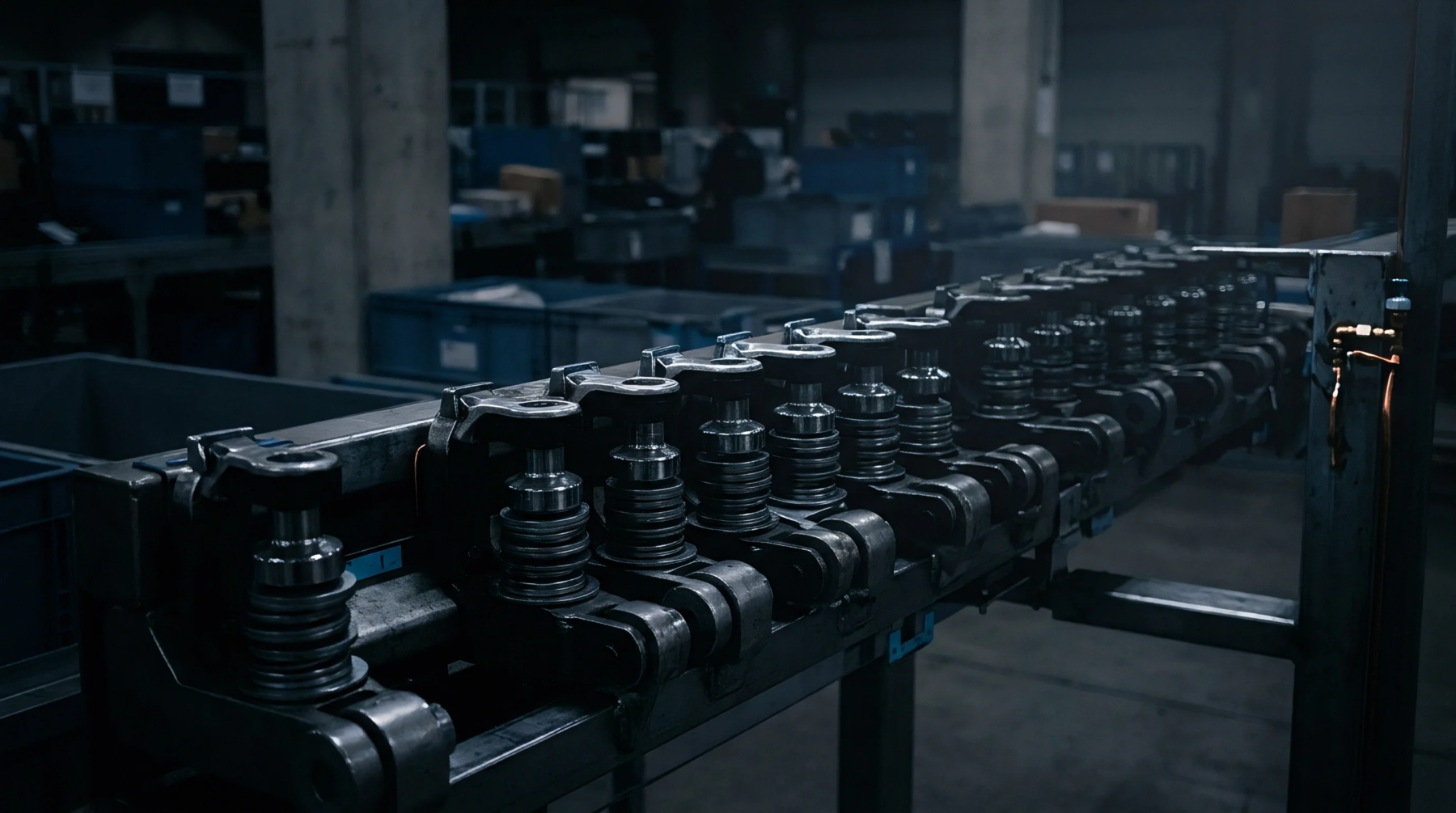
Uncompensated thermal non-equilibrium inflates baseline manufacturing process variance, distorting capability indices until thermal steady state is reached.

Dynamic variothermal tooling control balances shear-thinning fluid flow and transient boundary heat transfer to eliminate surface defects and stress concentration.

Statistical quality governance aligns capital tranche releases directly with verified process capability indices, eliminating premature draw risk in plant expansions.

Re-routing Quality reporting from Production to the Board removes operational override authority, protecting compliance integrity and reducing warranty liabilities.
Expertise is a utility, not a secret. sentiention™ publishes its working knowledge as open reference: intelligence layer covering the materials it sources, the markets it enters, and the reference that serves both.