Establishing Stage Gate Controls for Cross Border Factory Expansions
Cross-border factory expansions fail when capital moves before constraints clear; stage gates bind cash releases directly to verified site data.

Latch
Site selection teams moving into foreign jurisdictions often get caught out by regional promotional brochures. These dossiers promise ample power and water, but rarely mention seasonal voltage sags, fluctuating municipal water pressure, or slab load limits. Long before board approval for equipment purchases, civil assessments need to verify foundation load capacities, vibration damping, and feeder reliability on the ground.
Real verification starts down in the soil strata and up at the sub-station transformer headroom.
Slabs meant for heavy stamping presses, precision CNC equipment, or automated storage units need exact compressive strength ratings and real vibration isolation. Putting a 500-ton hydraulic press on a standard warehouse slab rated for 30 kilonewtons per square meter is a recipe for structural failure ~ harmonic vibrations will degrade that concrete over five years of multi-shift runs. Fixing a slab after handover costs three times what it would have built right, and delays handover by as much as eight months.
Parent-company structural engineers need to audit soil core samples, water table depths, and seismic risks before anyone signs a lease or takes title.
Establishing baseline utility thresholds across industrial corridors requires careful scrutiny, as power grid infrastructure hides just as many failure modes during early site reviews. A utility agreement promising 10 megawatts means nothing if the dedicated feeder drops more than 5 percent voltage during peak summer demand. Semiconductor packaging, chemical synthesis, and battery cell lines will drop yield or trip emergency shutdowns if grid voltage sags for longer than two line cycles.
Teams need to record at least thirty days of power quality telemetry ~ including total harmonic distortion and transient surge profiles ~ before clearing site selection gates.

Site Foundation Infrastructure and Structural Verification
Designing machine foundations across international sites requires balancing vendor equipment specs with local building codes. Slab thickness, rebar density, and sub-grade compaction determine where heavy machinery can actually sit. Geotechnical surveys have to check soil limits down to bedrock or stable sub-soil so the building doesn’t settle unevenly.
If differential settlement shifts more than two millimeters across a twenty-meter machine bed, precision machine tools will suffer twisted frames, misaligned spindles, and early bearing failure.
Isolation joints under the slab keep dynamic machine forces from shaking nearby precision tools like coordinate measuring machines. Skip those joints, and mechanical vibration travels straight through continuous concrete, ruining inspection readings thirty meters away. Trenching routes for hydraulic lines, electrical conduits, and cooling fluid also need to be drawn into early civil plans.
Sawing into a finished slab later cuts straight through structural rebar.
Utility Interconnect Capacity and Grid Stability Baselines
Interconnect reliability directly drives overall equipment effectiveness once production goes live. Bringing in dual-feeder power lines from separate sub-stations cuts the risk of unannounced blackouts. Transformers also need enough headroom to absorb the peak starting currents of heavy motor drives without tripping upstream breakers.
Meanwhile, on-site power conditioning ~ like active harmonic filters and UPS systems ~ protects sensitive gear from external voltage sags and surge transients.
Process cooling water needs the same rigorous check. Plants running water-cooled chillers depend on a steady raw water supply with stable pressure and temperature. When municipal water temperatures drift with the seasons, chiller efficiency drops and cooling delta-T shifts, degrading heat exchanger performance in injection molding or chemical reaction vessels.
Installing backup storage tanks and closed-loop heat dissipation systems provides a buffer against supply interruptions and summer heat spikes.
The table below outlines key civil and utility baselines across major regional manufacturing hubs, focusing on metrics that must be verified before committing to a lease or purchase.
| Region Jurisdiction | Minimum Slab Capacity | Grid Voltage Stability Target | Water Pressure Baseline | Civil Verification Audit Lead Time |
|---|---|---|---|---|
| Southeast Asian Industrial Zone | 45 kN/sqm heavy slab | +/- 3 percent nominal voltage | 3.5 bar continuous | 12 weeks |
| Eastern European Logistics Corridor | 35 kN/sqm standard slab | +/- 5 percent nominal voltage | 4.0 bar continuous | 8 weeks |
| Central American Free Trade Zone | 40 kN/sqm reinforced slab | +/- 4 percent nominal voltage | 3.0 bar continuous | 10 weeks |
| East Asian High-Tech Park | 50 kN/sqm isolated slab | +/- 1.5 percent nominal voltage | 4.5 bar continuous | 6 weeks |
Utility providers in emerging markets routinely hand out written capacity guarantees during negotiations, only for technical audits to show that high-voltage feeder upgrades aren’t even on municipal capital budgets for another eighteen months.

Tolerances
Tooling alignment, thermal control, and dust loading look very different in a foreign expansion plant than in a home facility. Machines that run six-sigma quality in a climate-controlled domestic plant can fail entirely when placed in an unconditioned building where ambient temperatures hit 42 degrees Celsius and relative humidity tops 85 percent. Precision equipment depends on tight mechanical and thermal tolerances; unmonitored environmental swings distort machine geometry, alter fluid viscosities, and overheat control electronics, quickly eroding first-pass yield.
Thermal expansion in long steel gantries, machining beds, and dies is a primary cause of dimensional drift after a transfer. A ten-meter steel fixture expands roughly 1.2 millimeters for every ten-degree Celsius rise in ambient floor temperature. In high-precision automotive powertrain machining or aerospace structural milling, that 1.2-millimeter shift wipes out the entire tolerance band, throwing parts out of spec and causing expensive scrap or rework.
HVAC controls have to hold hall temperatures within plus or minus two degrees Celsius before anyone starts commissioning precision lines.
Thermal expansion variance in unconditioned hall structures can halt a production line for weeks. Dust and airborne particles create just as many headaches. Semiconductor assembly, optical coating, electronics packaging, and medical device lines require cleanrooms that strictly meet ISO 14644-1 standards.
Uncrating gear inside an unfinished factory shell while civil crews create airborne silica dust will ruin linear bearings, cloud optical sensors, and contaminate process baths. Stage gates should strictly forbid opening sensitive equipment until cleanroom HVAC systems achieve validated air exchange rates and particle counts.
Thermal Dynamics and HVAC Envelope Drift
HVAC systems for foreign facilities have to handle broad seasonal swings while keeping room temperature and humidity within tight limits. High humidity causes condensation on cool metal surfaces, rusting precision steel guide ways and shorting out electronics in control cabinets. Integrating desiccant dehumidifiers into main hall HVAC ducts keeps condensation under control during monsoon seasons or high-humidity coastal periods.
Proper airflow across the floor stops heat from settling in pockets. High ceilings tend to trap hot air near the roof trusses while ground-level air stays cold during winter heating cycles. Running destratification fans to mix air from ceiling to floor creates a uniform vertical profile, protecting tall vertical machining centers and long assembly lines from thermal gradient stresses.
Equipment Anchor Alignment and Precision Machine Foundations
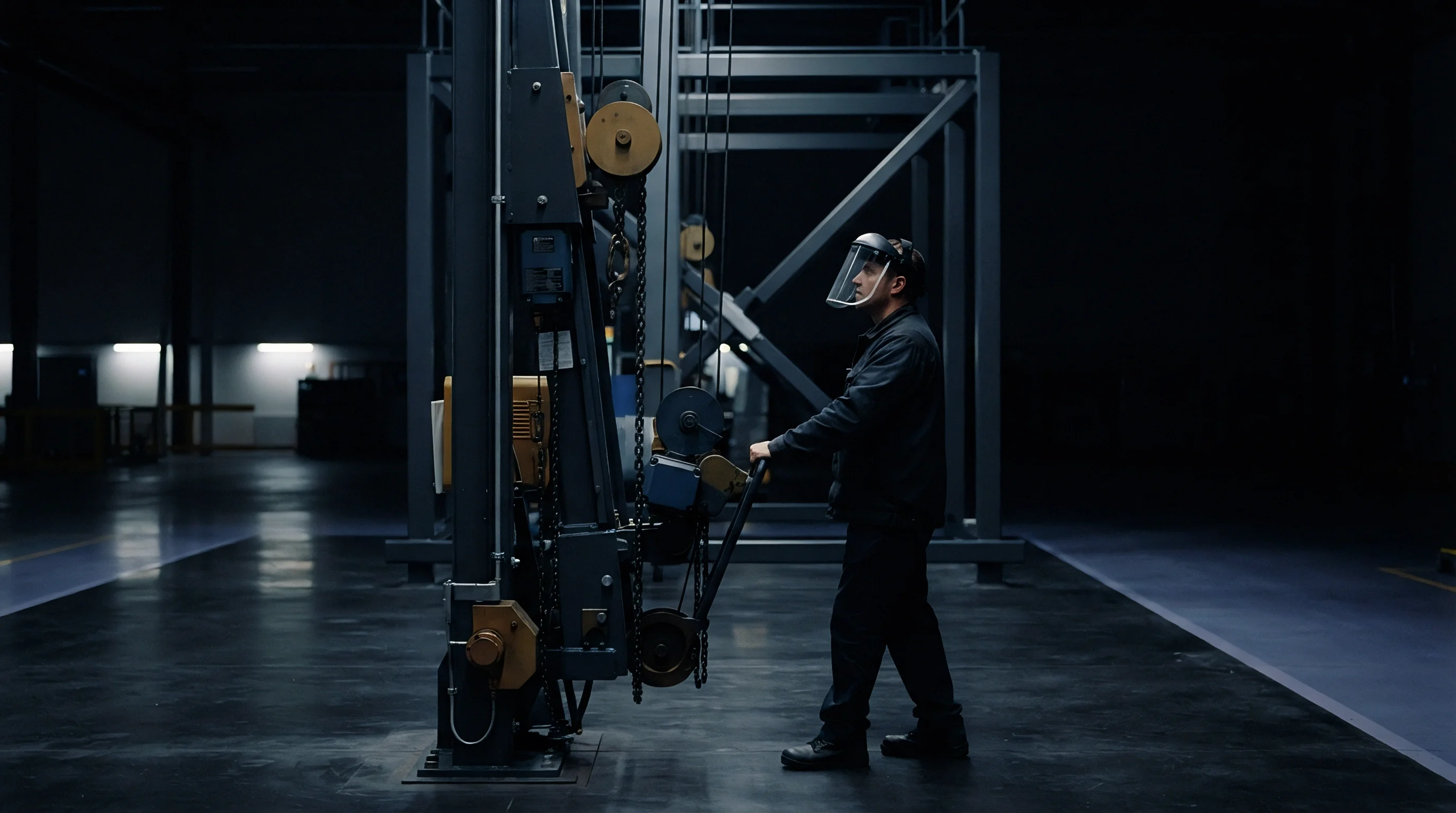
Heavy machinery needs specialized foundation pads isolated from the main factory floor. Anchor bolts set deep in reinforced concrete blocks have to withstand heavy tensile loads when machines accelerate or decelerate rapidly. Under continuous cyclic loading, chemical epoxy anchor studs offer far better fatigue resistance than standard mechanical expansion anchors.
Leveling precision machinery relies on adjustable wedge mounts sitting on steel soleplates grouted into the concrete pad. Installers use optical laser trackers to check bed flatness and squareness across spatial planes. Re-checking level every thirty days after setup catches concrete curing settlement before it twists machine tool castings permanently.

Tooling Interchangeability and Raw Material Feed Variations
Replicating a plant overseas assumes raw materials will match home specifications exactly, but local suppliers often operate under different standards. Regional steel mills, aluminum extruders, and resin suppliers use their own chemical mixes and tolerance limits. A cold-rolled steel sheet bought locally might hit nominal thickness targets but vary by plus or minus 15 percent in yield strength compared to domestic stock.
Those strength variations change how sheet metal springs back in stamping dies, causing out-of-spec parts and jams in transfer presses. Setup parameters, die clearances, and sensor triggers usually need recalibrating to fit local raw materials. Receiving inspection protocols have to check metallurgy, dimensions, and surface finish before releasing stock to the line.
Tooling tolerances drift quickly during initial setup, bringing out several common failure modes during environmental stabilization in foreign plants.
- Thermal growth misalignment causes linear guide rails to bind and ball-screws to misposition when plant temperatures exceed equipment design limits.
- Power line transient spikes blow out sensitive servo-drive inverter modules in electrical networks that lack active surge suppression.
- Particulate contamination clouds camera lenses and laser heads, triggering false rejects on high-speed assembly lines.
- Raw material dimensional variance jams automated bowl feeders and end effectors calibrated for tighter domestic stock.
- Inadequate foundation mass lets structural vibration pass between heavy punch presses, ruining surface finishes on nearby precision grinders.
- Humid air condensation causes micro-corrosion on electrical PCB contacts and open pneumatic valve manifolds over weekend shutdowns.
A fifty-millimeter machine bed deflection measured under full operational dynamic load invalidates all static factory acceptance testing certificates.
Unmeasured micro-climatic environmental fluctuations within a new regional facility will continue to compromise first-pass yield metrics long after official production hand-off.

Dossier
Permits, environmental filings, fire safety approvals, and customs classifications are non-negotiable prerequisites. Operating without full legal clearance risks severe enforcement, from immediate shutdown orders and heavy administrative fines to criminal liability for local managers. Expanding into a foreign jurisdiction means assembling a thorough legal dossier that aligns municipal laws with corporate governance.
Regulatory approvals routinely take several months longer than machine installation schedules.
Environmental impact assessments sit directly on the critical path for greenfield and brownfield builds. Local regulators scrutinize wastewater volumes, volatile organic compound emissions, chemical storage plans, and noise levels. Securing a wastewater permit often requires building on-site neutralization or biological treatment facilities to drop effluent chemical oxygen demand and heavy metals below strict local limits.
Submitting an incomplete application resets multi-month public notice periods, bringing physical construction to a stop.
Customs paperwork and tariff codes present another major bottleneck if handled carelessly. Harmonized System tariff codes dictate import duty rates, trade restrictions, and safety certifications for incoming machinery. Wrong tariff declarations get containers held at foreign ports, racking up thousands of dollars a day in demurrage fees.
Machinery shipments require pre-shipment inspections, certificates of origin, and translated technical documentation that match local customs regulations to the letter.
Cross-Border Permitting Schedules and Regulatory Lead Times
Navigating municipal approvals requires a realistic schedule that factors in local administrative lead times. Building permits, safety plan approvals, and hazardous material licenses run on separate tracks. Regional agencies frequently require local engineering board sign-offs on structural drawings, electrical schematics, and pressure vessel plans before granting construction permits.
Local labor laws can force major changes to plant layouts. Egress paths, aisle widths, ventilation rates, and breakroom sizes have to meet local statutory standards. Hiring qualified local legal counsel and compliance experts while drafting early facility layouts avoids costly drawing revisions during municipal reviews.

Environmental Impact Approvals and Local Code Compliance
Handling industrial chemicals requires dedicated compliance infrastructure. Hazardous material storage rooms need secondary containment bunding sized for 110 percent of the largest chemical vessel on site. Explosion-proof electrical fixtures, continuous gas detection sensors, and automated fire suppression systems must be fully installed and inspected by local fire authorities before any chemicals arrive.
Noise emissions from exterior cooling towers, dust collectors, and compressor stations must comply with property line regulations. Nighttime noise limits are usually much stricter than daytime industrial caps, requiring sound attenuation baffles around exterior utility gear. Authorities inspect sound levels along facility property lines before granting operating permits.
The matrix below outlines mandatory regulatory filings, reviewing agencies, typical approval timelines, and audit baselines required for stage gate clearance.
| Compliance Document Type | Issuing Regulatory Body | Typical Lead Time | Mandatory Audit Verification Baseline | |
|---|---|---|---|---|
| Environmental Impact Assessment Permit | Regional Ministry of Environment | 16 to 24 weeks | Signed approval letter with zero open public objections | |
| Industrial Building Occupancy Permit | Municipal Civil Engineering Bureau | 8 to 12 weeks | Final site physical inspection sign-off certificate | |
| Fire Safety System Acceptance Certificate | National/Local Fire Authority | 6 to 10 weeks | Wet-pipe sprinkler pressure test and alarm trigger log | |
| Hazardous Chemical Storage Authorization | Occupational Safety Administration | 10 to 14 weeks | Secondary containment pressure test and sensor audit | |
| High-Pressure Vessel Operating License | Technical Boiler Inspection Agency | 4 to 8 weeks | Hydrostatic pressure test stamp and safety valve log |
Engineering teams often find that local codes supersede standard drawings, as corporate machine guarding can violate regional safety regulations and force late modifications on the shop floor before inspectors grant clearance.
Section 14.2 of the international joint venture agreement specifies that failure to secure local environmental discharge permits by the scheduled Gate 3 review date forfeits vendor advance performance bonds and halts subsequent equipment disbursement tranches.
Under regional environmental laws, running process equipment before receiving final written permits risks immediate utility disconnection and asset seizure.

Sequence
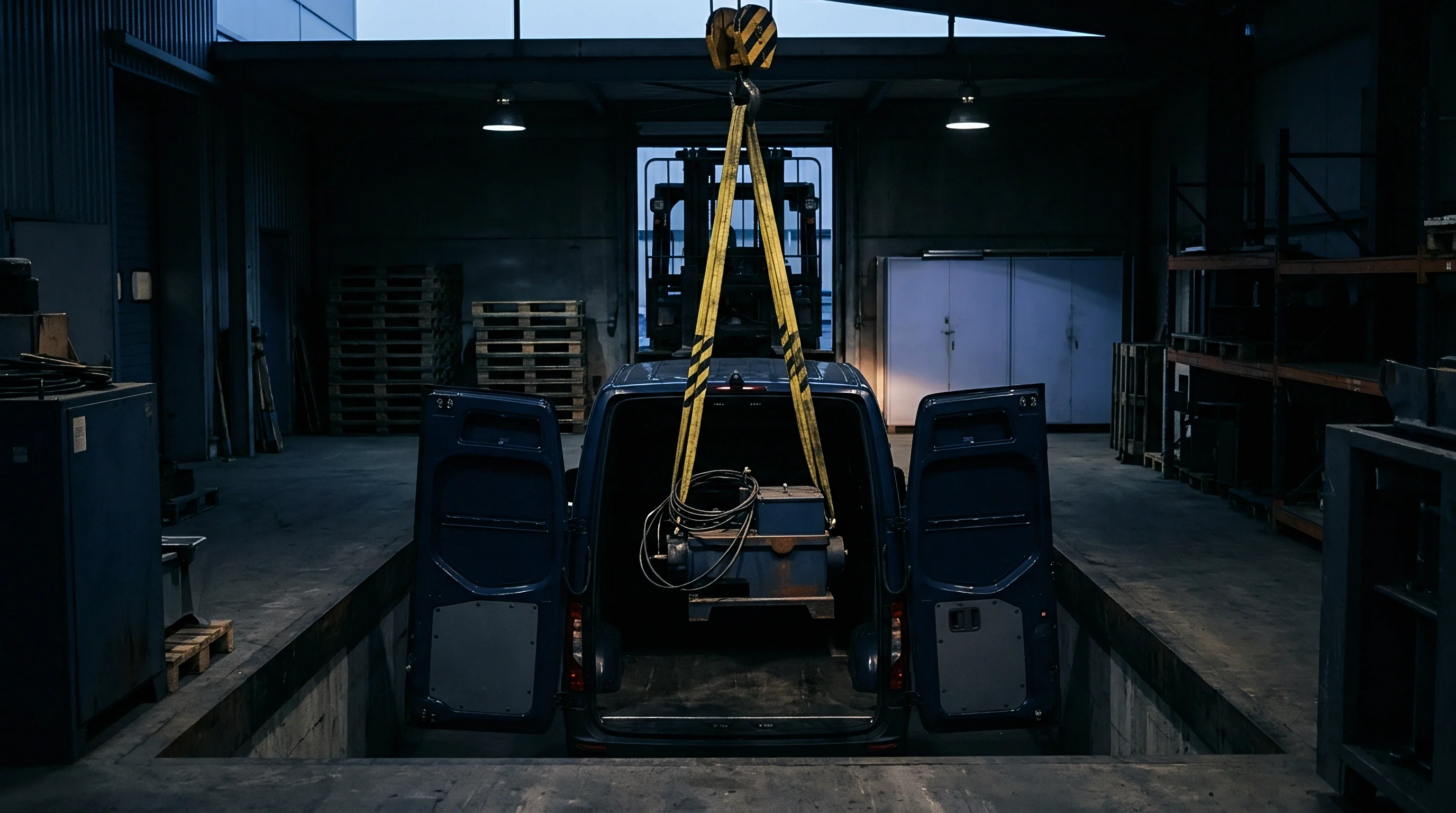
Capital disbursements should link directly to verified stage gate milestones, never to target calendar dates. Tying funding to arbitrary calendar deadlines encourages project teams to rush equipment delivery before the facility can safely receive complex machinery. A disciplined stage gate framework sets clear engineering and regulatory hurdles that must be verified on site before releasing funds for the next phase.
Stage gate governance divides expansion projects into distinct phases: feasibility, detailed engineering, physical construction, operational commissioning, and ramp hand-off. Each gate acts as an absolute financial valve. Moving to the next stage requires executive steering committee approval based on objective evidence ~ third-party audits, engineering certificates, and physical inspection logs.
Clearing a gate releases funding for the upcoming phase while capping exposure on long-lead commitments.
Capital precedes verified capacity when management fails to enforce stage gate rigor. Discipline comes from allocating capital in discrete tranches tied to specific risk milestones. Phase 1 covers initial civil work and lease deposits.
Phase 2 releases funds for long-lead equipment procurement only after foundation load tests and power grid stability audits clear Gate 1. Phase 3 unlocks installation and commissioning funds once building occupancy permits clear Gate 2. Tranching capital this way contains downside financial risk if market conditions shift or site infrastructure fails technical checks.

Stage Gate Architecture and Decision Boundary Definitions
Effective stage gate boundaries require clear separation between project execution teams and governance committees. Execution teams focus on schedule speed and managing vendors, which creates a natural bias toward pushing ahead even when technical issues linger. Governance committees need independent audit authority to evaluate data against fixed acceptance criteria before approving any gate clearance.
Gate documentation should spell out explicit minimum deliverables for every review. Required packages include certified soil core reports, power quality logs, environmental permits, pre-shipment acceptance test certificates, installation alignment sheets, and initial process capability data. Any unresolved technical non-conformance requires a formal engineering change order and corrective action plan before conditional gate approval can even be considered.
Where Do Capital Commitments Overrun Stage Gate Approvals?
Financial overruns often happen when teams commit to long-lead machinery before securing regulatory permits or verifying civil engineering readiness. Heavy equipment ~ like high-tonnage forge presses, automated paint lines, or cleanroom packaging systems ~ takes six to twelve months to build. Signing down-payment contracts prematurely ties up substantial capital and leaves the company exposed if environmental permits are delayed or civil construction hits structural snags.
Unmanaged scope drift during retrofits is another major source of budget bloat. Verbal requests on the shop floor for structural modifications, utility upgrades, or machine safety tweaks easily bypass financial controls. Enforcing strict authorization protocols and formal engineering change workflows caps unauthorized spending and maintains financial discipline.

Capital Allocation Tranches and Irreversible Financial Commitments
Irreversible commitments ~ buying custom tooling, signing long-term leases, or paying import duties ~ are major risk points. Capital release rules should break large contracts into progress payments tied to verified milestones. For equipment purchases, final retention payments of 15 to 20 percent should depend on successful on-site commissioning and yield validation, not delivery at the port.
Financial releases should be structured so that zero capital transfers without signed engineering acceptance. Financial controls should mandate dual authorization for international wire transfers. Because cross-border timelines expose budgets to currency swings, executing FX hedging contracts on major equipment purchases protects project capital from exchange rate volatility.
The sequence of operational stage gates and corresponding disbursement approvals follows the framework below.
- Gate 0 Business Case and Feasibility Approval releases initial site selection funding, legal retainers, and preliminary environmental survey budgets once market demand projections are validated.
- Gate 1 Site Acquisition and Engineering Baseline Clearance unlocks civil engineering capital, foundation contracts, and utility connection deposits after independent slab and grid telemetry audits pass.
- Gate 2 Building Readiness and Equipment Procurement Release authorizes equipment down-payments and international freight commitments upon securing building occupancy permits and environmental discharge clearance.
- Gate 3 Equipment Installation and Utilities Interconnect Authorization releases delivery progress payments, mechanical installation retainers, and utility hookup funds after verified uncrating inspections and cleanroom particle validation.
- Gate 4 Line Commissioning and Production Qualification releases final vendor retention payments and authorizes pilot production once line balance metrics hit target yield and cycle time benchmarks.
Because permits dictate the schedule, operational field audits conducted before shipping machinery internationally should follow six verification steps.
1. Conduct a full physical inspection of equipment at the vendor facility during factory acceptance testing.
2. Check dimensional accuracy, panel wiring, safety interlocks, and baseline cycle times against purchase specs.
3. Review raw material certificates, sensor calibration logs, and translated operator manuals.
4. Run a continuous five-hundred-unit test using production-grade raw materials to establish baseline process capability.
5. Document all defects, non-conforming dimensions, and software bugs on a formal punch list.
6. Require vendor engineers to fix all high-priority punch list items and obtain signed engineering sign-off before dismantling machinery for export.
The table below summarizes the stage gate governance control structure, detailing required exit criteria, governing verification documentation, and maximum capital exposure limits for each project phase.
| Gate Stage Identifier | Mandatory Exit Criteria | Required Verification Documentation | Capital Exposure Limit |
|---|---|---|---|
| Gate 0 Feasibility | Market demand clearance and trade regulatory path confirmed | Executive steering board charter and regulatory strategy report | 5 percent total budget |
| Gate 1 Baseline | Civil ground load capacity and power grid stability verified | Geotechnical survey report and 30-day power quality log | 15 percent total budget |
| Gate 2 Procurement | Building occupancy permit and environmental discharge clearance secured | Municipal building permit and signed environmental authorization | 45 percent total budget |
| Gate 3 Installation | Facility floor cleanroom particle count and utility pressure stabilized | Cleanroom particle count certification and utility pressure test log | 75 percent total budget |
| Gate 4 Ramp Hand-off | Line balance cycle time and first-pass yield targets satisfied | Pilot run yield statistical report and customer sign-off certificate | 100 percent total budget |
Buying machinery before civil foundations and environmental permits clear site readiness checks puts that capital at total risk.
Capital release schedules linked to calendar dates guarantee budget overruns, while capital release schedules tied to physical verification maintain financial control.
Never release final equipment shipment payments until local site utility hookups show stable pressure and voltage under simulated full-load testing.


Ramp
Commissioning an international facility demands line balancing, bottleneck analysis, and systematic yield stabilization before scaling output. Rated capacity numbers from vendors reflect theoretical maximums under ideal lab conditions. Real plant floors introduce operator learning curves, cycle time variance, feed delays, and unexpected stoppages that depress overall equipment effectiveness.
Output projections must be built on measured governing station capacity, not aggregated line speed claims.
The governing station sets the throughput ceiling for the entire line. Adding machinery or operators anywhere else yields zero extra output while piling up work-in-progress inventory on the floor. On an automated automotive sub-assembly line, if an ultrasonic welding station takes 45 seconds per cycle while adjacent press and inspection stations run in 30 seconds, that welder is the bottleneck.
Engineering resources have to focus on optimizing cycle time, shortening changeovers, and eliminating downtime at that single station.
Governing station cycle times require tracking across three consecutive shifts before authorizing a full ramp. First-pass yield gives the true measure of line stability. Aggregated output figures often mask heavy scrap generation and hidden rework loops that drain profit.
A line reporting 90 percent yield might rely on offline rework stations manually fixing bad parts from an unstable machine upstream. True first-pass yield tracks only the units that go from raw material to final packaging without a single repair or adjustment.

Line Balance and Governing Station Capacity Limits
Line balancing spreads manual tasks and automated machine cycles evenly across work stations. Imbalanced lines leave operators idle at fast stations while work-in-progress inventory builds up in front of slow ones. Calculating balance efficiency ~ total task time divided by station count multiplied by governing cycle time ~ clearly reveals where operational waste sits.
Hitting target efficiency during ramp requires redistributing tasks, cross-training operators, and applying targeted automation. Automated part feeders, quick-change tooling, and standardized operator motions reduce variance at high-takt stations, driving overall line efficiency toward baseline targets.

First-Pass Yield Recovery and Scrap Rate Trajectories
Scrap rates during early startup follow a steep learning curve. Pilot runs frequently see scrap exceed 20 percent while thermal settings normalize, operators get up to speed, and raw material feeds adjust. Applying failure mode analysis alongside root-cause statistical problem solving helps isolate the engineering flaws driving recurring defects.
Reported quality levels often mask high offline manual rework rates that add substantial unplanned labor costs. Linking automated line tracking software with inline quality sensors keeps non-conforming units from moving downstream. Real-time logging tracks scrap by defect type, station, and shift, letting engineers target chronic quality leaks directly.
Operator Skill Transfer and Shift Output Stabilization
Transferring operator skills is a crucial, often underestimated part of cross-border expansions. Running complex, high-speed machinery requires practical domain knowledge that technical manuals simply can’t capture. Sending experienced master technicians and lead operators to train local staff speeds up knowledge transfer during commissioning.
Standard work instructions with clear visual aids, exact placement steps, and unambiguous quality checks align operations across rotating shifts. Gaps in output between day and night shifts highlight training needs or environmental variations. Operations reach stability when volume variance between shifts drops below 5 percent under steady material supply.
The checklist below outlines mandatory conditions to verify before releasing a line to commercial production.
- Governing station cycle time matches design takt time within plus or minus 2 percent over a continuous eight-hour run.
- First-pass yield performance sustains target quality without offline rework across three consecutive multi-shift cycles.
- Inline sensor verification networks demonstrate 100 percent detection accuracy when deliberate bad samples are run through inspection gates.
- Raw material buffer inventory maintains steady supply to primary line feed stations without causing line starvation or blocking aisles.
- Changeover procedures meet target times using single-minute exchange of die methods validated across all shifts.
- Local maintenance teams execute scheduled preventative maintenance routines independently without relying on expatriate engineers.
Unverified offshore tooling suppliers delivering dies with incorrect alignment pin spacings can halt initial line ramps for weeks and force emergency air freight expenses.

Clash
Friction between corporate engineering standards and local plant management is a constant during cross-border expansions. Headquarters wants strict adherence to global equipment designs, approved vendor lists, and standard operating procedures. Local managers push back, arguing that local supply chain bottlenecks, labor market realities, and regional regulations require adapting corporate templates.
Resolving these clashes requires clear authority boundaries and formal change protocols established well before commissioning starts.
Corporate engineering guidelines drawn up at headquarters often clash with local operating realities. A global standard specifying one brand of PLC hardware creates severe maintenance risks if that brand lacks local technical support, regional spare parts distribution, or qualified service engineers. On the flip side, local managers who substitute supported hardware risk violating global standards and failing corporate audits.
Governance protocols need a structured waiver process that lets local boards evaluate regional supply chains, spare parts lead times, and maintenance capabilities.
Vendor default clauses in international procurement contracts offer vital commercial protection when foreign machinery suppliers miss performance specs or delivery dates. Purchase contracts executed across jurisdictions must specify governing law, arbitration venues, and explicit technical acceptance criteria. Relying on local foreign courts to settle complex engineering disputes leads to multi-year litigation that can cripple expansion schedules.
Local versus Parent Jurisdiction Engineering Authority Disputes
Authority disputes crop up quickly when local conditions force immediate changes to plant layouts or safety setups. A municipal fire inspector might require firewalls or chemical piping adjustments that directly contradict headquarters’ standard floor plan. When local laws conflict with internal corporate guidelines, local health, safety, and environmental regulations have to take precedence over corporate preference.
Setting up a local waiver board ~ combining parent-company technical directors and local plant managers ~ provides a fast, formal way to resolve specification disputes. Submitting waiver requests with technical impact analyses, cost estimates, and risk assessments allows teams to approve necessary local adaptations without compromising safety or product quality.

Vendor Milestone Defaults and Delivery Contract Enforcement
Vendor defaults happen when equipment suppliers miss accuracy tolerances, cycle time targets, or delivery dates. Commercial agreements must include explicit milestone metrics linked directly to liquidated damages clauses. Financial penalties for unexcused delays give suppliers a strong incentive to dedicate the engineering resources needed to deliver on time.
Factory acceptance testing at the vendor facility is the primary defense against shipping defective machinery overseas. Contracts should give buyer engineers full access to vendor plants to observe continuous capability runs before equipment is torn down and packed. Foreign suppliers failing to provide proper country-of-origin documentation matching local import tariff declarations can leave equipment delayed in customs for weeks.
If a machine fails acceptance criteria, the contract must allow holding progress payments and requiring fixes on site before authorizing dispatch.
Dispute resolution clauses should mandate binding international arbitration under established rules, such as the International Chamber of Commerce, seated in a neutral jurisdiction. Choosing neutral arbitration removes home-court advantages for foreign vendors or local joint venture partners, ensuring fair commercial enforcement when contract defaults occur.