Meaning
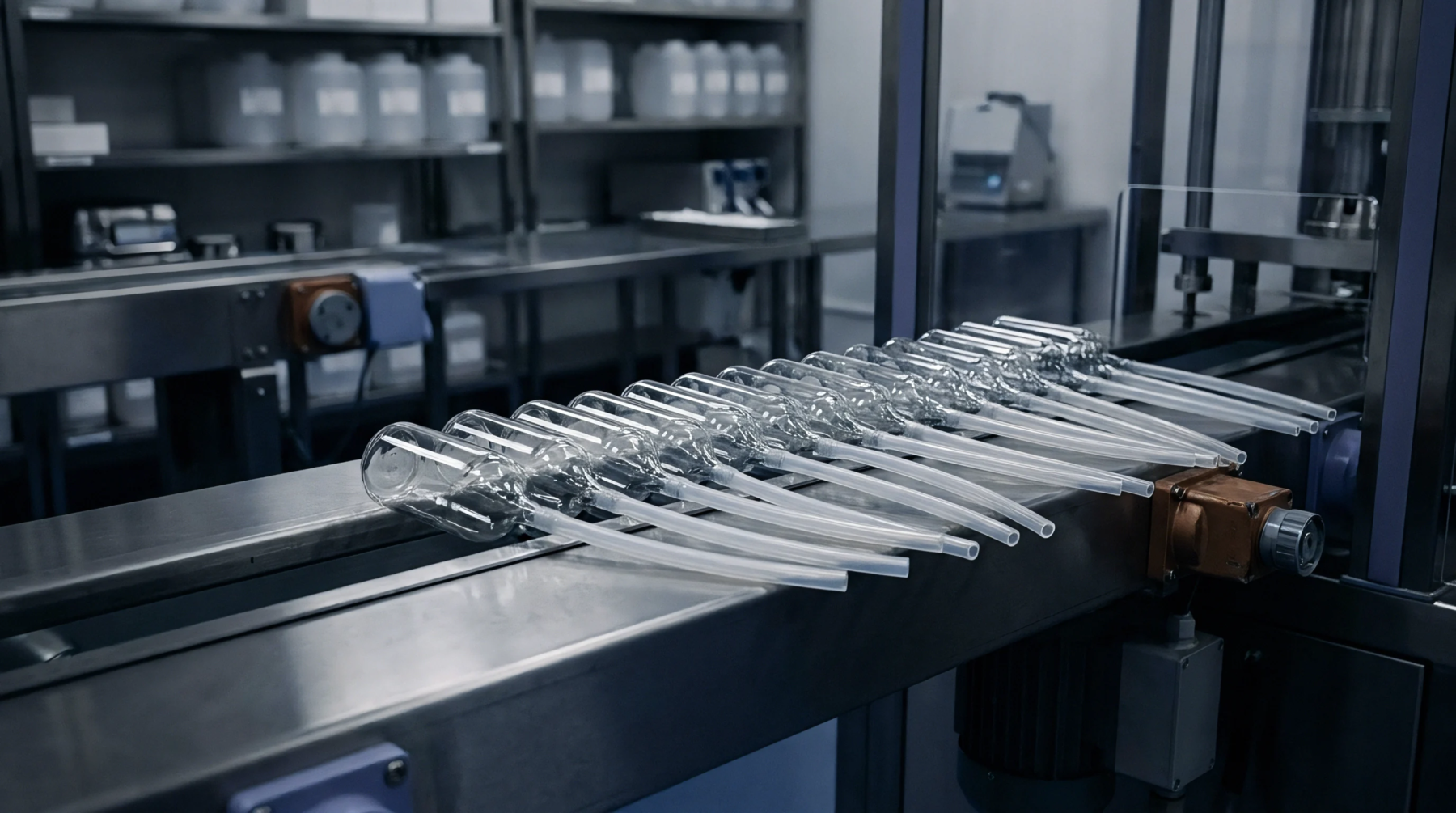
Accelerated polymer injection processing is used to fabricate identical plastic components at high volume. In modern manufacturing, high throughput molding utilizes multi-cavity tools, automated parts extraction, and advanced cooling systems to minimize cycle times. This approach allows factories to produce thousands of finished parts per hour with minimal human intervention.
It marks the transition point from low-volume prototype molds to high-rate consumer and industrial product lines. By optimizing the cooling channels and the injection pressure for each specific polymer, factories can run these machines continuously without risking thermal degradation of the raw material.
Process Engineering
Designing high-speed mold tools requires precise simulation of material flow and heat transfer inside the cavities. Engineers must balance the cooling rate against the injection speed to avoid structural weaknesses in the finished parts. When utilizing high throughput molding, a minor imbalance in temperature can cause warping or incomplete filling.
Modern machines use integrated sensors to adjust pressure in real time, maintaining consistent output during long runs.
Quality Control
Automated inspection systems are necessary to verify the dimensions of parts produced at such high speeds. Manual inspection is impossible when output reaches thousands of units per hour. The transition to high throughput molding requires optical sorting and automated weigh scales to detect defects.
These systems separate non-conforming items instantly to prevent them from entering the final packaging area.
Economic Benefit
Minimizing the cycle time per part reduces the unit cost of production and increases the factory’s overall capacity. This efficiency makes the initial high investment in complex tooling financially viable for long production runs. A well-optimized molding line allows the manufacturer to meet sudden spikes in market demand without increasing labor costs.
This stability provides a significant advantage in competitive consumer markets.