
Non-Linear Melt Viscosity Calibration in Polymer Processing Operations
Non-linear viscosity calibration requires multi-point shear rheometry and Cross model fitting to prevent extreme die sizing and molding pressure errors.
Non-linear viscosity calibration requires multi-point shear rheometry and Cross model fitting to prevent extreme die sizing and molding pressure errors.

Off-spec melt fracture disputes drive immediate borrowing base reductions by forcing asset-based lenders to reclassify resin inventory to ineligible status.

Polymer extrusion quality control limits require dynamic multi-point shear viscosity bounds at process shear rates to eliminate scrap and protect converting margins.

Quantifying true wall shear stress requires Bagley end-loss and Rabinowitsch corrections on capillary data to prevent premature extrudate fracture.

Dynamic variothermal tooling control balances shear-thinning fluid flow and transient boundary heat transfer to eliminate surface defects and stress concentration.
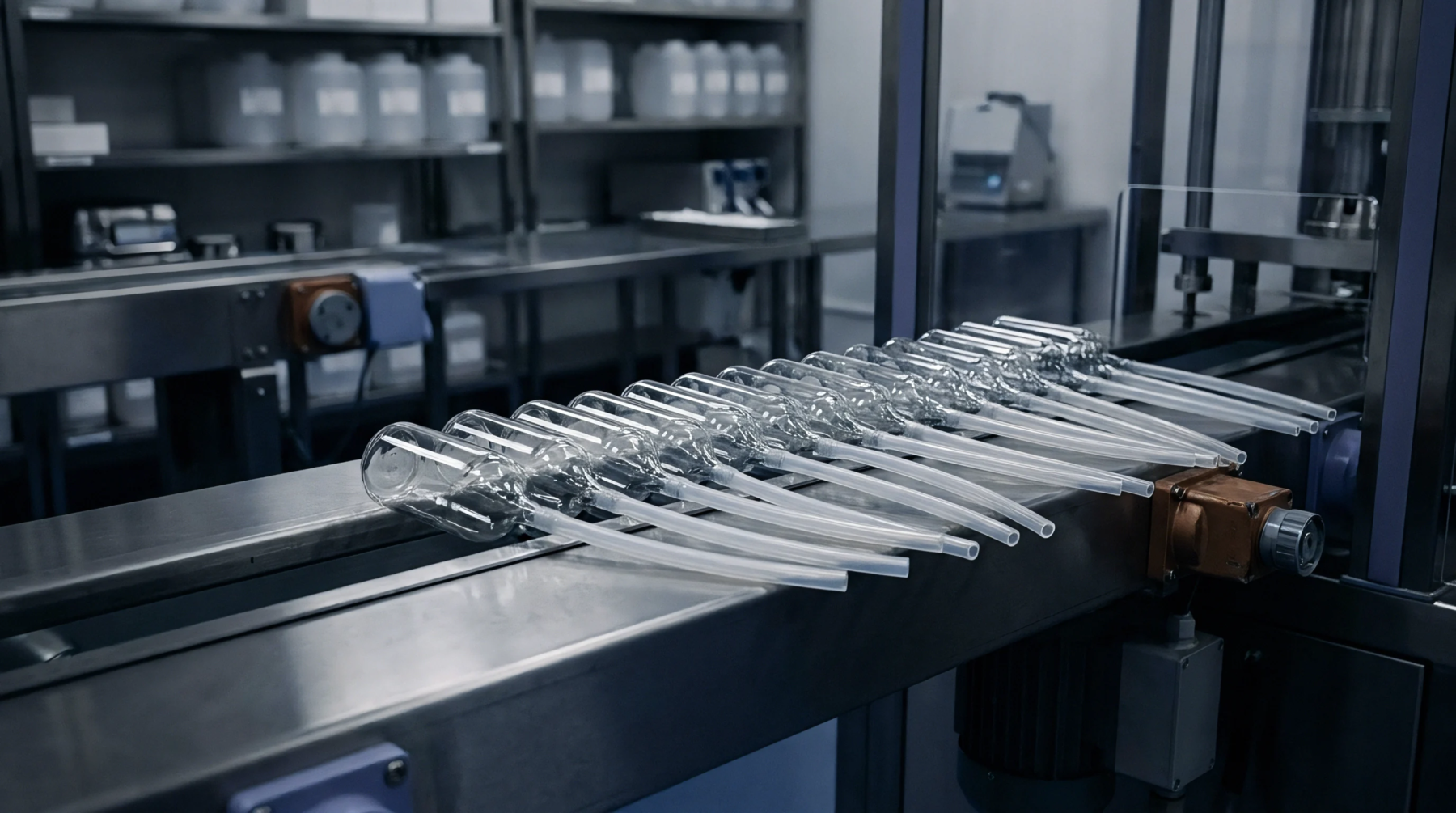
High throughput molding requires balancing injection velocity against viscous dissipation to prevent polymer chain scission and wall slip defects.

Quantifying polymer melt shear stress limits protects toll extrusion conversion margins, prevents off-spec scrap accumulation, and maintains inventory borrowing base eligibility.

Inaccurate capillary rheometry metrics hide high-shear processing limits, triggering scrap and line delays that expand working capital and lock cash in raw stock.

Polymer melt elastic limits constrain extruder output, driving scrap rates and inventory holding costs that erode operating margin and strain lending covenants.
Expertise is a utility, not a secret. sentiention™ publishes its working knowledge as open reference: intelligence layer covering the materials it sources, the markets it enters, and the reference that serves both.