Inter-Workstation Queue Staging Controls in Precision Batch Manufacturing
Precision batch manufacturing queue staging controls govern intermediate WIP dwell times, thermal stability, and dispatch gates to preserve micron-level tolerances.
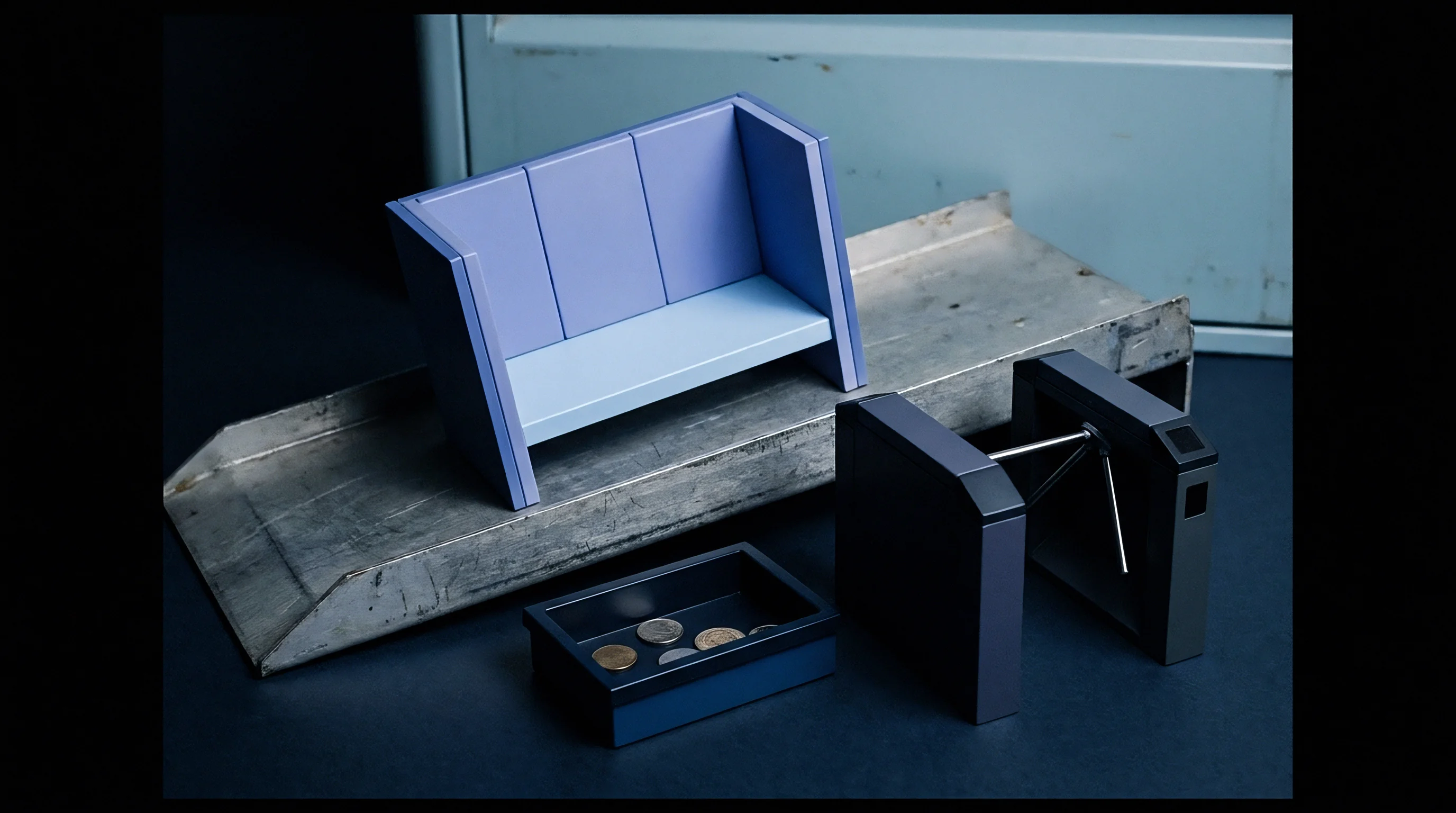

Rack
Intermediate storage locations between precision machining cells govern physical stability. In high-tolerance batch manufacturing where dimensions sit below five micrometers, queue areas act as active physical environments rather than passive resting zones. Staging workpieces on unconditioned metal shelves creates micro-climatic gradients.
Air currents, radiant floor heating, and proximity to external loading doors introduce localized temperature shifts that expand or contract metallic components prior to downstream finishing operations. A workpiece transferred from a rough-milling station at 28 degrees Celsius directly into an intermediate queue experiences volumetric contraction as it cools to an ambient shop temperature of 20 degrees Celsius. If secondary grinding occurs before complete thermal equilibration, geometric distortion ruins the final finished profile.
Thermal expansion of 6061-T6 aluminum rests on a CTE of 23.1 micrometers per meter per degree Celsius, verified across standard ASTM B221 batch testing; a 3-degree ambient temperature shift over a 4-hour staging period alters a 200 mm bore by 13.8 micrometers, exceeding a 10-micrometer tolerance band. Sub-micron precision batching requires dedicated environmental enclosures at staging bays. Physical separation between roughing and finishing queues isolates sensitive work in progress from oil mist, metal chips, and airborne particulate contamination.
Unprotected workpieces placed in open queues accumulate shop floor debris that fouls precision fixtures on sub-micron honing centers. Establishing physical containment for staging buffers protects dimensional integrity across multi-stage fabrication sequences.
Sub-micron dimensional stability breaks whenever ambient air velocity across open staging trays exceeds ambient boundary standards.
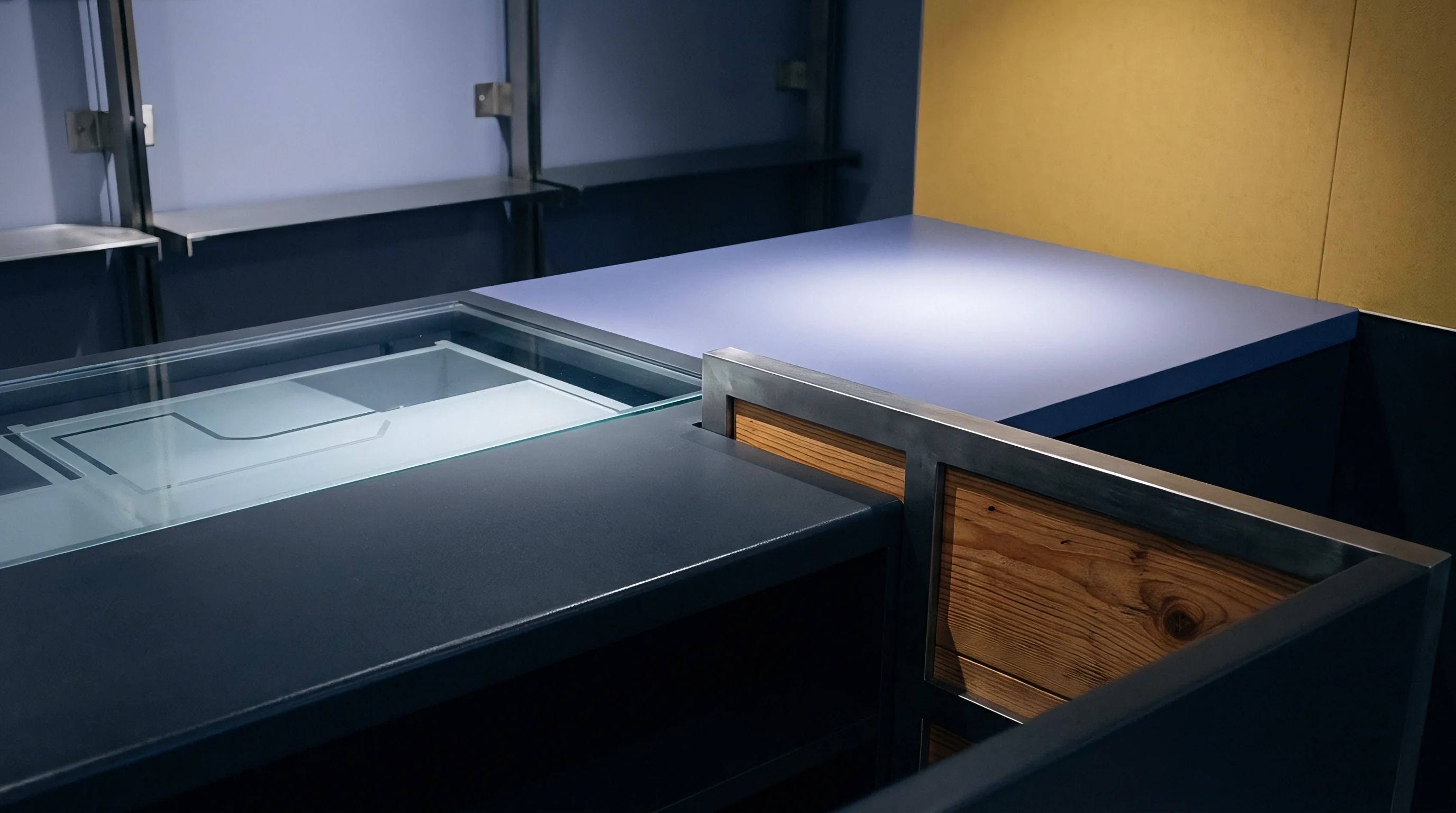
Physical Staging Mechanics and Climate Bounds
Environmental fluctuations during queue residence alter workpiece dimensions through coefficient of thermal expansion effects. Shop floor micro-climates vary significantly between floor level and elevated storage shelves. Vertical gradients up to 0.5 degrees Celsius per meter cause upper shelves to run warmer than lower tiers.
Parts placed on top racks achieve thermal equilibrium at different dimensions than parts sitting near concrete floor slabs. Unregulated airflow from overhead HVAC units accelerates localized cooling on one side of a staged batch, inducing asymmetric thermal stresses.
Precision batch staging units incorporate forced-air thermal homogenization and particulate filtration. Enclosed cabinets equipped with laminar flow HEPA units maintain consistent air velocity below 0.3 meters per second while holding temperature within 0.1 degree Celsius of target metrology conditions. Staging trays constructed from high-density polyethylene or coated aluminum prevent galvanic corrosion at component contact points.
Direct metal-to-metal contact between damp, freshly machined steel components and raw steel rack structures creates localized corrosion cells within two hours of contact time, causing micro-pitting along reference datum surfaces that destroys fixture repeatability at subsequent grinding stations.
| Parameter | Tolerated Variance | Material Risk | Diagnostic Method |
|---|---|---|---|
| Ambient Temperature | +/- 0.2 degrees Celsius | Dimensional growth and CTE misalignment | Continuous infrared array logging |
| Relative Humidity | 40 to 50 percent RH | Surface oxidation and flash rusting | Chilled mirror hygrometer monitoring |
| Air Flow Velocity | Under 0.3 meters per second | Asymmetric thermal contraction | Hot-wire anemometer spot checks |
| Particulate Density | ISO Class 7 containment | Fixture fouling and surface scratching | Laser particle counter sampling |
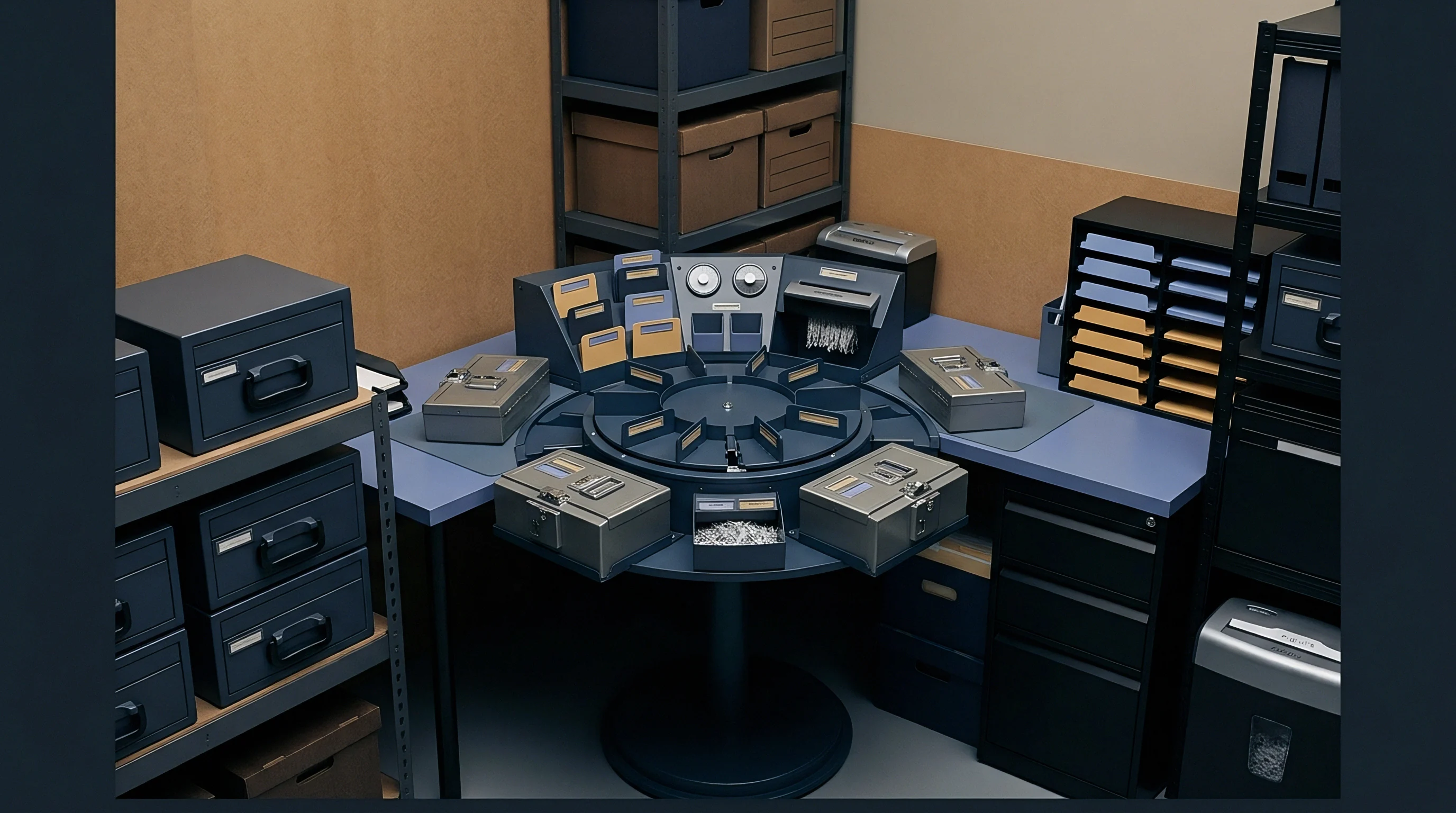
Buffer Capacity for Precision Machined Components
Volumetric floor limits dictate how many WIP trays can sit safely between five-axis mill stations. Overcrowded intermediate queues create physical congestion, impeding material handling vehicles and increasing collision risk for delicate components. Staging rack footprints must align directly with the production rate of the bottleneck station.
Adding staging capacity upstream of a slow operation fails to increase overall plant output, accumulating idle inventory, lengthening throughput time, and exposing workpieces to extended environmental risks.
Queue controls require strict physical limits on buffer storage space. Floor markings, designated shadow boards, and fixed gravity-feed rack slots physically restrict queue expansion. Once a staging rack reaches designated physical capacity, upstream stations halt release until space opens down the line.
- Temperature Stabilization Enclosures maintain consistent thermal conditions within 0.1 degree Celsius across all stored parts.
- Relative Humidity Locks seal sensitive metal components away from ambient moisture spikes during seasonal atmospheric shifts.
- Vibration Dampening Pallet Bases isolate precision machined parts from floor vibrations generated by adjacent heavy stamping presses.
- Nitrogen Purge Cabinets prevent atmospheric oxidation on freshly turned titanium and copper alloy surfaces during extended queue delays.
Inadequate climate containment at intermediate racks transforms tightly controlled machining lots into costly scrap.
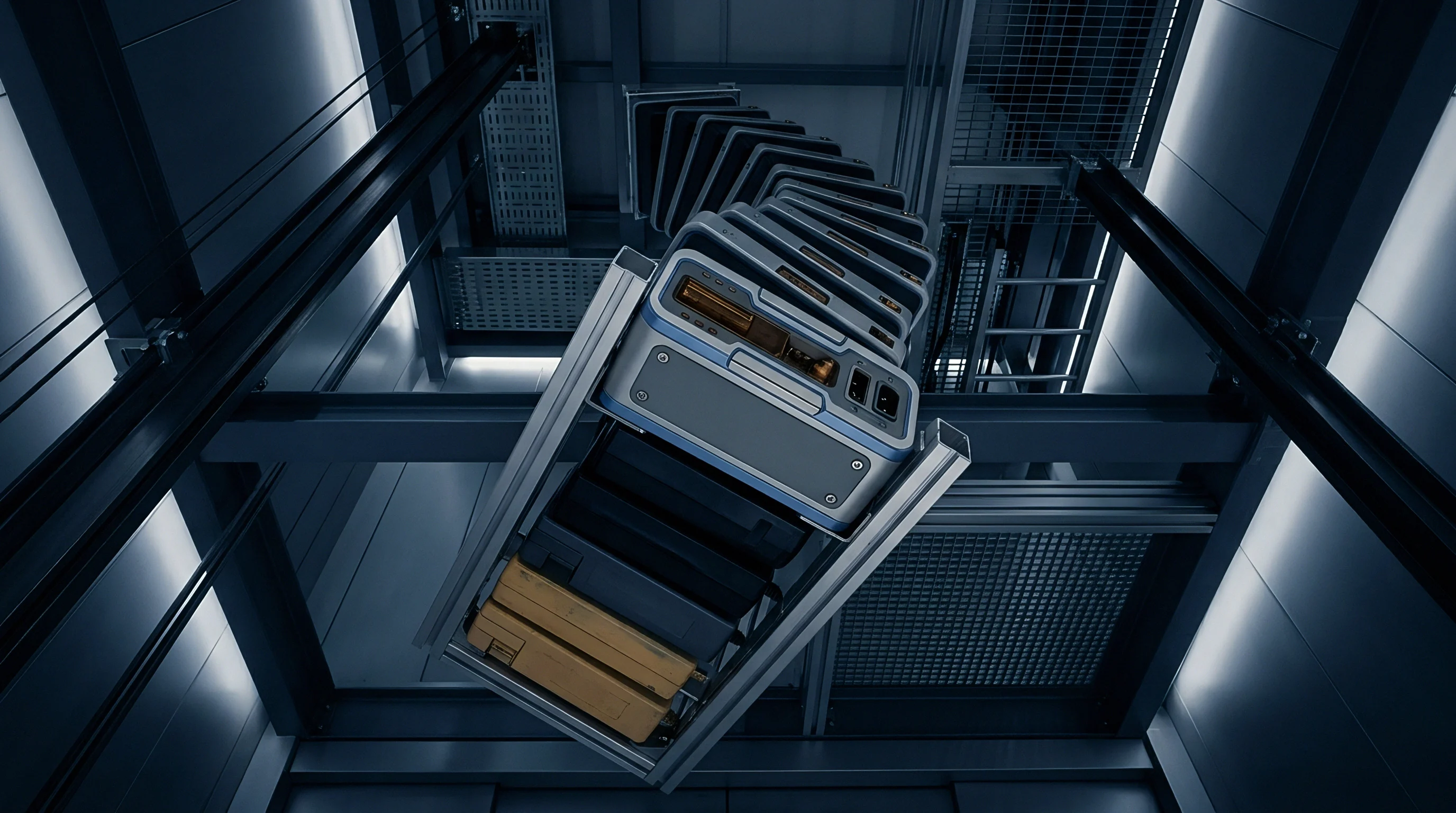
Gate
Release mechanics governing movement into downstream workstations determine total line throughput. Uncontrolled push systems inundate downstream operations with excessive work in progress, causing long queue times and high inventory carrying costs. Precision batch manufacturing uses physical and operational stage gates to regulate component flow between workstations.
A batch cannot move to the next operation until passing both physical quality criteria and operational schedule authorization. Flow control mechanisms enforce fixed work in progress limits across designated line segments.
CONWIP systems set total allowed inventory limits between the initial raw material release and the final inspection station. When a finished batch exits the final workstation, a authorization signal returns to the input gate, allowing a new raw material batch to enter the line. This mechanism prevents queue overflow at intermediate stations while maintaining steady workstation utilization.
Controlling queue entry rates keeps bottleneck stations running continuously without swamping non-bottleneck operations with excess intermediate stock. Enforcing strict queue limits shortens total throughput time and reduces batch dwell exposure.
Standard ISO 9001 Clause 8.5.4 mandates raw material and intermediate batch preservation, penalizing unmonitored queue exposure with immediate lot isolation.

Controlled Work in Progress Dispatch Logic
Pushing batches forward without capacity clearance creates floor congestion and extended residence times. Dispatch logic governs the exact order and timing of batch movement out of staging queues. Priority rules based on job due dates or shortest processing times often create downstream machine starvation or excessive queue build-up if applied without constraint checks.
Drum-Buffer-Rope scheduling links shop floor dispatching directly to the constraint operation. The drum sets the pace, the buffer protects the constraint from running out of work, and the rope releases material at the precise rate consumed by the constraint.
Intermediate dispatch gates require automated or physical validation before releasing material. The receiving workstation must confirm operational readiness, including available machine capacity, verified tooling setup, and correct CNC program loading. Releasing a batch to an unready machine forces workpieces to sit idle on open machine tables or transport carts.
Physical gate controls prevent batch transfer until all downstream readiness criteria register complete in the manufacturing execution system.
- Measure ambient temperature at the receiving staging station to confirm thermal equilibrium.
- Read the lot barcode into the dispatch terminal to clear routing authorization.
- Verify stress relaxation duration against material specification logs.
- Release the batch to the machine loading tray under automated authorization.
When Should Intermediate Buffers Be Purged?
Dwell time limits trigger mandatory scrap evaluation when parts sit idle past allowed thresholds. Certain high-strength aerospace alloys, age-hardenable aluminum, and reactive titanium grades undergo physical changes when resting in unconditioned queues. Extended dwell times allow micro-structural changes, stress relaxation, or natural age hardening to occur prior to secondary forming or finish machining.
Once a batch exceeds its maximum allowable queue dwell time, automated dispatch gates lock the lot, preventing movement to the next machine.
Purging decisions follow strict material evaluation protocols. Quality inspectors pull sample parts from locked batches to perform hardness testing, dimensional metrology, and surface chemical analysis. If material properties remain within engineering limits, the batch receives a time extension clear.
If material aging or corrosion exceeds specification limits, the batch undergoes immediate rework or scrap disposal. Leaving expired batches sitting in intermediate queues consumes floor space and risks accidental processing of nonconforming material.
Aerospace standard AS9100 Section 8.5.2 enforces positive batch identification at dispatch points, rendering unverified queue transfers noncompliant.


Drift
Metallurgical and chemical changes occur quietly while workpieces await secondary processing. Queue dwell time is far from neutral. In precision batch manufacturing, time spent sitting between operations induces physical degradation.
Machining operations introduce intense localized heat and residual mechanical stresses into metal workpieces. When components sit in staging queues, internal residual stresses gradually relax, causing subtle geometric warping over hours or days. A part machined perfectly flat on a vertical milling center can flex out of flat while resting on a staging rack before finish grinding.
Oxidation layer growth on Titanium Grade 5 rests on a 0.05 micrometer per hour atmospheric absorption rate at 65 percent relative humidity, established via surface ellipsometry; exceeding 8 hours of ambient exposure introduces surface embrittlement requiring secondary acid etching. Environmental exposure during queue delays compounds metallurgical instability. Freshly machined metal surfaces lack protective oxide layers.
Oxygen and ambient humidity react with fresh surfaces, forming flash rust on ferrous metals or oxide films on aluminum and titanium. These surface layers alter electrical conductivity, interfere with electron beam welding, and compromise adhesive bonding strength in subsequent assembly operations.
Aluminum 7075 precision forgings undergo 14 micrometers per meter of dimensional growth per degree Celsius shift over a 12-hour staging dwell.
Surface Oxidation and Residual Stress Relaxation
Passivation layers break down when atmospheric humidity interacts with freshly cut metal surfaces, accelerating surface pitting. In micro-machining and medical device manufacturing, surface oxidation during staging invalidates cleanroom surface preparation. Residual stresses induced by heavy milling operations redistribute over time, distorting critical features.
Staging controls must account for material-specific relaxation time frames. Stress relief heat treatment steps belong immediately after rough machining to stabilize parts before extended staging.
Workpieces manufactured in high-temperature machining processes retain internal thermal gradients upon entering queues. Rapid cooling on staging racks induces localized thermal shock, altering grain structure near component edges. Controlled cooling protocols inside staging bays prevent micro-cracking in sensitive ceramics and hardened tool steels.
Managing thermal transition rates during staging protects structural performance.
| Material Grade | Queue Dwell Interval | Physical Effect | Scrap Risk Level |
|---|---|---|---|
| Aluminum 7075-T6 | Exceeding 12 hours | Natural aging and stress relaxation distortion | High |
| Titanium Ti-6Al-4V | Exceeding 8 hours | Alpha-case oxidation and atmospheric contamination | Moderate |
| AISI 4340 Steel | Exceeding 4 hours | Flash corrosion and micro-pitting | High |
| Inconel 718 | Exceeding 24 hours | Stress redistribution and strain warping | Low |
Thermal Equilibrium Delays in Sub-Micron Batching
Taking a batch from an air-conditioned CMM room back to a hot shop floor induces dimensional distortion. Precision metrology requires workpieces and measuring equipment to match standard reference temperatures, typically 20 degrees Celsius. When workpieces sit in intermediate queues, temperature disparities between the parts, the ambient air, and downstream holding fixtures introduce measurement errors.
Sub-micron batching operations demand strict thermal equilibration periods prior to processing. Parts transferred between different temperature zones must dwell in climate-controlled staging bays until internal temperatures match the target processing environment. Skipping thermal soaking periods leads to incorrect tool offsets and out-of-tolerance dimensions during finish machining.
The exact economic loss caused by micro-vibrations in shop-floor staging racks remains unquantified across the industry due to confounding tool-wear variables, but conservative shop estimates assign a two percent scrap penalty to unstabilized queues.
Post-machining warping can stem from shop-floor queue exposure or inherent ingot stress.


Register
Real-time recordkeeping bridges the physical movement of material with planning system assumptions. Physical staging controls rely on digital monitoring systems to track batch location, dwell time, and environmental exposure. Tracking intermediate work in progress through manual paper travelers introduces data entry errors, lost documentation, and delayed status updates.
Automated queue tracking systems use wireless sensor networks, barcode scanners, and RFID tags to record component movements across staging zones automatically.
Digital queue logs capture exact timestamps as batches enter and exit intermediate staging bays. Sensor arrays embedded within staging racks continuously record ambient temperature, relative humidity, and vibration levels throughout the queue residence period. This data attaches directly to the digital lot history record, creating a verifiable chain of custody for every manufactured batch.
Missing environmental data or unrecorded queue movements prevent lot acceptance in regulated industries like aerospace, medical device, and defense manufacturing.

Execution Tracking and Automated Queue Ledger Systems
Barcode scanners attached to staging bays capture entry timestamps without operator intervention. Integrating physical staging bays with manufacturing execution systems ensures real-time visibility over shop floor inventory. Automated systems generate immediate alerts when a batch approaches its maximum allowable queue dwell time.
Visual warning lamps on staging racks notify shop floor operators to dispatch endangered batches before quality degradation occurs.
Automated queue ledgers eliminate manual tracking overhead while enforcing operational sequence compliance. If an operator attempts to move a batch to an incorrect machine or skip a required staging equilibration step, the system flags the error and locks downstream machine loading mechanisms. Physical hardware integration prevents human error from compromising process control protocols.
- Timestamped Entry Tokens log the precise minute a batch enters an intermediate staging rack.
- Metrology Calibration Identifiers link staging bay climate sensors to master calibration databases automatically.
- Operator Sign-Off Records bind physical batch movements to authorized personnel badges during shift transfers.
- Dwell Limit Alerts trigger automated notifications when intermediate queues exceed programmed time thresholds.
Chain of Custody for High-Tolerance Workpieces
Traceability mandates require explicit logging of every physical movement across factory sectors. High-value precision components, such as turbine blades, medical implants, and optical elements, require unbroken custody trails from raw forging to final delivery. Intermediate queue staging points represent vulnerable gaps in the traceability chain if physical movements go unrecorded.
Controlled staging bays function as security gates where material identity and count undergo positive verification.
Implementing continuous digital ledger tracking prevents lot mixing, material substitution, and unauthorized batch splitting. RFID readers embedded in transport carts and staging shelves confirm component serial numbers continuously. Any unexpected removal or addition of components triggers an immediate security alert and halts workstation operations across the cell.
Complete physical and digital control protects product compliance.
The remaining operational ambiguity is whether fully automated queue tracking can completely replace manual sign-offs in high-liability medical manufacturing.

Valuation
Financial assets locked in intermediate floor queues represent tied-up working capital and latent risk. Staging controls hold direct commercial implications for manufacturing operations. Intermediate inventory incurs holding costs, consumes floor space, requires storage infrastructure, and faces risks of damage, obsolescence, and scrap.
Excessive work in progress lengthens total line throughput times, delaying order completion and customer invoicing. Managing intermediate buffer sizes balances machine utilization against cash flow performance.
A batch damaged during intermediate queue staging carries not only its raw material value but also all labor, machine time, and energy expended during previous processing steps. Scrapping a part at the final staging bay before assembly forfeits maximum accrued value. Controlling intermediate queues reduces financial risk by minimizing the volume of high-value work in progress exposed to potential floor damage or environmental degradation.
Excessive work in progress between precision grinding and micro-honing operations masks tool wear progression across consecutive production runs.
Holding Costs in Multi-Stage Batch Operations
Calculating inventory carrying expense involves factoring in floor space, insurance, capital interest, and potential scrap. In high-precision batch manufacturing, work in progress carrying costs reach 20 to 30 percent of total inventory value annually. Staging controls that restrict queue sizes directly reduce total working capital requirements.
Lower inventory levels release cash for capital investments, equipment upgrades, and operational scaling.
Reducing queue residence times increases line velocity without requiring costly new machine purchases. Shortening total cycle time improves delivery speed, providing a competitive advantage in custom precision batch markets. Financial performance improves when operational controls eliminate physical inventory stagnation.
| Batch Size | Staging Cycle Time | Working Capital Tied | Scrap Impact per Hour |
|---|---|---|---|
| 10 Units | 2 Hours | 15,000 USD | 120 USD |
| 50 Units | 8 Hours | 75,000 USD | 600 USD |
| 100 Units | 24 Hours | 150,000 USD | 1,800 USD |
| 250 Units | 48 Hours | 375,000 USD | 4,500 USD |
Capacity Trade-Offs in Inter-Workstation Flow
Balancing machine utilization against total throughput time dictates batch sizing strategy across all operations. Traditional production approaches emphasize maximizing individual machine efficiency by running large batch sizes and creating large buffer queues. High machine utilization achieved through excessive buffer accumulation creates long lead times, poor agility, and hidden quality errors.
Precision batch manufacturing prioritizes fast line movement over isolated machine efficiency.
Queue controls enforce smaller batch sizes and tight staging limits. Small batches move rapidly through the plant, reducing intermediate queue residence and highlighting quality issues immediately. Smaller staging buffers require disciplined changeover procedures and reliable machine maintenance, but yield lower total operating costs and higher product quality.
Aligning queue staging caps directly with bottleneck capacity protects operating cash while keeping line velocity stable across shifting product mixes.