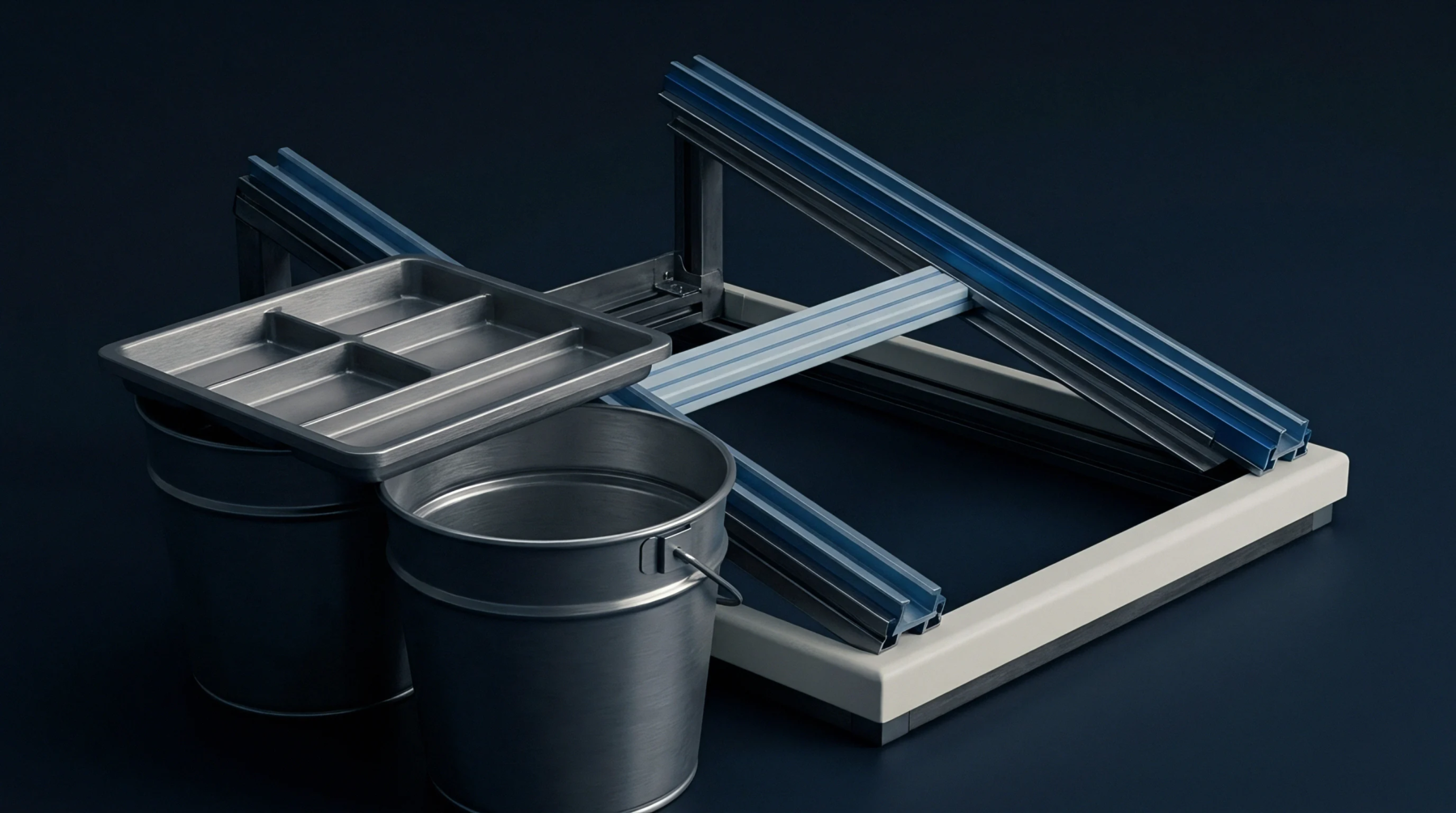
Non Isothermal Extrusion Boundary Layer Thermal Stability Diagnostics for Shear Sensitive Resins
Inline boundary diagnostic sensors prevent resin degradation by detecting shear induced thermal runaway micro spikes before extrudate damage occurs.
Inline boundary diagnostic sensors prevent resin degradation by detecting shear induced thermal runaway micro spikes before extrudate damage occurs.

High-velocity die flow modeling demands coupled non-isothermal viscosity functions to prevent thermal degradation and melt fracture from shear heating.

Non-isothermal melt rheology decouples drag and pressure flow through shear heating, requiring thermal mixing to stabilize viscosity and output dimensions.

Exceeding critical wall shear stress during high-throughput extrusion causes surface melt fracture, inflating scrap rates and destroying cash covenants.

Quantifying Mooney wall slip parameters across multiple capillary die radii prevents costly extrusion tooling rework and stabilizes polymer processing cash margins.

Dynamic boundary layer control requires matching tool thermal diffusivity to cycle frequency to restrict heat penetration within two millimeters of the cavity wall.

Thermal boundary layer growth governs active cavity flow clearance, pressure drop, and gate seal timing, setting the fundamental physical limit on cycle time.

Thin wall injection velocity must balance viscous dissipation heat spikes against gate clearance geometry to prevent local polymer backbone degradation.

Correcting raw capillary rheometry data for entry losses, shear gradients, and wall slip prevents costly tooling rework and protects gross margins.

Coupling free volume mass diffusion to transient mold heat transfer equations prevents premature part ejection and cycle time miscalculations.

Coupled thermo-rheological optimization aligns conformal channel paths with polymer melt heat dissipation to compress cycle times and eliminate part distortion.
Dynamic variothermal tooling control balances shear-thinning fluid flow and transient boundary heat transfer to eliminate surface defects and stress concentration.
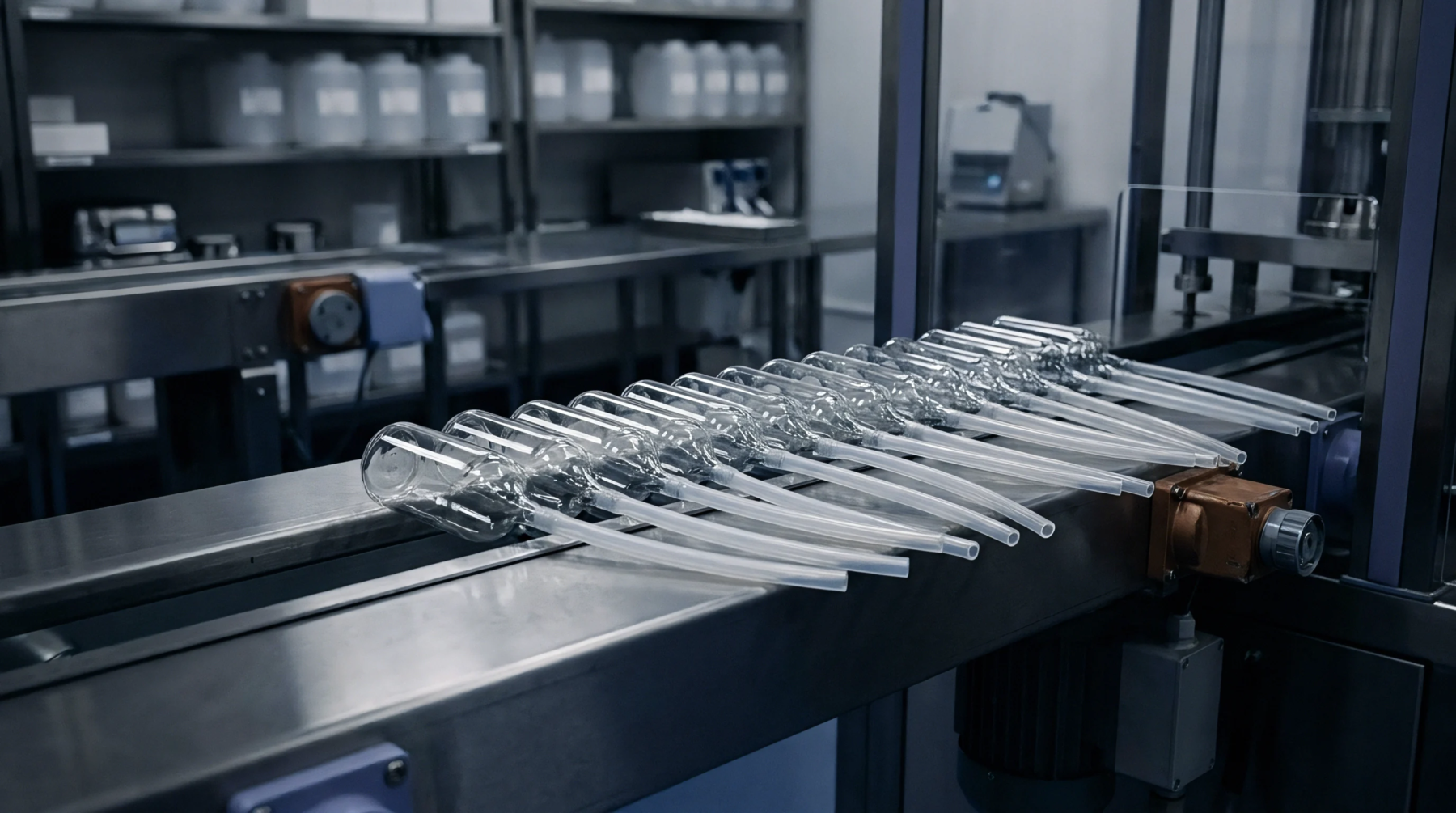
High throughput molding requires balancing injection velocity against viscous dissipation to prevent polymer chain scission and wall slip defects.
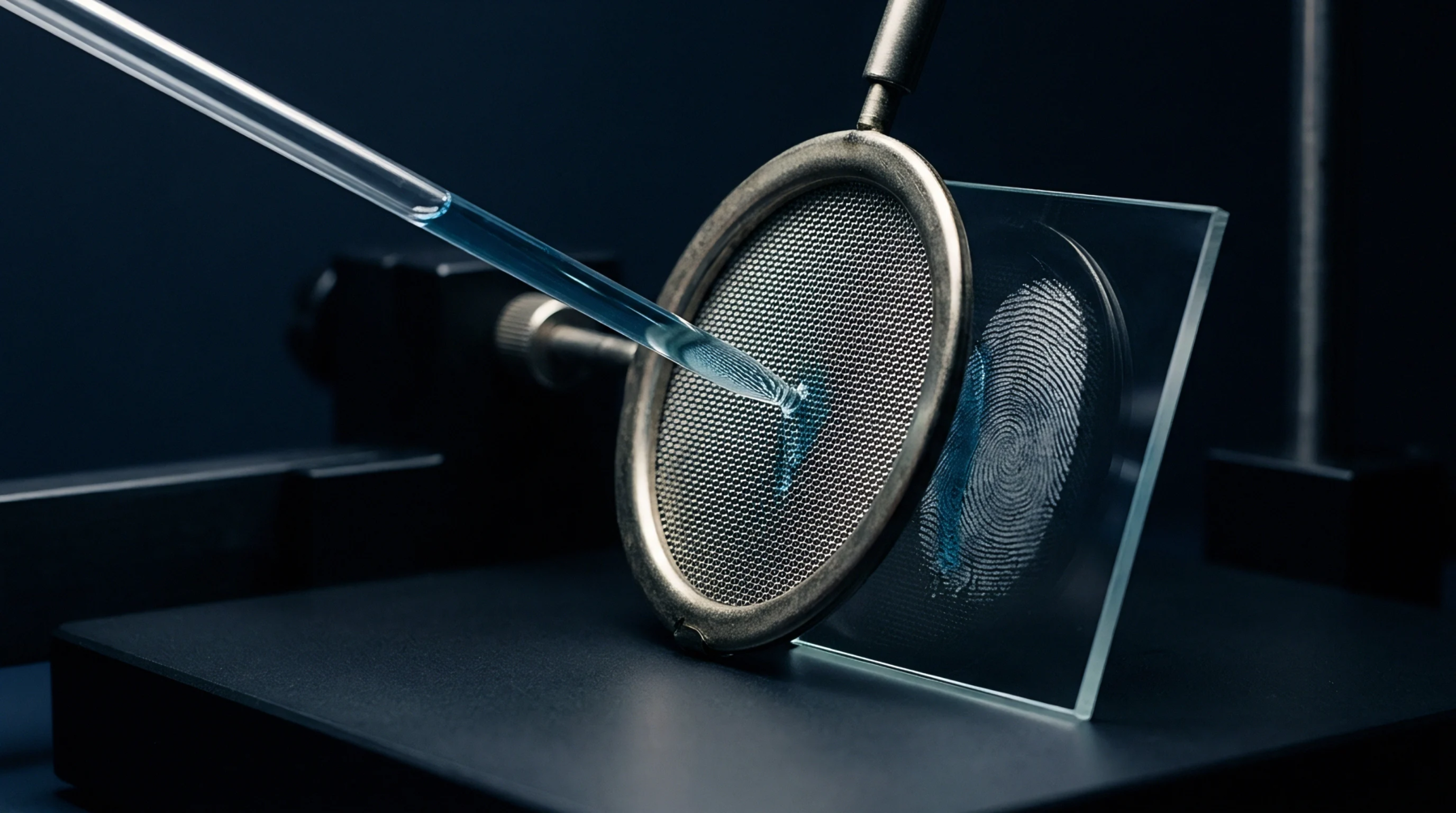
Multi cavity gate verification requires cavity-isolated statistical capability analysis and matched pressure integrals to prevent dynamic fill defects.

Melt temperature drift over 3 degrees Celsius shifts shear viscosity past structural tolerances, requiring active thermal balance before line acceleration.
Polymer melt elastic limits constrain extruder output, driving scrap rates and inventory holding costs that erode operating margin and strain lending covenants.
Expertise is a utility, not a secret. sentiention™ publishes its working knowledge as open reference: intelligence layer covering the materials it sources, the markets it enters, and the reference that serves both.