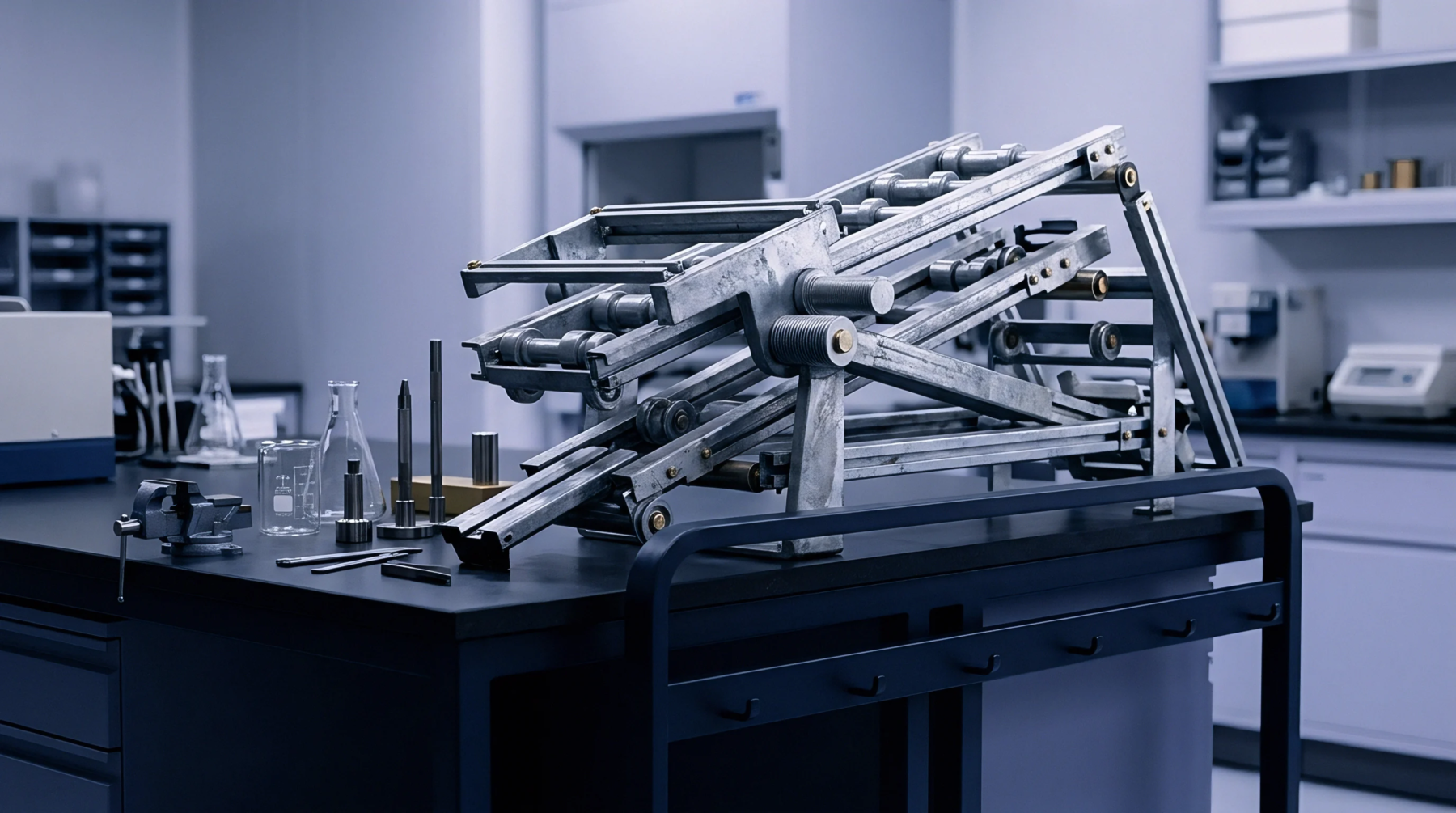
Predicting Stress Development and Incomplete Conversion in Thick Thermoset Tooling Runs
Predicting cure exotherms and volumetric shrinkage gradients prevents matrix cracking, low core conversion, and dimensional distortion in thick thermoset tools.
Predicting cure exotherms and volumetric shrinkage gradients prevents matrix cracking, low core conversion, and dimensional distortion in thick thermoset tools.
Cold work elevates downhole tubing dislocation density and residual tensile stress, sharply reducing K_ISSC thresholds and accelerating subcritical cracking.
Post-cure shrinkage in polymer micro-molding requires feature-specific tooling compensation and strict 48-hour environmental stabilization protocols.

Dynamic variothermal tooling control balances shear-thinning fluid flow and transient boundary heat transfer to eliminate surface defects and stress concentration.
Virtual finite element unclamping replaces physical checking fixtures by mathematically correcting free-state optical scans to verify flexible part compliance.

Cold work in austenitic alloy tubing accelerates stage II stress corrosion crack growth up to 4.5E-7 m/s when stress intensity exceeds critical thresholds.
Expertise is a utility, not a secret. sentiention™ publishes its working knowledge as open reference: intelligence layer covering the materials it sources, the markets it enters, and the reference that serves both.