Structuring Step in Operating Rights and Utility Headroom Securitization in Shared Manufacturing Facilities
Securitizing utility headroom in shared manufacturing plants requires binding peak-draw limits, sub-metered demarcation, and enforceable operational step-in rights.


Allocation
Shared industrial manufacturing campuses operate under strict utility headroom limits that cap peak production long before line space or labor constraints come into play. When multiple tenant operators share centralized high-voltage electricity feeds, high-pressure steam headers, industrial chilled water loops, reverse osmosis water generation systems, and effluent treatment systems, individual tenant draws directly reduce the operational headroom left for co-located occupiers. Securitizing this headroom requires turning physical distribution limits into binding commercial instruments, backed by real-time metering and clear priority hierarchies.
Establishing an unencumbered utility headroom rating starts at the central facility header, where primary transformation and distribution assets connect to public municipal utilities or private power plants. Tracking the spread between contractually reserved power draw and verified transformer mainboard capacity across multi-tenant sites reveals significant operational gaps. A facility with a twenty-megawatt nameplate substation capacity often carries existing interconnect agreements capping total campus draw at sixteen megavolt-amperes due to grid operator distribution constraints.
Allocating headroom based on nameplate values creates immediate plant instability when co-located occupiers simultaneously attempt to run high-load thermal processes.

Infrastructure Capacity and Shared Facility Headroom
Distribution networks inside multi-tenant industrial parks transfer utility media through common manifolds where local pressure drops and voltage sags affect neighboring tenant equipment. In high-purity biopharmaceutical and semiconductor manufacturing plants, a three-bar drop in chilled water header pressure trips high-heat bioreactor cooling systems or automated cleanroom air handling units. Securitization structures must account for hydraulic and thermal dynamics within the internal pipework, rather than treating total campus supply as a simple arithmetic pool.
Line losses, terminal header friction, and transformer power factor degradation all erode the effective utility headroom delivered to individual tenant connection points.
Headroom reservations secured without clear physical measurement criteria expose tenants to sudden curtailment. Sub-metering arrays at each tenant interface point must measure instantaneous demand alongside cumulative volumetric consumption. Standard power meters reporting average hourly kilowatt-hour usage fail to register ten-second thirty-percent surge currents generated when heavy industrial motors start up.
These unmeasured transient spikes cause main board breakers to trip, shutting down shared utility headers and corrupting active production batches in neighboring cleanrooms or automated assembly lines.
Co-location utility headroom securitization contracts specifying maximum peak electrical draw below five hundred kilovolt-amperes require transient monitoring with ten-millisecond sampling intervals to maintain main distribution board stability.
Utility headroom securitization contracts structure available capacity into three distinct tiers: primary firm headroom, interruptible secondary headroom, and emergency reserve headroom. Firm headroom gives a tenant absolute, non-curtailable rights to draw specified media quantities up to contractually defined limits. Secondary headroom allows tenants to purchase dynamic excess headroom available during off-peak shifts or temporary tenant plant shutdowns, subject to automated load shedding when total facility load hits primary safety limits.
Emergency reserve headroom stays locked at all times to prevent catastrophic system collapse during main supply line outages.

Contractual Utility Reservations and Demand Peaks
Commercial framework agreements govern how tenants claim and hold utility headroom within shared industrial assets. Over-allocation occurs when facility hosts sell headroom rights based on non-simultaneous demand assumptions that prove false during peak operational seasons. A chemical processing campus hosting four independent tenant plants may contractually commit one hundred twenty percent of its total effluent treatment hydraulic capacity, assuming staggered production schedules.
When market demand forces all four tenants into simultaneous batch processing, the central effluent plant overflows, forcing emergency production halts and regulatory violation reporting.
Preventing system over-allocation involves continuous verification of historical consumption curves against active order book commitments. Multi-tenant manufacturing facility agreements enforce financial penalties for unannounced peak demand generation. The failure modes associated with poorly structured utility headroom distribution systems extend beyond immediate supply interruptions, directly corrupting facility financial structures and operator production schedules.
- Transformer Phase Imbalance Sudden single-phase industrial equipment start-ups cause voltage drops across shared sub-distribution boards, destroying sensitive automated diagnostic machinery in adjacent tenant bays.
- Thermal Effluent Saturation Uncoordinated hot process washdowns exceed central effluent heat exchanger capacity, raising discharge temperatures above municipal regulatory limits and forcing facility shutdown.
- Compressed Air Pressure Droop Unannounced continuous high-volume purging by one tenant reduces central compressed air header pressure below five bar, halting pneumatic valves across all co-located lines.
- Chilled Water Delta T Collapse Excessive thermal loads returned from tenant cooling jackets reduce central chiller heat transfer efficiency, lowering overall facility cooling tonnage by twenty percent.
When utility headroom securitization structures fail to account for simultaneous peak loading patterns across co-located tenant facilities, host operators incur extreme municipal surcharge penalties that destroy operating margins across the enterprise.


Fuse
Physical utility limitations act as absolute operational gates that instantly restrict line throughput regardless of contractual agreements or tenant production priorities. Main incoming switchgear breaker settings, gas line pressure regulator orifices, and effluent discharge pipe diameters enforce strict upper bounds on energy and fluid movement. Ignoring physical header hydraulics when drafting utility headroom contracts creates recurring trip events that halt manufacturing operations across shared industrial complexes.
High-voltage electrical networks serving shared manufacturing spaces rely on coordinated protective relay schemes to isolate electrical faults before damage propagates back to the primary substation. Breaker coordination studies determine the precise trip thresholds and time-delay curves for every circuit breaker between the main grid intertie and the tenant sub-panel. If a tenant introduces heavy reactive electrical loads without localized power factor correction, the resulting harmonic distortion and phase imbalance increase total current draw, blowing main busbar protective fuses and cutting power to co-located tenants.

Thermal and Electrical Capacity Thresholds
Electrical headroom securitization demands detailed analysis of thermal dissipation limits inside transformer vaults and main cable conduits. Heavy current flow generates heat proportional to the square of the current multiplied by circuit resistance. Underground cable banks containing multiple high-voltage circuits suffer from thermal interference, where heat generated by one tenant’s continuous heavy load reduces the current-carrying capacity of adjacent conductors.
Operating cable runs above eighty-five degrees Celsius accelerates insulation degradation, triggering catastrophic short-circuit faults that shut down manufacturing operations for days.
Chilled water and steam headers exhibit similar physical saturation boundaries governed by fluid dynamics. Water velocity inside distribution piping cannot exceed three meters per second without causing accelerated pipe wall erosion, cavitation, and severe water hammer shockwaves during valve actuation. When co-located tenants simultaneously open control valves to cool large chemical reactors or thermal processing units, distribution header pressure drops rapidly.
Low pressure reduces coolant flow through heat exchangers, leading to uncontrolled thermal excursions in active manufacturing batches.
| Utility Media Stream | Physical Limit Constraint | Nominal Operating Range | Critical Trip Level | Dynamic Load Shed Action |
|---|---|---|---|---|
| High Voltage Power (11kV) | Busbar Thermal Loading | 450 A to 600 A | 720 A (10 sec) | Isolate Secondary Tenant Feeder |
| Chilled Water Supply (6°C) | Header Pressure Delta | 4.5 bar to 5.5 bar | 2.8 bar (instant) | Close Non-Essential Cooling Valves |
| Process Steam (10 bar) | Flow Velocity Limit | 15 m/s to 25 m/s | 38 m/s (continuous) | Throttle Thermal Processing Lines |
| Compressed Air (8 bar) | Dew Point Saturation | -40°C to -20°C PDP | -5°C PDP (5 min) | Diverts Air to Dryers Only |
| Effluent Discharge | pH Neutralization Rate | pH 6.5 to pH 8.5 | pH < 5.0 / > 10.0 | Close Facility Outfall Valve |
| Methods Note: Threshold values compiled from standardized multi-tenant industrial park central facility engineering logs operating under active 2024 utility service level agreements. | ||||
Process steam supply lines require rigid adherence to thermal velocity boundaries to prevent condensation accumulation and severe mechanical damage. Dry saturated steam moving through main headers must remain within designed pressure bands to deliver the energy required for heavy industrial sterilizers and chemical process reboilers. High steam demand from one tenant drops line pressure, causing steam velocity to rise dramatically.
High velocity carries condensate droplets through the pipe, creating water hammer impacts that break pipe supports and fracture header valve housings.

Effluent and High Purity Media Constraints
Industrial wastewater discharge systems represent one of the most tightly regulated utility bottlenecks in shared manufacturing facilities. Municipal environmental permits impose strict concentration and mass-loading limits on total dissolved solids, heavy metals, biological oxygen demand, and chemical oxygen demand. A tenant discharging concentrated acidic wash solutions without pretreatment exhausts the neutralizing capacity of the central wastewater treatment facility.
Over-acidic effluent corrodes discharge pumps, destroys biological treatment scrubbers, and causes immediate municipal shut-off mandates that halt all plant production.
Standard lease agreements governing industrial utility infrastructure stipulate that failure to maintain effluent discharge pH within defined limits authorizes host operators to physically isolate tenant discharge lines within fifteen minutes of detection.
High-purity utility loops, including reverse osmosis water and water for injection networks, operate under strict continuous circulation protocols to prevent bio-film growth and mineral deposition. Demarcation valves connecting tenant equipment to central high-purity water headers must maintain positive pressure differentials at all times. A sudden drop in header pressure caused by excessive tenant withdrawal allows stagnation in distribution loops, promoting bacterial growth that contaminates the entire shared utility supply and invalidates batch records across the facility.
Compressor plant utility headroom securitization demands careful management of air drying and filtration systems. High compressed air flow rates reduce air residence time inside desiccant drying towers, causing pressure dew points to rise. Moisture condensing inside pneumatic distribution lines destroys precision automation valves and contaminates cleanroom spaces.
Main facility header pressure drops below safe threshold levels when aggregate demand spikes, leading automated safety systems to cut supply to secondary manufacturing zones.
When facility utility demand exceeds physical header infrastructure capacity, central switchgear overload settings leave no option but to cut sub-feeder breakers without advance warning to prevent main transformer burnout.


Demarcation
Clear physical and legal boundaries between shared utility infrastructure and tenant manufacturing equipment prevent operational friction, safety liability disputes, and unmetered resource consumption. The exact point where facility liability ends and tenant operating responsibility begins defines the legal boundary for all maintenance, utility metering, safety compliance, and emergency step-in actions. Without precise physical demarcation points defined by isolated valve manifolds and dedicated meter arrays, cross-contamination disputes and unmetered utility draws derail shared manufacturing operations.
Examining the physical transfer points where tenant piping meets host facility header systems identifies unmetered taps. Physical demarcation points must contain double-block-and-bleed valve assemblies, calibrated sub-meters, primary electrical circuit breakers, and lockable safety isolation disconnects. These physical interfaces ensure that host operators and tenant engineers can perform isolated maintenance or safety lock-outs without interrupting operations in adjacent tenant bays or cleanrooms.

Physical Boundaries and Shift Time Ownership
Defining shift time allocation and facility operating rights requires translating production schedules into binding physical access contracts. In shared facilities running high-value batch processing operations, line handovers and shift changes represent points of severe operational risk. Operating rights agreements define exact time windows for line access, equipment preparation, utility drawdown, and cleaning validation.
A tenant who overruns their assigned shift window steals utility headroom and physical line availability from the incoming tenant, creating massive operational backlogs.
Line ownership handovers require formal physical sign-off protocols backed by automated environmental and utility monitoring data. Environmental monitoring systems must confirm that cleanroom air change rates, particulate counts, and temperature levels meet baseline specifications before the incoming tenant assumes operational control. If the outgoing tenant leaves cleanroom environments contaminated or utility systems exhausted, the incoming tenant holds contractual rights to reject line handover, triggering automated financial penalties against the defaulting party.
Operating rights demarcation contracts enforcing strict shift turnover windows impose pre-determined late fees accrued in fifteen-minute increments when outgoing tenants fail to clear shared bay spaces on time.
Physical utility isolation points require standardized labeling, lock-out tag-out hardware, and physical security enclosures to prevent unauthorized adjustment by tenant staff. Uncontrolled opening of isolation valves by untrained tenant technicians can depressurize shared steam headers or introduce toxic chemical backflows into centralized utility lines. Installing automated backflow prevention check valves and remotely monitored smart valves ensures that host facility management retains ultimate control over system isolation and fluid directional control.
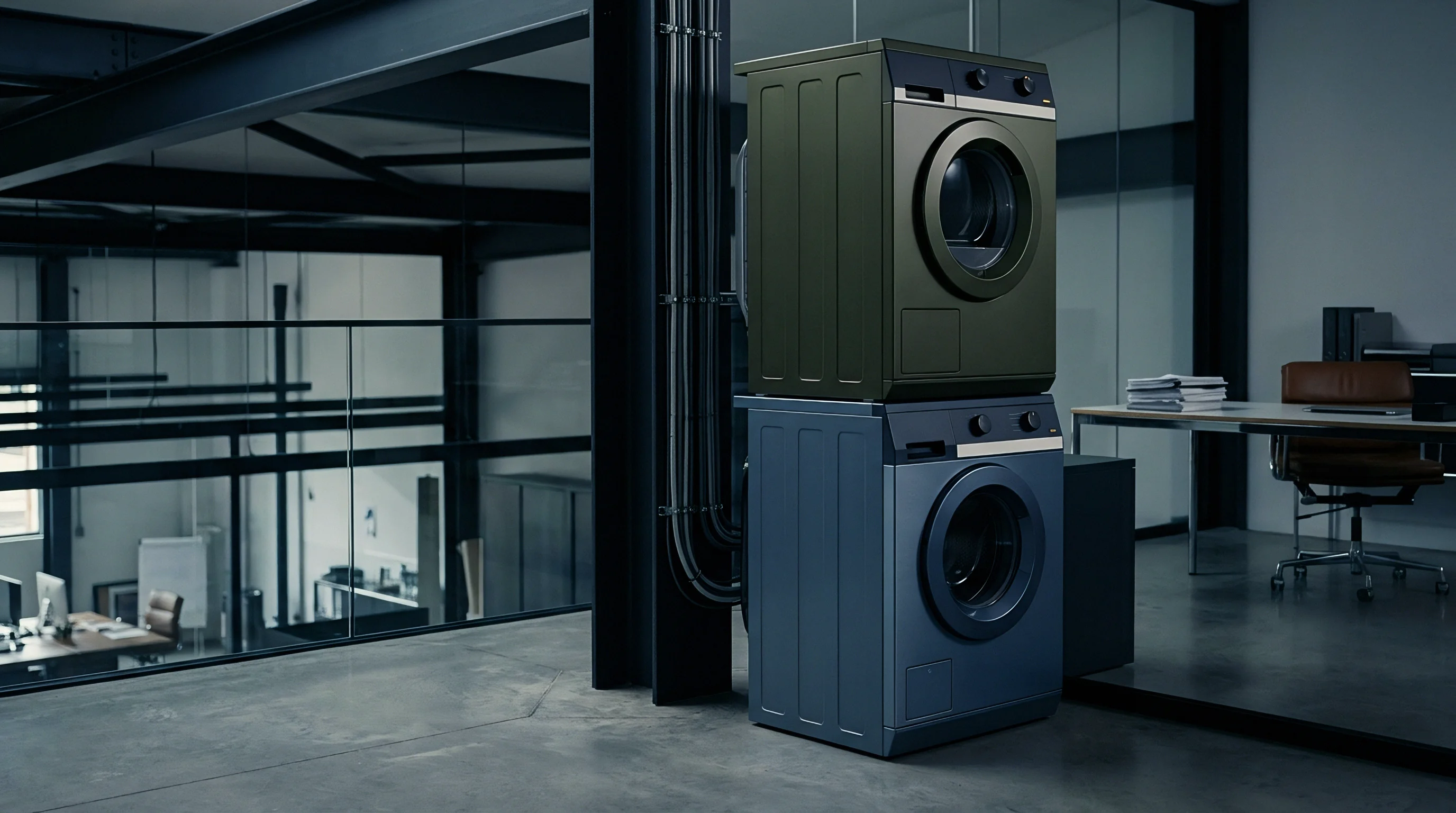
Operating Rights in Multi Tenant Facilities
Structuring operational access rights inside multi-tenant plants requires balance between individual tenant operational flexibility and host facility security requirements. Contracts must clearly define rights to access shared loading docks, material staging areas, chemical storage vaults, and hazardous waste holding areas. Conflicts arise when one tenant monopolizes shared staging areas, blocking the physical movement of critical raw materials or finished products required by co-located occupiers.
- Sub-Meter Calibration Baseline Verify that all revenue-grade sub-meters installed at the physical demarcation manifold carry certified calibration records conforming to ISO/IEC 17025 standards before signing utility access agreements.
- Isolation Valve Locking Access Ensure double-block-and-bleed valve assemblies at physical utility boundaries feature dual-key padlocks requiring both host operator and tenant technician presence for manual override operations.
- Environmental Clearance Sign-Off Execute automated cleanroom particle count checks and surface swab validations before completing shift handover transfers between consecutive tenant manufacturing runs.
- Shared Staging Bay Allocation Enforce strict maximum stay durations for incoming raw material palettes placed within common staging areas to prevent transport corridor blockage.
- Emergency Shut-off Protocol Authorization Document named individuals authorized to actuate main utility isolation breakers during critical facility emergencies without incurring contractual operational stoppage penalties.
Operating rights documentation defines maintenance access protocols for shared utility infrastructure running through private tenant spaces. Host facility technicians require defined rights of entry to inspect main structural columns, electrical risers, and central header pipework located inside leased tenant bays. Contracts specify advance notice requirements for scheduled utility maintenance, defining strict windows during non-peak production hours to minimize manufacturing disruption.
Standard master service agreements for shared manufacturing spaces dictate that any physical alteration to utility distribution manifolds performed without formal host engineering authorization constitutes an immediate material breach, forfeiting tenant operating rights across the facility.


Remedy
Operational step-in rights grant host facility managers or securitized utility lenders the legal and physical authority to assume control over tenant manufacturing lines during severe operational or safety failures. Step-in mechanisms protect co-located manufacturing assets, shared utility systems, and environmental compliance permits from damage caused by tenant neglect, insolvency, or gross operational incompetence. Without clear step-in legal provisions, host operators remain helpless while a failing tenant corrupts shared facilities or causes massive utility supply failures across the site.
Step-in procedures trigger only under strictly defined operational default conditions. These triggers include continuous breach of utility draw limits, failure to comply with environmental permit mandates, physical damage to shared facility structures, operational abandonment of hazardous processes, or complete failure to pay securitized utility reservation fees. Trigger events must be validated through real-time automated telemetry or independent third-party engineering audits to prevent arbitrary operational takeover by host management.

Operational Interventions and Step in Mechanics
Executing an operational step-in requires pre-structured workflows that define immediate physical control transfer, staff replacement protocols, and line stabilization procedures. Once a step-in notice is served, host facility engineering teams gain immediate physical access to tenant control rooms, utility manifolds, and automated line switchgear. Host engineers hold absolute authority to throttle process lines, safely shut down runaway chemical batch runs, or isolate failing high-voltage equipment to protect site integrity.
Operational control transfer mechanics must explicitly detail how host personnel interface with proprietary tenant manufacturing equipment. Host technicians focus exclusively on stabilizing utility draw, securing hazardous materials, and returning cleanroom spaces to safe baseline conditions. Step-in teams do not take over batch production for market distribution; their sole operational mission is risk containment and shared asset protection.
Clean-down procedures clear contamination risks before lines restart.
| Step-In Trigger Event | Verification Evidence Baseline | Notice Window Duration | Operational Takeover Scope | Financial Cure Threshold |
|---|---|---|---|---|
| Continuous Effluent Acidification | pH < 4.0 for > 30 minutes continuous | 15 Minutes (Immediate) | Isolate Process Drain & Halt Washdown | Full Pre-treatment Cleanup Surcharge |
| Substation Phase Imbalance Surge | Harmonic Distortion > 8% total | 1 Hour (Warning) | Open Tenant Main Sub-Feeder Breaker | Power Factor Correction Equipment Deposit |
| Unpaid Utility Headroom Fees | Default > 60 days past invoice date | 5 Business Days | Restrict Headroom to Baseline Minimum | 100% Outstanding Fee Clearing Settlement |
| Hazardous Chemical Spillage | Gas Sensor Array Activation Alarm | 0 Minutes (Instantaneous) | Full Facility Lockout & Vent Isolation | Complete Decontamination Remediation Costs |
Cure periods provide failing tenants a strictly timed opportunity to fix operational non-compliance before permanent facility forfeiture occurs. Cure periods for utility over-draw or environmental non-compliance are necessarily brief, ranging from fifteen minutes for critical effluent breaches to seventy-two hours for administrative utility securitization defaults. If the tenant fails to cure the operational defect within the mandated timeframe, the host operator holds full contractual authority to terminate the lease, purge tenant equipment from utility lines, and reallocate the securitized headroom to incoming occupiers.

Cure Periods and Operator Takeover Workflows
Financial cure mechanisms run alongside physical intervention protocols. When a host operator steps in to manage a tenant operational default, all costs incurred during the takeover are billed directly to the defaulting tenant or drawn from securitized letters of credit. These costs include specialized engineering contractor fees, emergency utility surcharges, hazardous waste disposal charges, and legal expenses required to enforce physical step-in actions.
Executing an operational takeover step demands strict adherence to sequential legal and technical steps to avoid post-intervention litigation from defaulting tenant investors.
- Issue formal electronic and physical Notice of Operational Default to named tenant executive contacts citing real-time sub-metering data logs proving baseline parameter breach.
- Dispatch certified host facility engineering team to physical demarcation manifold with security escort to verify site access rights and safety lock-out hardware integrity.
- Actuate automated utility isolation valves and trip tenant main electrical breakers if tenant fails to acknowledge emergency intervention notice within contractually defined minute windows.
- Assume direct operational control over localized utility distribution interface, purging non-compliant gas or liquid streams into designated containment vessels.
- Deploy third-party environmental auditing engineers to conduct comprehensive contamination assessments and issue formal site stabilization certificates.
- Transfer physical line control back to tenant designated operators only upon full receipt of certified financial cure funds and executed technical remediation plans.
Line control stabilization marks the final phase of operational intervention before host personnel stand down. Restoring tenant operating rights requires formal re-qualification of physical sub-metering systems and environmental containment controls. If a tenant repeatedly triggers operational step-in interventions, contractual recourse provisions allow the host operator to permanently convert firm utility headroom allocations into interruptible secondary allocations, permanently restricting tenant line throughput capacity.
Operational step-in execution protocols rely on the general rule of thumb that any delay exceeding fifteen minutes in isolating a non-compliant industrial wastewater stream results in a tenfold increase in total site remediation costs.


Covenant
Financial recourse covenants structure the credit support mechanisms that guarantee tenant utility headroom reservation fees and fund potential facility remediation costs. Utility headroom securitization is fundamentally a financial credit assignment problem where host facility owners commit long-term capital to build high-capacity infrastructure based on tenant future revenue promises. Without strong recourse covenants backed by liquid collateral instruments, host facility owners face severe financial ruin when an anchor tenant fails, leaving massive unutilized infrastructure debt service costs behind.
Securitization covenants demand that tenants maintain specific financial coverage ratios alongside physical draw compliance. Letters of credit, escrow reserves, parent company guarantees, and direct asset liens form the secondary shield protecting host capital investments. If a tenant experiences credit degradation or operational insolvency, these financial covenants allow host operators to pull cash directly from escrow accounts to satisfy ongoing utility capacity reservation obligations, long before standard bankruptcy proceedings lock up tenant physical assets.

When Does Headroom Securitization Fall under Financial Recourse?
Financial recourse mechanisms activate when physical headroom allocation transforms into uncompensated facility carrying cost. When a tenant reserves ten megavolt-amperes of power headroom but operates at only two megavolt-amperes due to market demand slumps, the host operator remains legally bound to pay grid operators for total reserved capacity. Recourse covenants enforce minimum take-or-pay fee structures, ensuring that the tenant pays for total securitized headroom regardless of actual volumetric consumption levels.
Leaving uncommitted headroom uncollateralized drives a seventeen percent escalation in annual fixed facility charges across shared chemical processing plants. Take-or-pay utility covenants convert variable operating expenses into fixed financial liabilities for tenant operators. If a tenant defaults on take-or-pay obligations, cross-default clauses inside lease agreements trigger immediate access to tenant bank security deposits or corporate surety bonds.
Take-or-pay utility headroom covenants requiring minimum quarterly financial settlements of eighty-five percent of total reserved capacity prevent host facility revenue shortfalls during tenant market downturns.
Lien structures placed on tenant production equipment provide ultimate financial recovery options for host operators funding specialized utility infrastructure expansions. Equipment liens must be formally registered under commercial lending registers, securing secondary priority rights behind primary asset-backed lenders. In high-value manufacturing facilities, cleanroom specialized equipment, bioreactor skids, and automated packaging lines serve as pledgeable collateral to guarantee long-term utility headroom securitization contracts.

Lien Mechanics and Collateral Structure
Collateral valuations undergo dynamic quarterly adjustments based on equipment depreciation, operational wear, and market liquidity shifts. If tenant physical asset valuations fall below specified debt service coverage thresholds, recourse covenants compel the tenant to post additional liquid cash deposits or extend bank letters of credit. Failure to maintain mandatory collateral ratios constitutes a financial default, authorizing host operators to restrict physical utility headroom allocations until capital balances are fully restored.
Inter-creditor agreements settle the priority hierarchy between tenant primary equipment lenders and host facility infrastructure owners. Primary equipment lenders often demand absolute security over tenant processing machinery, resisting host asset liens. Negotiating inter-creditor boundaries involves creating tripartite covenants where equipment lenders agree to cure tenant utility defaults directly to prevent host operators from executing physical line step-in actions that shut down pledged equipment.
Evaluating multi-tenant asset credit structures raises the unresolved technical legal issue of whether dynamic utility headroom rights can be legally unbundled from real property lease deeds and traded as independent collateral securities in secondary financial markets.
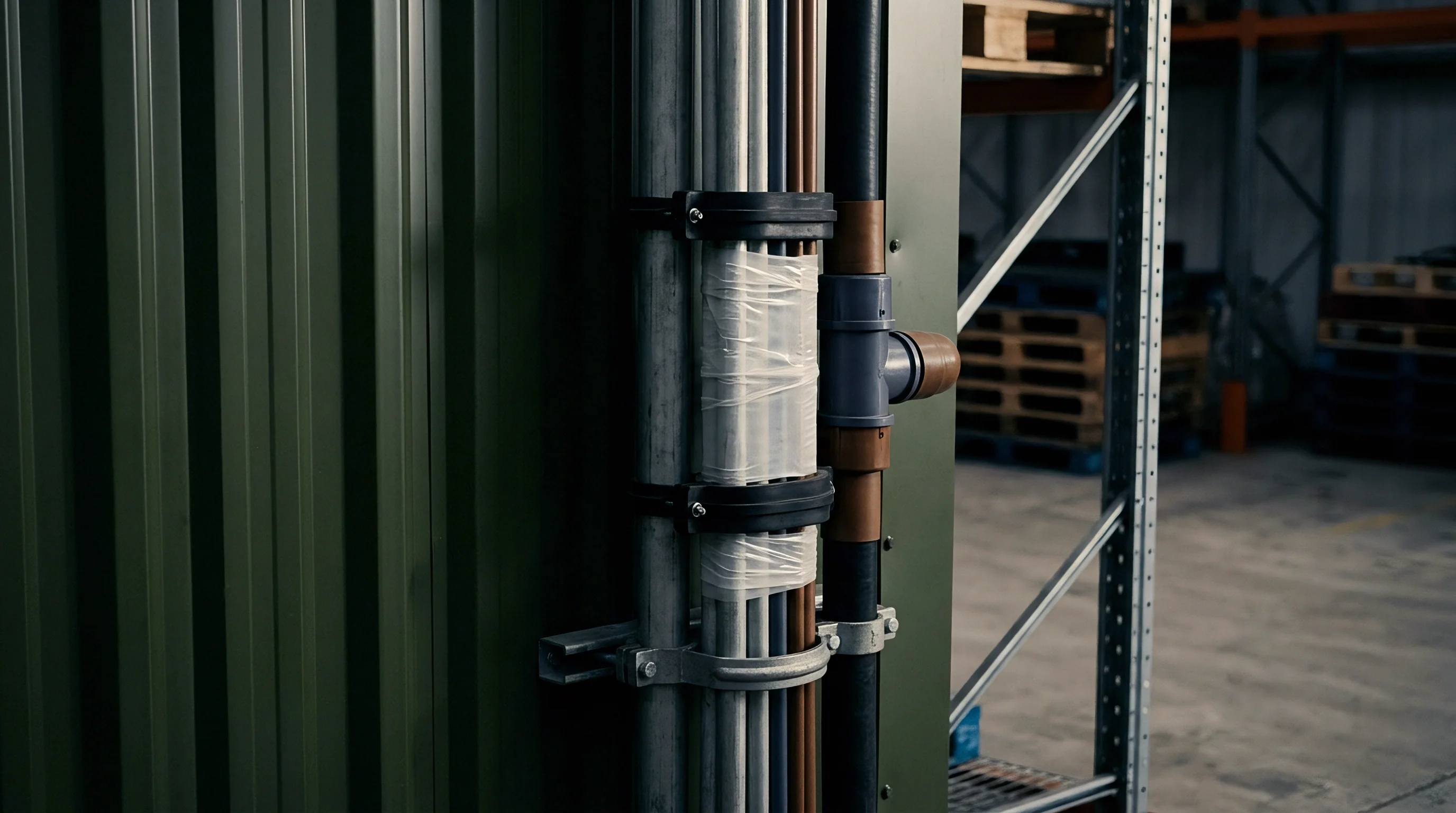

Reconciliation
Periodic utility billing true-ups and headroom allocation adjustments reconcile actual physical consumption logs against advance contractual reservations. Shared manufacturing facilities operate dynamic energy and media environments where tenant production variations create daily imbalances between predicted and actual utility usage. Automated true-up mechanisms balance the financial books, distributing peak demand surcharges fairly while reallocating unused secondary headroom to tenants operating high-volume production schedules.
Metering infrastructure governance forms the absolute foundation of transparent utility true-up accounting. Every revenue-grade sub-meter installed at physical demarcation points must collect time-stamped draw data at maximum fifteen-minute integration intervals. Data logs automatically upload to centralized facility management software, generating immutable audit trails accessible to both host accounting teams and tenant financial controllers.

True up Calculations and Peak Penalty Distribution
Calculating monthly utility true-ups involves aggregating baseline volumetric consumption charges, fixed capacity reservation fees, and localized peak penalty distributions. When total facility demand triggers municipal utility peak demand surcharges, host accounting systems analyze sub-meter interval data to identify the precise tenant responsible for creating the demand spike. Surcharges pass directly through to the specific tenant whose operational surge exceeded contractually reserved peak draw boundaries.
Unused utility headroom rebalancing allows host operators to maintain high overall facility efficiency while offering secondary financial discounts to active occupiers. If tenant sub-metering logs confirm that a primary headroom holder consistently underutilizes reserved power or steam capacity by more than thirty percent over a consecutive three-month period, contractual rebalancing clauses authorize the host operator to claw back unneeded capacity. Reclaimed capacity converts into interruptible secondary headroom offered to co-located tenants who require short-term expansion capacity.
| Reconciliation Variable | Measurement Metric Unit | Base Contract Allocation | Variance Settlement Formula | Adjustment Frequency |
|---|---|---|---|---|
| Base Electric Volumetric | Kilowatt-Hours (kWh) | Actual Sub-meter Draw | Standard Tariff Rate per kWh | Monthly Billing Cycle |
| Electric Peak Demand Fee | Kilovolt-Amperes (kVA) | Reserved Baseline Threshold | 200% Surcharge on Excess kVA | Instantaneous Event True-Up |
| Chilled Water Thermal Load | Ton-Hours / Delta T | Nominal Delta T (6°C drop) | Penalty Fee per Degree Low Delta T | Monthly Billing Cycle |
| Effluent Mass Loading | Kg COD / BOD per Day | Pre-treatment Permit Limit | Pass-through Municipal Surcharge | Weekly Composite Sampling |
| Secondary Headroom Fee | Percentage Unused Capacity | Dynamic Pool Draw | 15% Discount on Standard Base Rate | Monthly True-Up Adjustment |
| Summary Note: Dynamic reconciliation formulas apply automatically across all sub-metered utility demarcation points to balance enterprise financial charges against physical campus draw. | ||||
Reconciliation transparency depends heavily on automated data logging systems that prevent manual record tampering or retroactive billing manipulation. Smart contracts built into enterprise facility management systems execute true-up calculations automatically upon the close of each billing cycle. Automated invoice generation reduces administrative disputes between host finance managers and tenant operational directors, establishing clear, objective financial settlements based on verified physical telemetry.

Audit Trails and Metering Point Governance
Audit trail validation protocols give tenants formal rights to challenge utility true-up invoices through independent third-party engineering reviews. If a tenant disputes a peak demand penalty charge, independent meter calibration testing determines whether sub-meter drift contributed to false surge readings. If sub-meter accuracy strays beyond industry tolerance thresholds, billing records adjust retroactively, and host operators fund the cost of meter recalibration and replacement.
Verifying sub-metering calibrations against certified reference standards precedes annual utility true-up adjustments. Annual audit reviews ensure that all physical demarcation meters, data loggers, and automatic isolation valves perform within strict technical tolerances. Audits examine historical shift logs, line handover records, and environmental telemetry to confirm that utility headroom allocations were maintained in accordance with master service agreements.
Long-term utility headroom securitization strategy relies on continuous alignment between physical plant capacity, legal step-in enforceability, and dynamic financial reconciliation systems. As manufacturing technologies evolve toward higher energy densities and continuous processing models, structuring rigid operating rights and utility covenants protects infrastructure capital while providing multi-tenant operations the precise utility headroom necessary to sustain enterprise scale.