Meaning
Polymer components produced through high-pressure injection equipment possessing sub-millimeter features and tight tolerances demand specialized tooling. Micro molded parts satisfy these strict geometric requirements for medical devices and electronic connectors. Thermal stability during the injection cycle determines whether micro molded components achieve dimensional compliance or warp beyond acceptable limits.
Tooling Cavity
High cavity precision separates successful production runs from costly scrap events. Toolmakers machine micro molded components using specialized milling and electrical discharge machining methods to hold micrometer tolerances. Cavity wall friction exerts disproportionate resistance against tiny polymer shots during filling, requiring high injection pressures and rapid clamp stabilization.
Thermal expansion differentials between steel tooling inserts and polymer melts dictate cooling channel placement inside the mold base.
Shot Calibration
Small dosing volumes expose machine capabilities to severe shot-to-shot variation. Micro molded components require dedicated micro-injection molding presses featuring screw diameters under fourteen millimeters to limit residence time degradation. Barrel residence control protects engineering thermoplastics from thermal breakdown before the plunger forces the melt through the gate.
Yield Audit
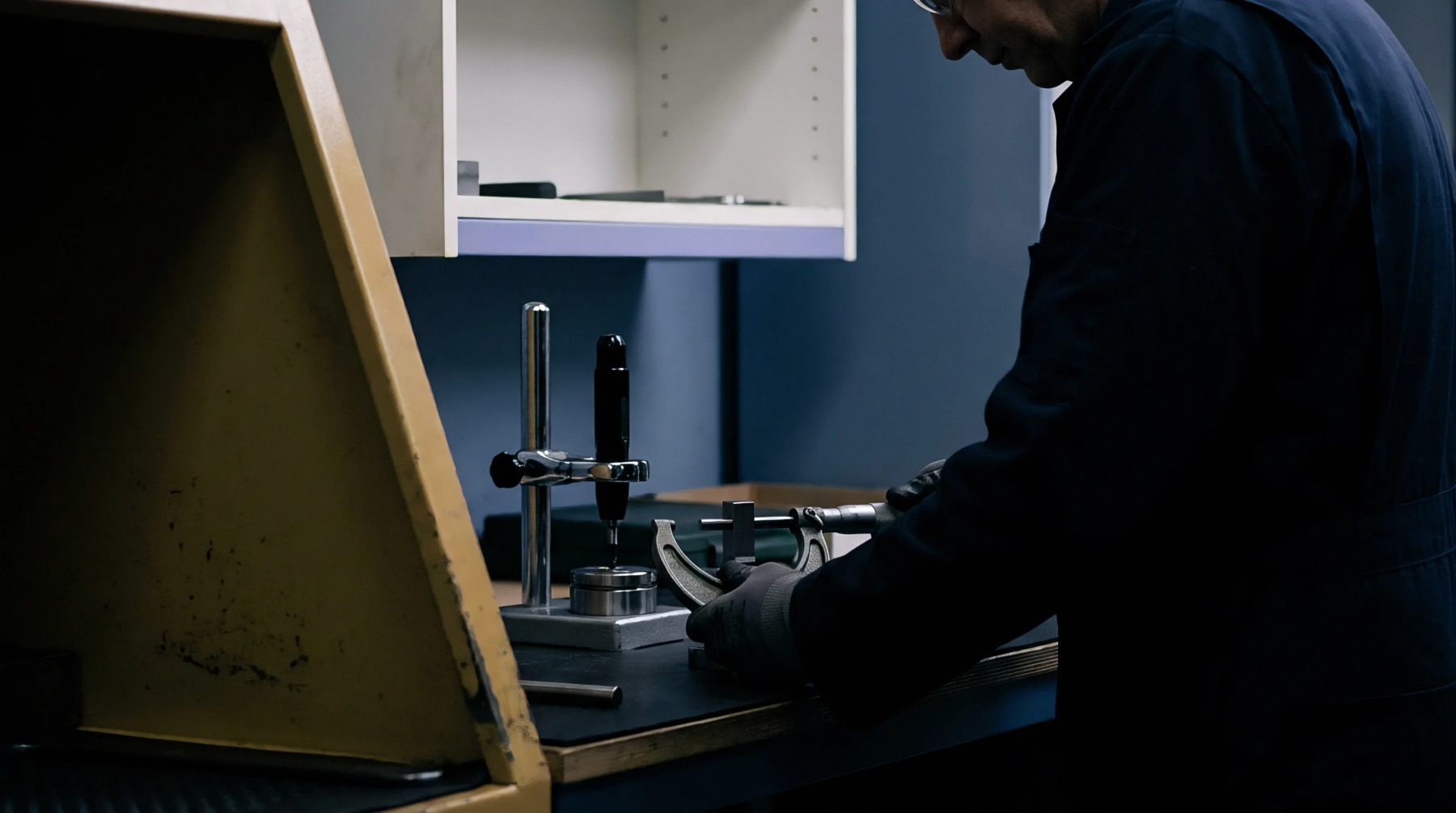
Process capability indices demonstrate whether a production line maintains stability across extended manufacturing shifts. Micro molded components undergo dimensional screening via optical measurement systems rather than mechanical gauges that risk deflecting fragile part geometries. Destructive burst testing verifies structural integrity on statistically sampled lots pulled from production runs.
Part rejection costs mount rapidly when thermal instability during cavity filling goes undetected prior to downstream assembly.