First Pass Yield under Volume Pressure and Overtime
Sustained volume pressure and overtime degrade first pass yield by driving operator motor fatigue, machine thermal drift, and deferred maintenance routines.


Strain
Extended shifts wear down motor control, visual acuity, and reaction times in predictable patterns across the floor. When a facility moves from a standard five-day, eight-hour schedule to running sixty continuous hours a week, station-level defect rates spike almost immediately. Line speeds rarely drop during volume surges, forcing exhausted operators to rush precise manual work.
Micro-sleeps, delayed reactions, and numbness in the hands build up rapidly past the eight-hour mark.
Quality drops sharply as overtime drags on. Over the first two hours of daily overtime, first-pass yield usually dips only one or two percent as workers adapt to extended standing or sitting. Past the tenth hour, defects multiply quickly.
Manual assembly, soldering, harness routing, and visual inspection suffer first; repeatable fine movement breaks down as peripheral muscles run out of glycogen and local inflammation sets in.

Human Motor Precision Decay
Biomechanical stability governs component insertion, fastener torque, and fine alignment. On precision sub-assembly lines, hand tremor increases by over forty percent after ten consecutive hours. Line operators skip secondary torque verification during the tenth hour of consecutive night shifts.
That increase in tremor translates directly into misaligned surface-mount components, stripped threads, and improperly seated seals. Trying to maintain line speed, operators substitute arm and shoulder effort for fine finger movement, concentrating stress in the assembled parts.
Touch sensitivity drops measurably on long shifts. Operators wearing nitrile or anti-cut gloves lose subtle pressure feedback, leading to erratic seating force on push-fit connectors and quick-disconnect lines. In high-speed wire harness assembly, pin insertion force variance triples during twelve-hour weekend shifts.
Tired workers miss partially engaged terminal pins during tactile checks, letting them pass downstream until functional testing catches an open circuit or intermittent contact failure.
Relative quality degradation scales faster than throughput gain once shift duration crosses the ten-hour threshold.

Shift Extension Ergonomics
Physical fatigue alters posture, reach zones, and line-of-sight at fixed workstations. As core stabilizing muscles tire, operators lean farther over conveyors or reach outside safe movement zones for parts bins. Shifted posture changes tool entry angles, introducing off-axis loading on pneumatic torque drivers and automated screw feeders.
Driving off-axis strips threads and triggers false torque-offs on controllers, which register a completed joint even when the fastener is cross-threaded.
Eye fatigue degrades optical inspection accuracy at post-assembly stations. Manual inspection efficiency drops from a standard daytime baseline of eighty-five percent defect capture to below sixty percent on extended night shifts. Operators scanning circuit boards or machined surfaces for micro-cracks, burrs, or solder bridges suffer eye strain and lose contrast sensitivity.
False positives rise alongside missed defects, crowding material review areas with good parts while bad units pass straight to packaging.
Managing these limits requires structured line rotations and careful shift pacing during demand spikes. Teams attempting to brute-force volume targets through raw overtime trigger broad quality failures once workers cross fatigue thresholds. This sequence helps maintain stability when long shifts cannot be avoided:
- Define hard ceiling caps for consecutive operating hours per individual operator across a rolling seven-day period.
- Implement mandatory ten-minute active rotation intervals between high-dexterity stations and secondary material handling roles.
- Recalibrate station cycle time targets upward by eight percent during any operational shift exceeding ten hours.
- Increase offline automated check stations immediately downstream of high-fatigue manual assembly steps.
- Establish mandatory dual-operator sign-off protocols for critical safety joints completed after the eighth shift hour.
Mental overload compounds physical fatigue on complex multi-variant lines. When volume pressure forces plants to run unfamiliar product mixes on overtime shifts, operator error rates quadruple compared to single-model runs. Workers relying on memory instead of digital work instructions drop verification steps under time pressure.
Missing washers, forgotten thread-locker, and uninstalled internal seals account for over sixty percent of defects produced during emergency weekend runs.
Workstation design rarely accounts for how a tired operator actually functions. Standard counter heights, fixed bin placements, and hard floor mats accelerate physical wear during extended runs. Leadership that treats labor as a fixed, linear input during ramps guarantees high scrap rates and rework loops that wipe out whatever extra output overtime was supposed to yield.


Heat
Running machinery continuously under volume pressure shifts the thermal equilibrium of tools, frames, and control systems. Machine tools designed for batch work expand dynamically when operated across consecutive shifts without stopping. Linear axes, ball screws, spindles, and hydraulic oil absorb heat, causing dimensions to drift out of tolerance.
Machining centers running at ninety-five percent utilization see Z-axis spindle growth exceed thirty micrometers within six hours of continuous cutting. Without active thermal compensation software or frequent laser probe checks, part dimensions drift past drawing specs. Tool wear doubles as temperatures climb, chipping cutting edges and degrading smooth reflective surfaces into rough profiles.
The micro-burrs left behind require manual deburring, creating labor bottlenecks and unpredictable rework quality.

Thermal Expansion in Precision Machining
Thermal gradients warp multi-axis machine geometry non-uniformly. Machine bases push outward while vertical columns tilt backward as internal drive motors dump heat into the castings. This uneven distortion throws off perpendicularity between spindle centerlines and fixtures.
Parts machined in the first two hours meet specs easily, but by hour ten, bore runout and face parallelism errors trigger rejections at automated coordinate measuring machines.
Hydraulic clamping systems lose oil viscosity as fluid temps rise from a steady thirty degrees Celsius to past sixty-five degrees. Thin oil drops dynamic clamping pressure on fixture tombstones, allowing workpieces to shift during heavy roughing cuts. Micro-movements inside the fixture produce chatter marks, dimensional variance, and premature carbide insert breaks.
Rushed production lines frequently skip oil cooling cycles to keep moving, trading a temporary speed boost for major batch scrap events.
| Operating Regime | Spindle Thermal Growth (µm) | Fluid Temperature (°C) | First Pass Yield (% Base) | Tool Wear Acceleration Factor |
|---|---|---|---|---|
| Standard 8h Shift (Intermittent) | 8 to 12 | 32 to 38 | 98.5 | 1.00x |
| Extended 12h Shift (Continuous) | 22 to 34 | 48 to 55 | 94.2 | 1.45x |
| 24/7 Surge (Compressed Maintenance) | 38 to 52 | 62 to 71 | 88.7 | 2.10x |
| Overclocked Speed (+15% Cycle Rate) | 45 to 65 | 75 to 84 | 81.3 | 3.35x |

Automated Optical Inspection Calibration Shifts
High-intensity LED modules inside automated optical inspection cameras dump significant heat into camera bodies when run continuously. Thermal expansion in optical mounting brackets shifts lens focus by micro-fractions, blurring images across high-density circuit board inspection fields. Solder inspection algorithms set for crisp edge definitions start flagging acceptable wetting fillets as insufficient solder, depressing apparent line yield metrics.
A high-speed optical inspection system operating past internal thermal equilibrium generated a twenty-two percent false-call rate across three consecutive surface-mount runs.
Ambient plant temperatures climb during summer volume pushes. Mezzanine assembly areas under the roof often exceed forty degrees Celsius when air handlers cannot keep up with heat from the floor. Control cabinets housing PLCs, variable frequency drives, and servo amplifiers overheat quickly under these conditions.
Cabinet fans end up circulating hot, dust-laden air, pushing semiconductor junction temperatures past safe limits and triggering signal dropouts, lost encoder counts, and sudden axis fault stops.
Unscheduled stops from drive overheating cause thermal shock in processing equipment. When a machine trips offline at full production speed, ambient air quickly cools outer surfaces while internal cores stay hot. This rapid, uneven cooling warps precision guides, cracks ceramic components, and destabilizes fixture bases.
Restarting immediately after a thermal trip sends bad parts down the line before the machine reaches steady operating temperatures again.
Equipment suppliers routinely void warranties when logs show machines were run continuously past recommended ambient limits. One machine builder noted that dynamic positioning accuracy ratings hold only when equipment is stabilized at twenty degrees Celsius in a climate-controlled room under sixty percent relative humidity.

Rework
First pass yield tracks the percentage of units clearing every step without repair, re-processing, or scrap. Under volume pressure, plants often sustain reported output by setting up informal offline repair loops. Units failing automated inline tests are pulled aside, reworked by hand, and fed back into the line downstream.
This creates a hidden factory that consumes skilled labor, masks systemic process drift, and corrupts quality reporting.
That hidden factory expands quickly during extended overtime pushes. Offline technicians work without cycle time constraints, spending twenty to forty minutes diagnosing and patching units that failed automated gates. Because those units eventually clear final testing, executive dashboards report high end-of-line yields while true first pass yield ~ the unassisted quality of the primary line ~ collapses and operational costs mount in the background.

Why Does Rework Escalate Faster than Scrap?
Manual repairs inject human error into controlled product setups. A technician replacing a surface-mount part with a hot-air iron exposes neighboring components to secondary thermal stress. Board trace delamination, solder bridges, and component thermal shock occur frequently during offline touch-up.
Parts pushed through offline repair fail in the field three to five times more often than units clearing primary production on the first pass.
Scrapping a unit generates an immediate, visible inventory write-off that plant managers avoid during heavy volume pushes. Scrapping a defective casting or circuit assembly forces an immediate hit to variance accounts. Rework delays that financial hit by stashing component value and extra labor inside work-in-progress inventory balances.
Scrap is direct, whereas rework buries true conversion costs under labor variance codes, encouraging teams to repair parts that ought to be thrown away.
Tracking high-volume assembly lines shows that for every five percent increase in overtime past forty hours per week, offline rework inventory grows by fourteen percent. That buildup of work-in-progress in repair buffers throws off line balance, blocks aisles, and increases part damage from extra handling between primary lines and repair benches.
| Station Name | Standard Shift FPY (%) | Overtime Shift FPY (%) | Offline Touch-Up Rate (%) | Cumulative RFPY (Overtime) (%) |
|---|---|---|---|---|
| Station 1: SMT Placement | 99.2 | 97.8 | 1.8 | 97.8 |
| Station 2: Automated Optical Inspection | 98.7 | 95.1 | 4.2 | 93.0 |
| Station 3: Through-Hole Insertion | 99.0 | 96.4 | 3.1 | 89.7 |
| Station 4: Selective Wave Solder | 98.5 | 94.2 | 5.0 | 84.5 |
| Station 5: End-of-Line Functional Test | 99.1 | 96.0 | 3.5 | 81.1 |

Rolled First Pass Yield Multipliers
Rolled first pass yield measures the probability of a unit passing an entire multi-step sequence without failing a single station. The formula multiplies yield rates across every sequential step ~ RFPY equals Y1 times Y2 times Y3 out to Yn, where Y is individual station first pass yield. On a line with twenty discrete steps, station yields of ninety-nine percent result in a rolled first pass yield of eighty-one percent.
When overtime drops station yields to ninety-five percent, rolled yield collapses to thirty-five percent.
Line balance collapses as rolled yield drops. Downstream stations get starved for parts while stations right before repair loops get severely congested. Downstream operators try to compensate by rushing when work arrives in bursts, driving process variance and quality errors higher.
Losing predictable material flow destroys the visual management cues lean environments rely on to maintain throughput.
Systemic failure modes emerge when offline rework buffers overflow under sustained volume pressure. Plant teams hit distinct breakdown points when managing offline repairs under time constraints:
- Traceability Loss occurs when repaired parts are re-introduced to standard line flows without updated barcode sequence tracking.
- Thermal Overhead Accumulation degrades sensitive electronic components subjected to repeated manual iron touch-up steps.
- Part Substitution Errors happen when offline repair technicians utilize alternative component revisions to clear pending backlogs.
- Buffer Overflow Chaos physically blocks factory floor emergency access routes and material transit aisles with holding racks.
- Secondary Contamination increases as loose solder flux, oils, and bench debris adhere to open assemblies during repair.
Offline repair work rarely uses the strict standard procedures enforced on primary lines. Technicians fall back on personal judgment, informal workarounds, and uncalibrated tools to clear complex assemblies. That lack of standardization introduces heavy variance into finished product quality, making root-cause failure analysis nearly impossible when field returns show up months down the road.
Management teams evaluating success solely on total shipped volume incentivize plants to grow the hidden factory. A plant shipping ten thousand units a week at eighty percent first pass yield sees massive margin erosion compared to one shipping the same volume at ninety-eight percent. Extra direct labor, scrap, secondary inspection, and warranty reserves devour whatever profit the incremental overtime volume was meant to generate.
Dumping offline labor into overhead cost centers is a common operational failure during volume pushes. Unbudgeted rework costs reached forty-eight thousand dollars on a single automotive valve body run because the production contract tied acceptance to final inspection success rather than primary station first pass yield metrics.


Record
Data integrity in ERP and MES systems falls apart during volume rushes and heavy overtime. Supervisors pressed on output prioritize moving physical parts over logging transactions in real time. Scrap entries wait until shift end, rework goes unrecorded, and parts move from stockrooms to lines without electronic transfer scans.
System records end up reflecting inaccurate inventory, inflated production rates, and understated scrap numbers. When scrap entries are delayed to the end of a weekly reporting period, the ERP engine calculates consumption against theoretical bill-of-materials usage. That disconnect creates phantom inventory: the system shows parts on the floor when they have already been scrapped or converted into offline WIP.
Lines suddenly freeze for lack of parts while software dashboards show plenty of stock.

Log File Discrepancies across Shifts
Transaction logging discipline varies wildly across shifts, distorting historical reporting. Day shifts under direct management oversight maintain better compliance, accurately logging scrap and downtime causes. Night and weekend overtime shifts show marked drops in log detail.
Stoppage reason codes default to generic labels like external material delay or scheduled maintenance, hiding chronic station-level mechanical failures and tool issues.
Manual override usage jumps sharply on extended runs. Operators struggling with target speeds bypass sensor checks by toggling software flags or using physical override keys. When an automated check is bypassed, the MES logs a clean completion, pushing defective or unverified parts down the line.
Digital logs reflect an immaculate operation while actual defect rates climb on the floor.
Section 4.2 of the quality assurance agreement establishes that any manual override of automated process limits invalidates the lot acceptance certificate and requires mandatory hundred percent re-inspection of the affected batch at the supplier expense.

Auditing Hidden Rework Headcount
A proper operational review uncovers disconnects between payroll data and manufacturing labor allocations. Plant accounting often hides quality breakdowns by booking offline repair technicians to general indirect labor, continuous improvement projects, or line engineering support. Comparing timecard allocations against direct MES station logins reveals how much labor actually goes toward fixing defects produced during volume pushes.
A complete audit checks physical shop floor space against official plant layout drawings. Operations running large, unmapped rework bays and temporary holding queues carry high risk. When space planned for raw material storage or transit aisles becomes permanent repair stations, it signals systemic yield decay.
Evaluating operational integrity means comparing internal documentation against shop-floor reality. Audit teams need to check specific operating parameters before accepting line capacity figures in expansion proposals:
- Scrap Ledger Synchronization validates whether physical scrap hopper weights match digital inventory scrap entries within a twenty-four-hour window.
- Override Log Rate Tracking measures the frequency of physical key turns or administrative software code entry per thousand produced units.
- Work In Progress Quarantine Reconciliation cross-checks physical units sitting in red-tag quarantine zones against system quarantine holds.
- Indirect Labor Allocation Ratios tracks the movement of direct assembly operators into uncoded support labor roles during weekend shifts.
- Engineering Change Order Status verifies whether physical assembly lines are executing active drawing revisions or obsolete component configurations.
At an audited automotive sub-assembly plant, reported yield held flat at ninety-eight percent while offline rework staffing tripled over two quarters. A walk through the facility turned up three unmapped repair loops running behind temporary curtains right next to the main packaging line. The plant had moved twenty-four operators to full-time manual repair while maintaining standard direct-labor accounting entries, hiding a thirty percent drop in true station-level first pass yield.
Commercial contracts relying on self-reported quality metrics without mandatory primary station yield audits expose buyers to real financial risk. Suppliers under margin pressure under-report scrap to avoid performance penalties or customer audit triggers. Contracts must secure explicit rights to review raw machine log files, automated inspection point outputs, and labor allocation records to verify operational capacity during ramps.

Schedule
Keeping equipment stable requires strict adherence to preventive maintenance schedules. Under volume pressure, plant managers routinely treat scheduled maintenance windows as optional downtime that can be pushed back to capture extra production hours. Lubrication cycles, sensor recalibration, wear parts replacement, and filter changes get moved from weekly slots out to monthly or quarterly targets.
Skipping maintenance gives a brief, false boost to output followed by severe, unpredictable process breakdowns. As cutting tools dull, bearings lose lubrication, and pneumatic actuator seals wear out, process variance climbs across every station. Machine tolerances drift, station cycle times fluctuate from mechanical stiction, and micro-stoppages multiply.
The time saved by skipping planned maintenance is quickly eaten up by unscheduled downtime and scrap.

Preventive Maintenance Compression Costs
Compressing maintenance schedules accelerates mechanical wear. Bearings run without timely greasing experience friction heat, damaging raceway surfaces and causing shaft runout. Spindles running on worn bearings pass micro-vibrations straight to workpieces, ruining surface finishes and breaking fine cutting tools.
Replacing a destroyed spindle takes days of emergency downtime and tens of thousands of dollars, whereas a scheduled grease pack takes thirty minutes during planned downtime.
Pneumatic and hydraulic control systems degrade fast when filter changes are skipped during volume pushes. Contaminated oil scores valve spools, causing sticking shuttle valves and erratic actuator movements. Unstable actuator speeds alter component insertion forces on assembly lines, smashing pins and misaligning press-fit bushings.
Resulting scrap spikes force teams into endless troubleshooting, chasing quality symptoms while the underlying mechanical breakdown goes unaddressed.
Changeover Truncation Consequences
Model changeovers require methodical mechanical alignment, sensor calibration, tool loading, and parameter checks to establish quality on new product runs. When schedule pressure forces faster shift turnarounds, changeover crews skip standard setup checks to get machines running again sooner. First-piece inspection protocols get rushed, fixtures are torqued down without dial-indicator checks, and thermal stabilization runs are dropped altogether.
Rushed changeovers lead to constant tweaking once production starts. The line technically starts producing parts right away, but operators spend the first four hours of the shift constantly adjusting stops, sensor positions, and dispense volumes to clear defects. The line runs in a state of continuous micro-disruption, throwing off heavy scrap in the early hours.
Executing methodical setups completely before line start produces higher overall shift output by keeping the run stable.
Leadership must enforce firm stage-gate criteria before releasing a line after changeovers or major maintenance. Bypassing these gates under schedule pressure guarantees quality problems. A solid gate process requires technical verification before authorizing production:
- Full Dimensional First Piece Clearance confirms complete coordinate measuring machine layout approval for three consecutive setup parts.
- Calibrated Torque Driver Verification requires direct transducer testing of all pneumatic and electric assembly tools against nominal specs.
- Sensors and Vision Calibration Pass validates optical targets and physical proximity switches utilizing certified calibration reference master gauges.
- Thermal Equilibrium Soak Completion ensures machine spindles and hydraulic systems operate at steady-state operating temperatures prior to setup sign-off.
- Poka-Yoke System Function Check tests every physical interlock, light curtain, and part-presence sensor with intentional defective test samples.
Continuous operation without cool-down periods degrades chemical dispense systems. Adhesives, structural sealants, and potting compounds have narrow viscosity ranges tied to temperature. Running dispense equipment across long overtime shifts without purging or thermal control shifts material viscosity, altering bead widths and fill volumes.
Undersized adhesive beads cause structural joint failures in the field, while oversized beads bleed into working component cavities and freeze moving parts.
Navigating a volume surge without destroying plant capability requires strict discipline. When demand spikes, management needs to tighten maintenance discipline and formalize changeovers rather than drop operational controls. Skipping foundational maintenance to chase short-term volume metrics inevitably trades predictable output for catastrophic yield collapse and damaged machinery.
What structural metric enables plant leadership to determine the precise point where additional overtime hours produce net-negative total finished inventory output?

Cost
Evaluating the true cost of overtime yield decay requires analyzing direct labor premiums, scrap material, offline rework allocations, and field warranty exposure. Standard cost accounting models often assume costs scale linearly past nominal plant capacity. That assumption breaks down on the shop floor.
Premium labor rates combined with exponential yield drops squeeze margins hard during extended volume pushes.
Direct labor costs jump immediately past forty hours per week. Overtime typically runs one-point-five to two times base wage rates. When yield decays during premium hours, the cost per good unit increases exponentially.
The plant pays premium rates to produce defective parts, pays premium rates to scrap them, and pays premium rates again to run replacements through rework channels or extra weekend shifts.
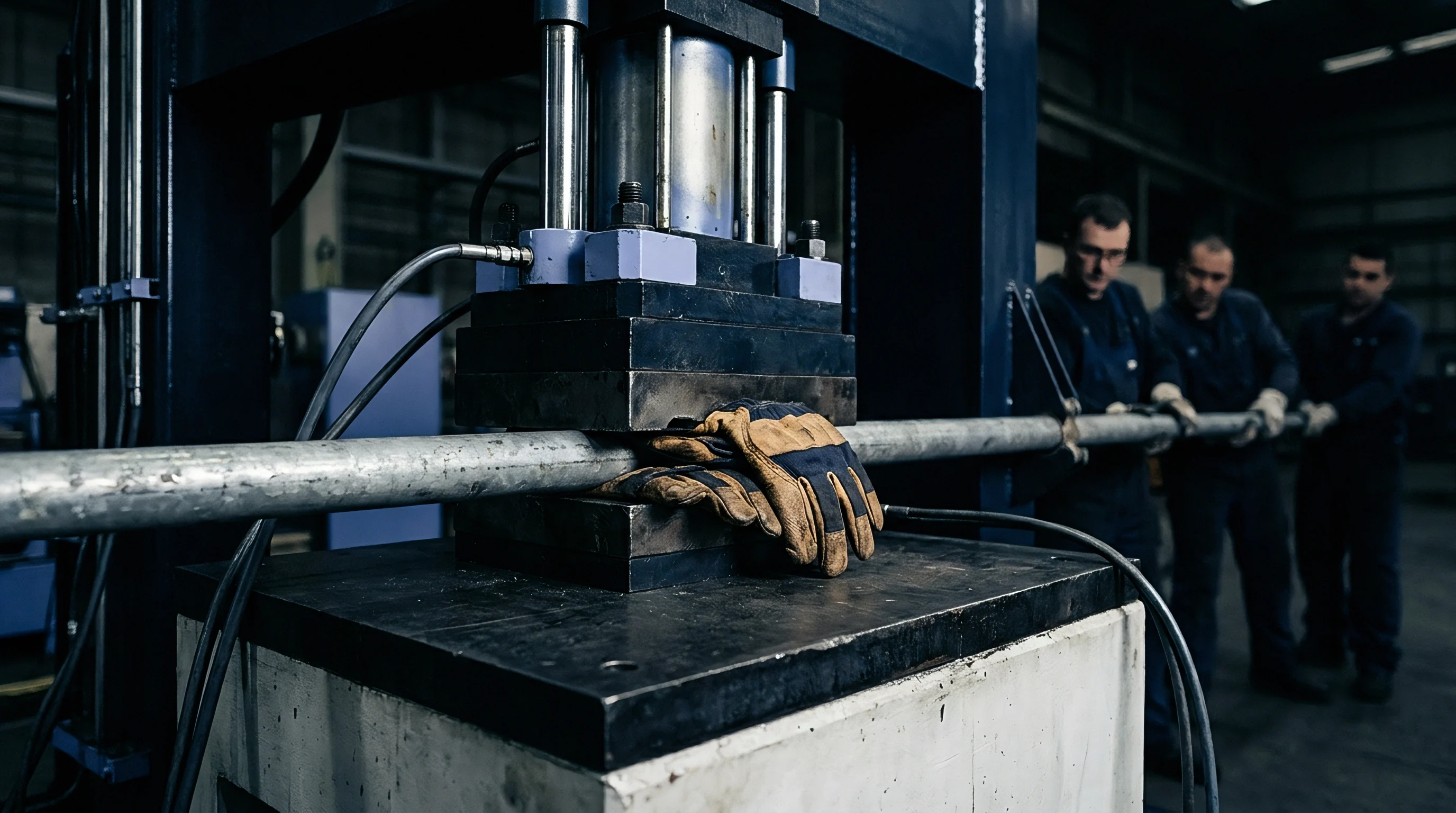
Premium Labor Cost versus Scrap Economics
High-value material streams compound the financial damage of yield drops. In aerospace machining, medical devices, or complex automotive powertrain production, raw materials make up sixty to eighty percent of total unit cost. A four percent drop in first pass yield from fatigue or tool overheating can wipe out the net margin of an entire production run.
Financial ledgers have to capture the compound cost of scrapped inventory. Scrapping a semi-finished assembly at step eighteen of twenty destroys not just raw material value, but all accumulated labor, machine time, energy, and plant overhead absorbed up to that point. Scrapping parts late in the process on overtime shifts causes maximum financial damage.
Models tracking scrap solely by raw material weight miss most of this loss.
| Cost Component | Standard Shift Baseline ($) | Overtime Shift Baseline ($) | Overtime with Yield Collapse ($) | Variance Impact (%) |
|---|---|---|---|---|
| Raw Material Input | 120.00 | 120.00 | 120.00 | 0.0 |
| Direct Labor (Standard/Premium) | 35.00 | 52.50 | 52.50 | +50.0 |
| Scrap Allocation per Good Unit | 1.80 | 1.80 | 8.40 | +366.7 |
| Offline Rework Labor Allocation | 0.50 | 0.75 | 6.20 | +726.7 |
| Machine Depreciation & Energy | 12.00 | 12.00 | 14.50 | +20.8 |
| Total Conversion Cost per Unit | 169.30 | 187.05 | 201.60 | +19.1 |
| Target Selling Price | 210.00 | 210.00 | 210.00 | 0.0 |
| Net Gross Margin per Unit | 40.70 | 22.95 | 8.40 | -79.4 |

Financial Thresholds for Overtime Capping
Setting an economic cap on overtime requires modeling yield decay against unit margins. When the marginal cost of producing one more unit ~ including scrap allocations, rework labor, and premium wages ~ meets or exceeds the revenue it generates, extra overtime makes no financial sense. Operating past that threshold destroys value to hit nominal volume targets.
Holding capacity commitments until preventive maintenance compliance returns to baseline protects margin. Teams calculating true conversion costs quickly discover that capping operation at fifty hours per week with a ninety-eight percent first pass yield generates more profit than pushing to seventy hours per week at an eighty-eight percent yield rate.
Long-term commercial contracts with steep delivery penalties often drive plant managers into irrational operating choices. Late penalties calculated as a daily percentage of contract value force facilities into continuous overtime to dodge cash fines. But if internal scrap costs climb past the daily penalty, running at maximum volume only multiplies total losses.
Management has to weigh contract penalties directly against shop-floor yield decay curves to minimize financial damage.
Hidden administrative costs during volume pushes further erode profitability. Expedited freight for replacement materials, emergency tooling orders, premium engineering calls, and customer complaint handling burn cash. When warranty reserves have to be increased to cover degraded product quality from overtime runs, the real cost of unmanaged volume hits the balance sheet.
Sound management requires hard financial boundaries around operating schedules. Running continuous overtime without tracking primary first pass yield trades long-term value for short-term volume figures. Leadership that tracks true conversion costs, enforces maintenance discipline, and accounts for offline repair labor preserves profitability through demand surges.