Meaning
Internal dimensional expansion within solid porous substances happens as polymer chains or mineral lattices occupy additional space to accommodate infiltrated water molecules. Moisture absorption swelling creates internal stress fields that degrade the mechanical coherence of a component over time. Manufacturers track this phenomenon during quality control audits to verify that raw materials meet dimensional tolerance limits before final assembly occurs.
High rates of expansion signify a failure of the hydrophobic barrier or an imbalance in the chemical crosslinking density of the substrate. This metric sets the boundary for environmental stability in damp operating conditions where fluid contact persists.
Dimensional Integrity
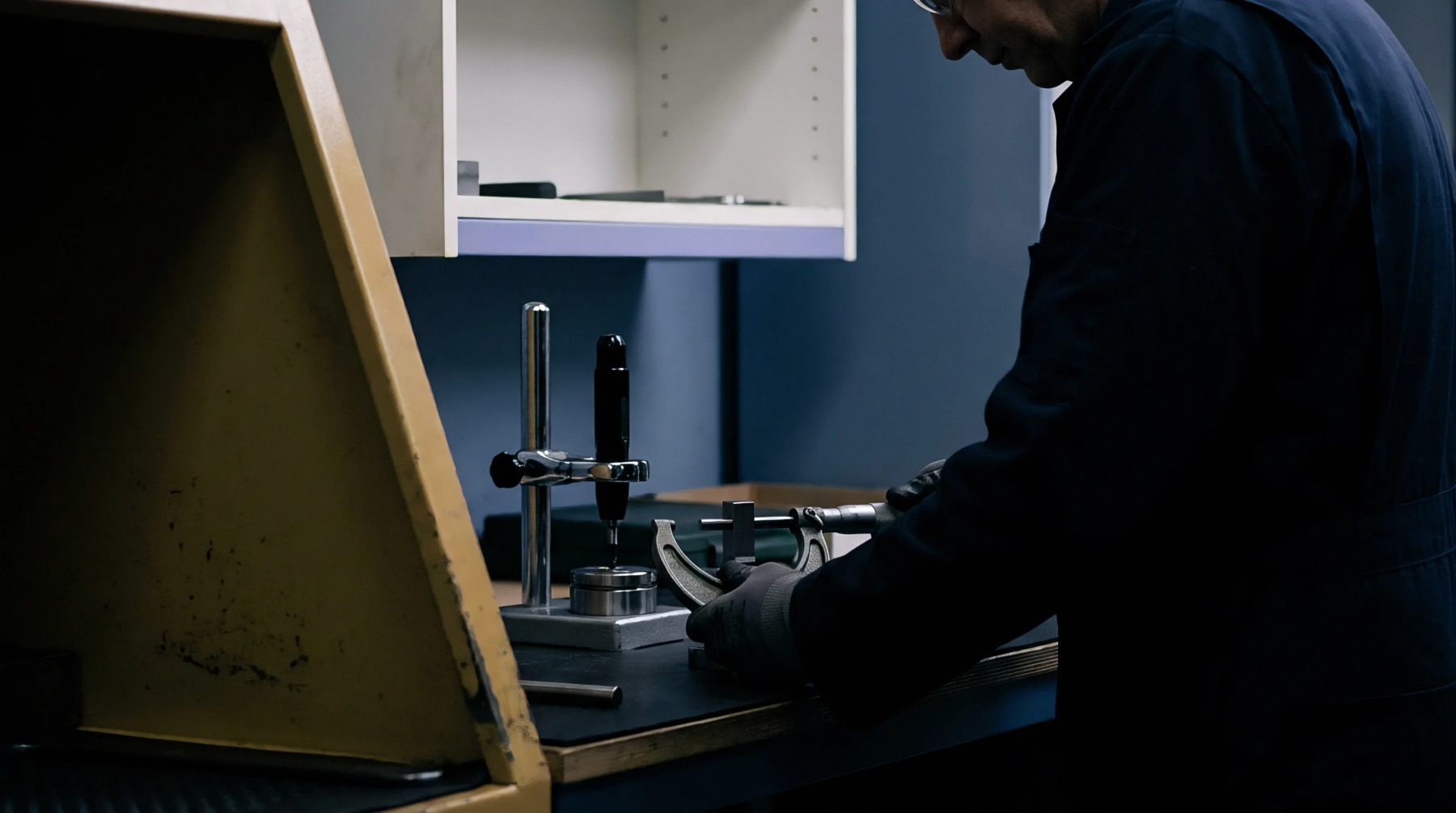
Engineers evaluate the stability of a production batch by subjecting samples to high humidity chambers to induce saturation. Moisture absorption swelling alters the geometric profile of high precision parts through uniform or differential expansion across exposed surface areas. Precise gauges measure these shifts to determine if the part remains within its design tolerances after reaching a weight equilibrium.
Such measurement protocols distinguish static capacity from a transient pilot result. A failure to account for these changes leads to misaligned fittings in modular systems during final site installation.
Production Variance
Process managers observe how moisture absorption swelling creates significant cost burdens during the inventory phase if the storage climate lacks regulation. Supply chains mitigate this risk by monitoring the hygroscopic nature of base resins or timber products throughout the distribution cycle. Forecasts remain unreliable if the material exhibits unpredictable expansion characteristics under varying seasonal weather patterns.
Controlling the ambient moisture levels around stock items prevents the pre-installation degradation of composite elements. Production yield suffers whenever these materials exhibit latent expansion that prevents mating with fixed metal frames.
Operational Performance
Operational reliability depends on how moisture absorption swelling governs the lifespan of seals or insulating layers installed in outdoor equipment. Liquid penetration forces molecules into the interstitial voids of the structure which pushes the material boundaries outward against adjacent surfaces. This interaction changes the fitment pressure of seals and might cause a breach in containment zones if the expansion exceeds the designed clearance of the housing.
Frequent audit cycles detect the earliest onset of structural fatigue as the component undergoes repeated cycles of saturation and desiccation. Mechanical resilience remains a function of the chemical resistance the material possesses against pervasive vapor ingress. Accurate assessment of this property ensures that a component maintains its physical shape during the entire service period.