Meaning
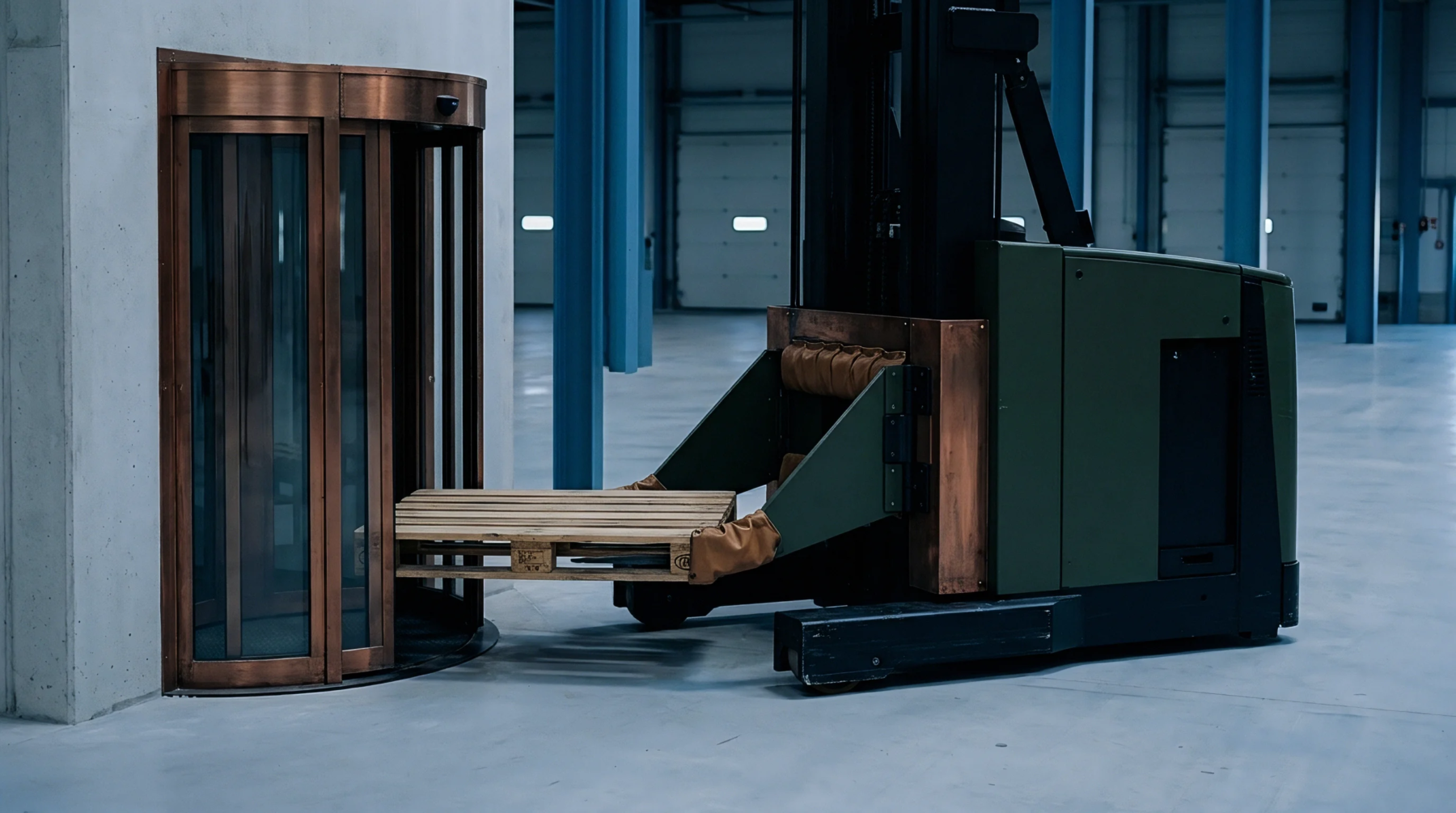
Operational backpressure conditions occur across sequential manufacturing stages when a downstream station cannot receive completed units from an upstream predecessor. In automated continuous assembly, line blockage halts upstream processing cycles regardless of machine availability or component supply. The condition forces upstream tools to enter non-productive holding states while retaining processed workpieces.
Its diagnostic reach ends at the physical transfer boundary, leaving downstream mechanical failure or thermal bottlenecks as the root causes.
Upstream Propagation
Material backlogs propagate in reverse against the standard flow of production parts. When a packaging unit or finishing station suffers an unscheduled stoppage, intermediate conveyors fill to capacity and freeze the output transfer nest of upstream stations. The preceding workstation finishes its operational cycle but cannot clear its internal fixture.
Consequently, line blockage directly reduces the overall equipment effectiveness of theoretically reliable upstream machinery.
Buffer Sizing
Production ramp phases expose balance mismatches between fast primary fabrication units and slower secondary finishing cells. Line designers install intermediate accumulator tables and bypass conveyors to decouple stages and protect upstream cycle times. When buffer sizing calculations fail to account for variance in downstream clearing times, blockages cascade back to the primary bottleneck.
Prematurely advancing to volume manufacture without validating buffer clearance dynamics leads to frequent line trips and thermal degradation of stalled materials.
Diagnostic Verification
Time-stamped programmable logic controller logs separate true machine breakdowns from forced idle periods caused by downstream congestion. Sensors placed along accumulation lanes provide direct verification of part accumulation velocities. Corrective tooling adjustments often require recalibrating station cycle times or installing automated divert chutes for non-conforming parts.
Line blockage analysis provides the engineering basis for balancing cycle durations across high-volume production transfers.