Establishing Statistical Control Foundations for Industrial Equipment Financing
Statistical process capability monitoring converts machine degradation into quantifiable credit risk metrics to secure industrial asset recovery values.
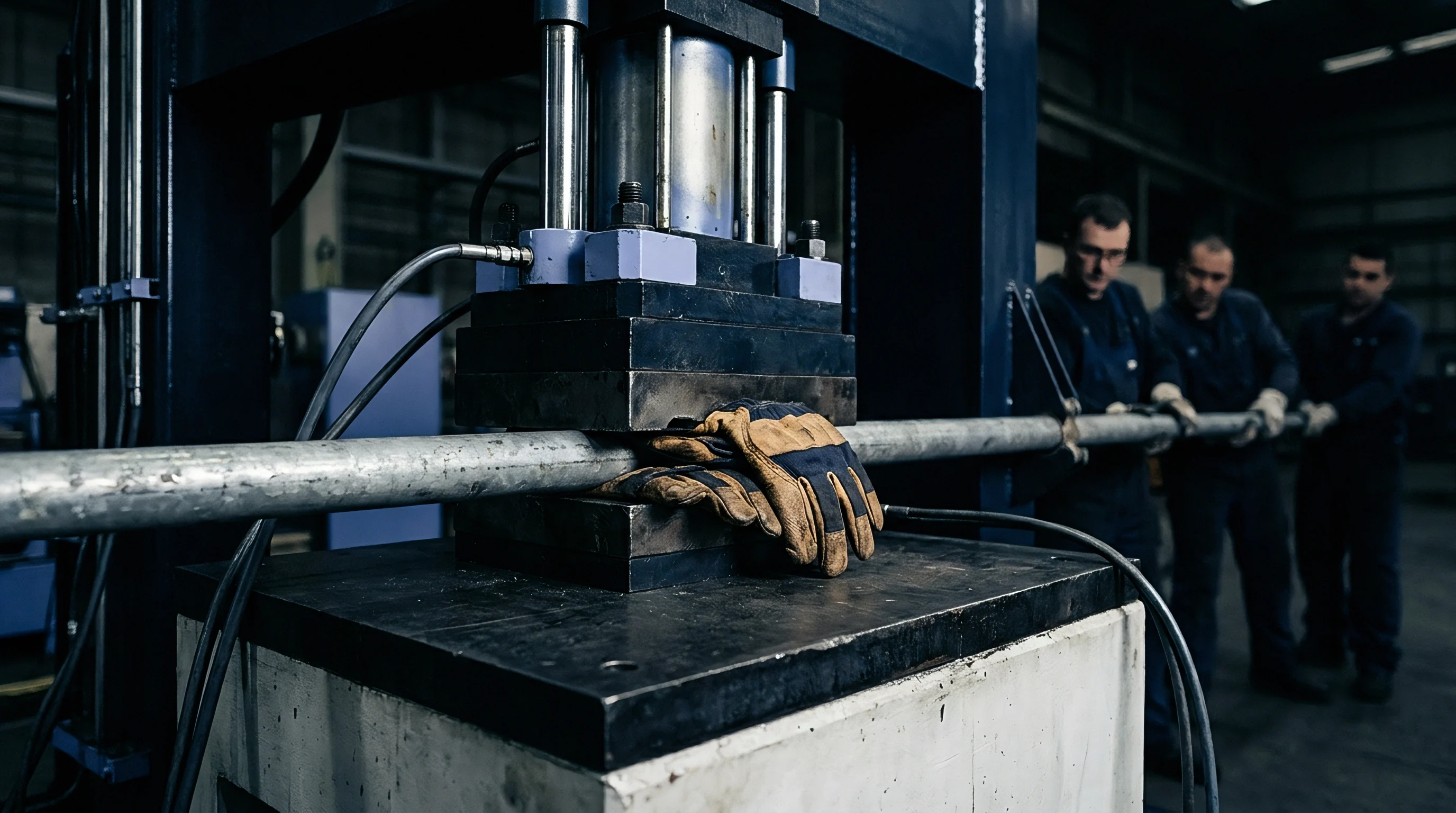

Calibration
Machining tolerances dictate the commercial boundary between a productive capital asset and an unrecoverable credit write-down. Equipment lessors and asset-backed debt syndicates routinely finance Computer Numerical Control cutting centers, additive fabrication beds, and cold-forging presses on thirty-six to eighty-four month amortisation schedules. Underwriters price these transactions against projected secondary liquidation values, relying on periodic visual checkups and manufacturer maintenance records to confirm collateral integrity.
Field inspection logs show that maintenance ledgers record component replacements without quantifying machine accuracy. A five-axis horizontal machining center operating two daily shifts accumulates spindle bearing deflection, ballscrew pitch error, and thermal bed warpage long before complete mechanical seizure occurs.
Asset health verification starts with measurement integrity rather than gross production tally sheets. When a financed production line records nominal output volumes, scrap rates often conceal progressive machine wear inside aggregated inventory adjustments. Gauge Repeatability and Reproducibility studies under standard ISO 10012 procedures isolate whether dimensional drift originates from workpiece fixturing, operator loading variation, or mechanical degradation of the tool carriage.
Financiers assessing credit risk verify that the inspection instruments possess a precision-to-tolerance ratio below ten percent. Measurement systems exceeding thirty percent error invalidate factory process capability claims entirely.
Inspection data holds validity only when metrological precision accounts for less than one-tenth of total product engineering tolerance.
Machine spindles degrade under load.
Underwriting diligence teams examine factory data infrastructure before executing funding agreements. Sensor pipelines logging spindle load and tool position frequently mask underlying mechanical slack when software filters smooth raw telemetry. Asset risk tracks process drift.
- Unverified Data Filtering occurs when factory automated supervisory software applies moving averages that erase extreme high-frequency vibration spikes caused by cracked bearing raceways.
- Thermal Drift Suppression conceals machine bed expansion when plant environmental controls fail during seasonal heat waves, introducing cyclic dimensional errors that operators normalize through manual tool offsets.
- Uncalibrated Setting Masters corrupt all subsequent micrometer and coordinate measuring machine verifications across multiple shifts. Technicians calibrate instruments against worn reference blocks, systematically biasing the inspection record.
- Selective Run Logging omits setup iterations and warm-up scrap parts from the permanent quality database, artificially inflating reported manufacturing yields.
Credit facilities that overlook these metrological realities accept inflated machinery asset appraisals. Machine builders justify dimensional discrepancies by asserting that ambient plant temperature swings fall outside standard warranty installation criteria.


Subgroup
Rational sampling architectures establish whether manufacturing variability stems from chance variation or specific assignable equipment damage. Production teams frequently assemble inspection lots by pooling components across twenty-four-hour operating windows, blending output from sharp cutting inserts with parts cut by worn tooling. Statistical process control requires subgroup collection where parts within a single sample reflect uniform production conditions over a tight time interval.
Shewhart control charts, specifically average and range charts alongside individual and moving range variants, detect systemic mechanical shifts before defective production depletes cash flow.

Which Variance Patterns Threaten Asset Backing?
Lenders price unmonitored variance aggressively. When production data shows points drifting beyond three-sigma control limits or exhibiting eight consecutive points on one side of the central line, the equipment demonstrates assignable mechanical variation. These patterns correlate with physical degradation mechanisms including gib clearance deterioration, leadscrew backlash, and hydraulic seal decay.
Debt covenants linked directly to real-time process monitoring identify operational distress months before audited financial statements reflect depleted cash reserves.
Equipment lease agreements specifying periodic statistical capability audits trigger loan covenant defaults when process capability falls below designated contractual thresholds.
Scrap erodes debt coverage directly. An uncorrected assignable cause turns expensive raw material into salvage metal, increasing unit production costs and compressing the borrower debt service coverage ratio. The structured finance diligence team sets specific stage gates to verify machine capability throughout the loan term.
- Baseline Metrology Audit confirms the physical alignment, axis perpendicularity, and laser interferometer calibration of the equipment upon commissioning. Initial geometric errors must sit inside manufacturer specifications.
- Rational Sampling Signoff codifies sample frequency, lot sizes, and sensor collection protocols within the operational lease covenants. Production operators freeze sampling routines to prevent cherry-picked verification records.
- Control Chart Institutionalisation binds borrower reporting obligations to monthly submissions of statistical stability charts. Technicians flag out-of-control signals immediately for engineering investigation.
- Covenant Compliance Reconciliation evaluates trailing ninety-day statistical performance against debt service pricing grids. Favorable stability figures grant margin discounts, while persistent instability triggers mandatory reserve funding.
Connecting statistical control metrics to credit agreements protects capital syndicates from hidden asset devaluation. Table 1 maps statistical process indicators directly to equipment lease underwriting covenant mechanisms.
| Control Metric | Underlying Equipment Condition | Sampling Standard | Debt Covenant Threshold | Financing Remedy |
|---|---|---|---|---|
| Process Capability Index (Cpk) | Combined axis alignment and tool holding rigidity | ISO 21747 minimum 125 consecutive parts | Cpk below 1.33 for two reporting periods | Mandatory equipment overhaul reserve draw |
| Process Performance Index (Ppk) | Long-term system stability under shift variations | Monthly aggregate production run sampling | Ppk below 1.10 over ninety days | Five percent loan interest margin increase |
| Range Chart Out-of-Control Points | Rapid mechanical wear, bearing chatter, chuck runout | Subgroups of five parts drawn hourly | Three consecutive violations in one shift | Technician inspection notice to lender |
| Moving Range Instability | Inconsistent raw material hardness or thermal expansion | Individual consecutive workpieces | Run of eight points above central line | Borrower raw material certification audit |
| Gauge Repeatability and Reproducibility | Sensor drift, probe wear, operator measurement error | Ten parts evaluated by three operators three times | Total variation exceeding twenty percent | Mandatory re-certification of metrology tools |
Credit agreements incorporating Section 8.4 of the standard master machinery lease trigger immediate technical inspection rights whenever recorded control charts show chronic three-sigma boundary breaches across three consecutive operating shifts.

Bore
Internal cylinder diameters in engine blocks, compressor housings, and heavy hydraulic valves test the physical limits of precision cutting machinery. Tool wear shifts part dimensions. Machining a 120-millimeter bore inside a ductile iron casting to a bilateral tolerance of plus or minus twelve micrometers demands microstructural stability from the machine spindle and linear guideways.
As cutting hours mount, tool friction increases thermal loading on the quill, leading to localized taper and roundness errors. Outliers reveal undocumented thermal shocks.
Take an automated cell running four five-axis machines manufacturing hydraulic valve bores. Assume a financing facility of four million dollars amortised across sixty months at eight percent interest, requiring a debt service payment of eighty-one thousand one hundred dollars per month. The baseline design specification demands a bore diameter of 120.000 millimeters with upper and lower specification limits set at 120.012 millimeters and 119.988 millimeters respectively.
Under newly installed conditions, the machine delivers a process standard deviation of 1.8 micrometers with a mean centered at 120.001 millimeters. The calculated process capability index reaches 2.03, generating zero scrap parts per million.
Nominal yield hides machine instability. After eighteen months of unmonitored production across sixty-hour operational weeks, ballscrew wear and hydraulic counter-balance leakage introduce mechanical play. The process distribution shifts its mean to 120.006 millimeters, while the internal standard deviation expands to 3.4 micrometers due to spindle runout.
Under these degraded parameters, calculating the upper capability index demonstrates immediate financial exposure:
Cpk equals the upper specification limit minus the mean, divided by three standard deviations. Inserting the figures yields 120.012 minus 120.006, divided by 10.2 micrometers, producing a realized capability index of 0.59. Linear trends signal tool exhaustion.
A capability index of 0.59 translates to an expected non-conformance rate of approximately 3.8 percent on the upper specification limit alone. On a production throughput of twenty-four thousand bores monthly, this shift creates nine hundred twelve scrapped components. Assuming an unrecoverable casting and pre-machining cost of one hundred forty dollars per scrapped housing, scrap losses reach one hundred twenty-seven thousand six hundred eighty dollars each month.
The monthly scrap cost exceeds the entire loan payment by fifty-seven percent. Cash flow vanishes before the borrower pays the monthly financing installment.
A machine operating with an upper capability index of 0.59 destroys more capital in scrap parts monthly than its total equipment financing debt service.
Secondary buyers discount unstable tooling. Physical machine wear indicators show distinct statistical signatures that field audit teams isolate during plant inspections.
- Excessive Axis Backlash manifests as hysteresis steps on circular bore profile charts, indicating ballscrew nut wear or loose thrust bearings.
- Spindle Quill Thermal Expansion produces uniform dimensional taper along the bore length, showing failure in external chiller circuits.
- Guideway Gib Looseness generates non-circular, elliptical bore geometries that create sudden bimodal distributions within hourly subgroup inspection logs.
- Spindle Bearing Micro-Spalling registers as high-frequency dimensional chatter, visible as widening moving ranges on standard control charts.
- Drive Motor Coupling Slippage produces intermittent dimensional jumps between consecutive workpieces without gradual tool wear trends.
Sensor drift corrupts logged measurements. Physical wear tracks running hours directly when operators run machines beyond calibrated spindle speeds without thermal compensation cycles.

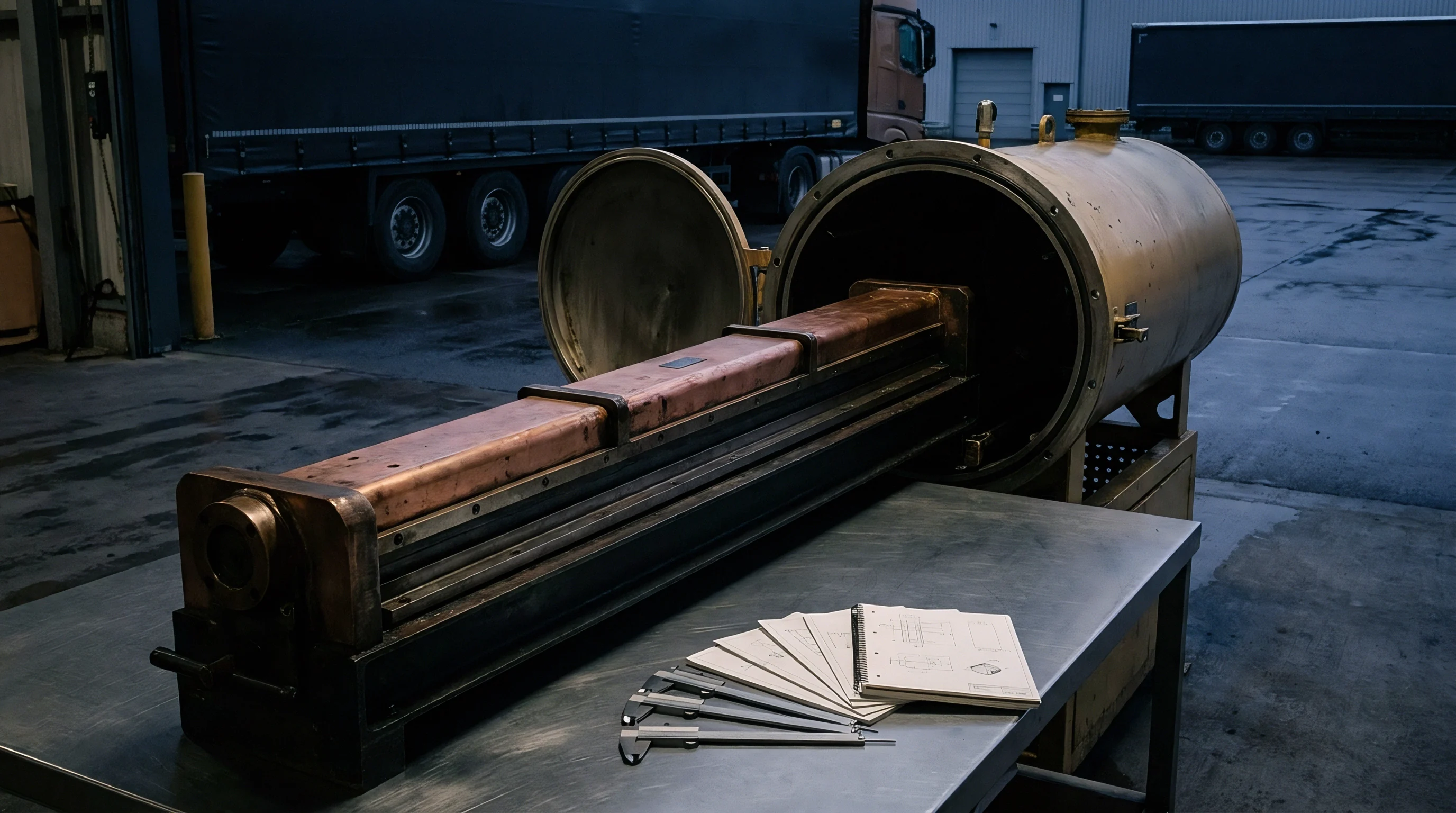
Appraisal
Secondary market machinery values depend directly on proven mechanical tolerance retention over historical operating lifetimes. Industrial auction data indicates that identical horizontal machining centers of identical model years sell at price disparities widening past forty percent based entirely on documented geometric accuracy. Appraisers without access to verifiable statistical control records default to broad age-based depreciation curves.
Uncontrolled variation depresses collateral value. Asset-backed lenders relying on standard liquidation guidelines find themselves undercollateralized when repossessing machines that operated under sustained capability deficits.

Will Realized Capability Drift Trigger Lease Default?
Unstable processes destroy resale premiums. Incorporating statistical control data into collateral valuation transforms liquidation underwriting from speculative guesswork into an empirical engineering audit. When historical control charts confirm that a five-axis machine held a capability index above 1.50 over four years of service, secondary buyers pay significant valuation premiums.
Conversely, machines showing chronic capability deterioration below 1.00 require complete spindle rebuilds, slideway re-scraping, and linear scale replacements costing up to one hundred fifty thousand dollars before entering secondary production.
A machine retaining verified capability indices above 1.50 commands secondary auction recoveries matching certified factory rebuild values.
Table 2 illustrates the relationship between recorded operational capability indices, scrap generation rates, and residual asset realization percentages upon repossession.
| Operational Age | Recorded Cpk Range | Estimated Scrap Rate | Required Mechanical Reconditioning | Secondary Auction Recovery |
|---|---|---|---|---|
| 12 Months | 1.67 to 2.10 | Below 10 PPM | Routine fluid changes and filter servicing | 82% of original invoice value |
| 24 Months | 1.33 to 1.66 | Below 65 PPM | Spindle taper regrind and toolholder balancing | 71% of original invoice value |
| 36 Months | 1.10 to 1.32 | 0.10% to 0.15% | Ballscrew pre-load adjustment and axis realignment | 58% of original invoice value |
| 48 Months | 0.85 to 1.09 | 0.50% to 1.10% | Linear guideway truck replacement and spindle rebuild | 42% of original invoice value |
| 60 Months | Below 0.85 | Exceeding 2.50% | Complete bed re-grinding, axis replacement, full overhaul | 24% of original invoice value |
Underwriters require stable physical parameters. Ignoring statistical process histories forces lenders into sudden balance-sheet write-offs when liquidated assets fail to clear remaining loan principal balances at auction.

Cession
Enforcing security interests over distressed manufacturing equipment demands rapid legal transfer paired with verified mechanical custody. When a borrower faces operational insolvency, physical machinery handover protocols dictate whether the lender recovers liquid capital or inherits dormant scrap metal. Standard legal notices secure nominal title, yet plant managers under financial distress frequently cancel preventative maintenance schedules, run worn tooling past safe operating limits, and defer critical lubrication cycles.
Debt documentation establishes clear escrow holdback releases linked to technical handover inspections.
Asset surrender covenants stipulate comprehensive geometric verification testing using standardized Renishaw ballbar diagnostic routines and laser interferometer axis assessments before final discharge of borrower liabilities. Inspection logs reveal unaddressed vibration. Independent field engineers cross-reference real-time sensory data against original baseline capability documentation to quantify unrecorded equipment abuse during the final sixty days of borrower operation.
Legal possession transitions smoothly when digital manufacturing execution systems archive immutable process capability records within tamper-evident repositories. Contract clauses authorize immediate lender intervention when automated statistical alerts flag uncontrolled process deterioration that threatens the underlying collateral. This technological integration changes equipment finance from periodic retrospective balance sheet audits into continuous operational risk management.
Financiers face complex questions regarding whether decentralized machine telematics logs will stand up against borrower legal challenges during contested cross-border insolvency proceedings without standardized regulatory accreditation of edge-computing sensor networks.