Meaning
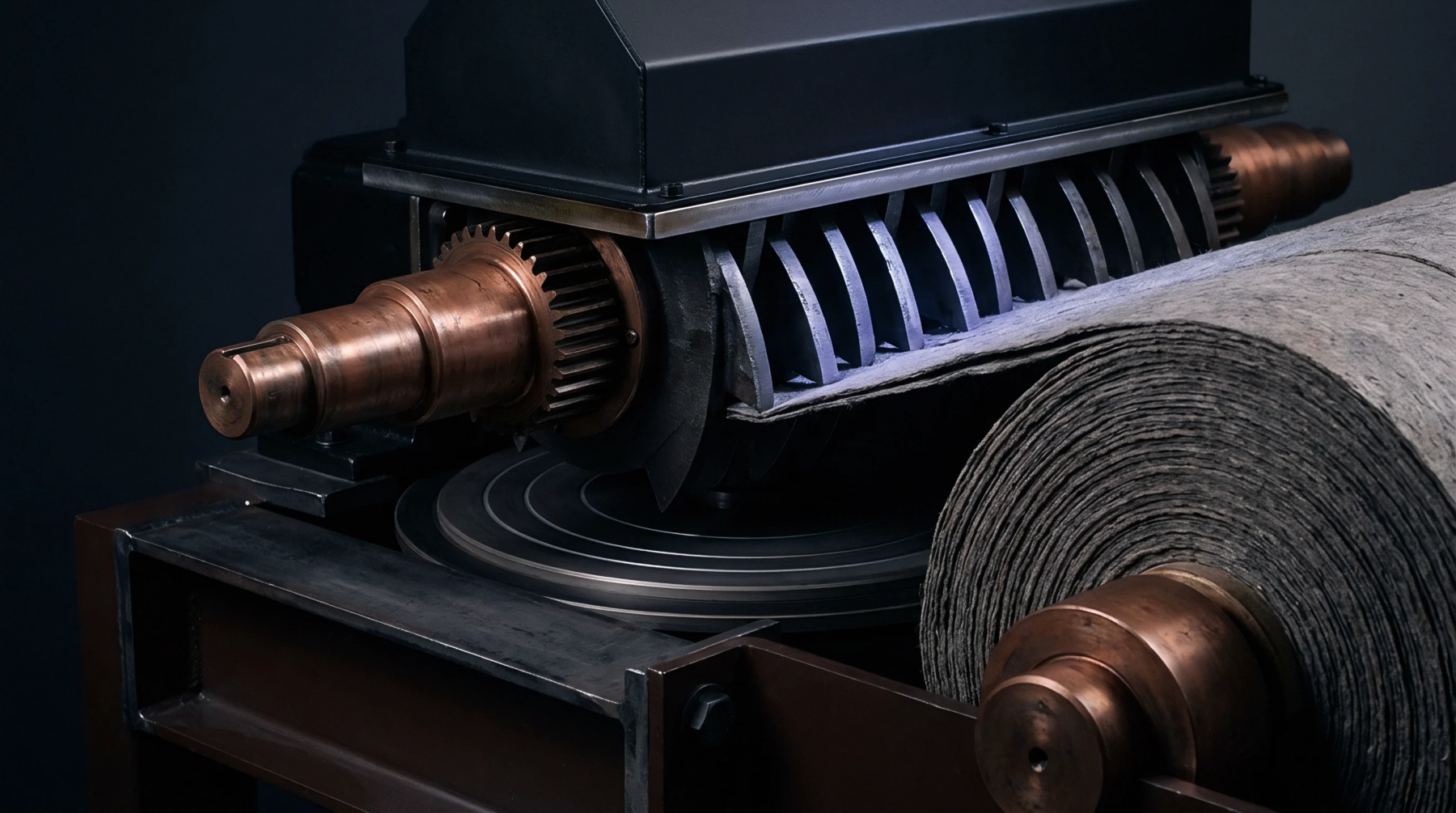
Die land length represents the vertical section of an extrusion die that maintains a constant cross sectional area to stabilize the flow of molten material before it exits the tooling. This dimension controls the resistance to flow through the aperture by creating back pressure that generates a uniform velocity profile across the product shape. Correct sizing prevents internal stresses that cause distortion or dimensional instability as the plastic cools after leaving the die.
Operational Performance
Extrusion professionals optimize this geometric parameter to balance head pressure against output speed. Excessive length forces a drop in throughput due to increased friction, while insufficient length creates uneven swell patterns at the exit. Manufacturers adjust these values according to the viscosity of the polymer grade and the thermal profile of the process.
Production Readiness
Engineers determine the ideal setting by calculating the shear stress required to maintain profile geometry without stalling the extruder motor. An audit of this dimension happens during tool commissioning where technicians verify that the surface finish minimizes drag. Failure to set these proportions accurately leads to inconsistent wall thickness and surface defects that appear during the final cooling phase.
Boundary Condition
Limitations on the available space within the die block dictate the maximum physical reach of the land area. Compact tooling designs restrict the length available for stabilizing the flow which forces a reliance on tighter temperature controls to compensate for the reduction in back pressure. Heat dissipation becomes difficult when the land area grows beyond the capacity of the cooling system to manage the energy from frictional shear.
This physical constraint determines the upper limit of precision achievable for thin walled extrusions.