
Predicting Wall Slip Instabilities during High Speed Die Extrusion Ramps
Dynamic wall slip instabilities during extruder acceleration resolve by coupling resin relaxation times with calibrated acceleration limits and tool coatings.
Dynamic wall slip instabilities during extruder acceleration resolve by coupling resin relaxation times with calibrated acceleration limits and tool coatings.

Capillary rheometry standard ASTM D3835 provides shear-dependent viscosity metrics that override melt index test failures to defend resin collateral values.

Quantifying gate shear degradation requires measuring weight-average molecular mass loss across gate lands via chromatography before clearing serial production.

Enforce multi-point capillary viscosity limits at die-relevant shear rates to prevent catastrophic line surging and protect inventory borrowing base advance rates.

Fluoropolymer processing aids eliminate polyolefin melt fracture via wall slip, but require rigorous coating maintenance and cash management to balance scrap.
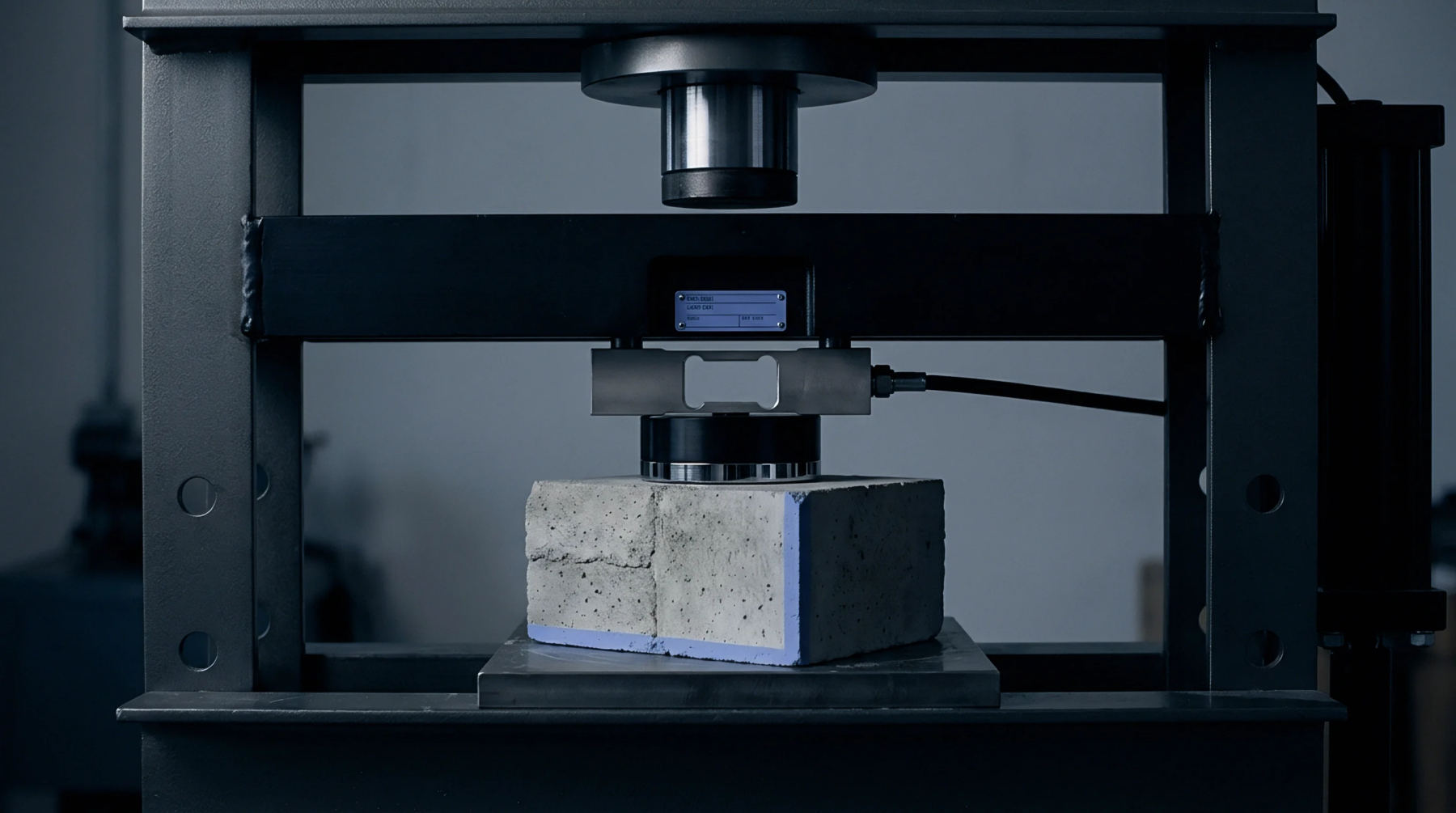
True die wall shear stress exceeding 0.14 MPa triggers polyolefin sharkskin rupture, driving scrap rates that immediately contract asset borrowing bases.

Optimize high shear cavity balance by repositioning thermally stratified runner boundary layers in tooling steel rather than adjusting machine process variables.

Calculate gate shear rates by dividing total injection flow across cavities and applying the Rabinowitsch correction to prevent resin degradation.
Integrating Rabinowitsch shear rate corrections with Bagley wall stress regressions converts raw capillary metrics into true viscosity, protecting yield margins.

Quantifying Mooney wall slip parameters across multiple capillary die radii prevents costly extrusion tooling rework and stabilizes polymer processing cash margins.

Bagley end corrections isolate true wall shear stress from entry pressure losses, preventing viscosity overestimation that distorts mold tooling and cash flow.

Quantifying true wall shear stress requires Bagley end-loss and Rabinowitsch corrections on capillary data to prevent premature extrudate fracture.
Expertise is a utility, not a secret. sentiention™ publishes its working knowledge as open reference: intelligence layer covering the materials it sources, the markets it enters, and the reference that serves both.