
Statistical Process Control Inspection Routines for Multi Axis CNC Milling Lines
Effective statistical process control on multi axis milling lines relies on multivariate charts, dynamic probe updates, and continuous kinematic reference checks.
Effective statistical process control on multi axis milling lines relies on multivariate charts, dynamic probe updates, and continuous kinematic reference checks.

Product readiness requires a Cpk exceeding 1.67 across three continuous shifts with zero manual operator intervention before production capital is released.

Re-routing Quality reporting from Production to the Board removes operational override authority, protecting compliance integrity and reducing warranty liabilities.
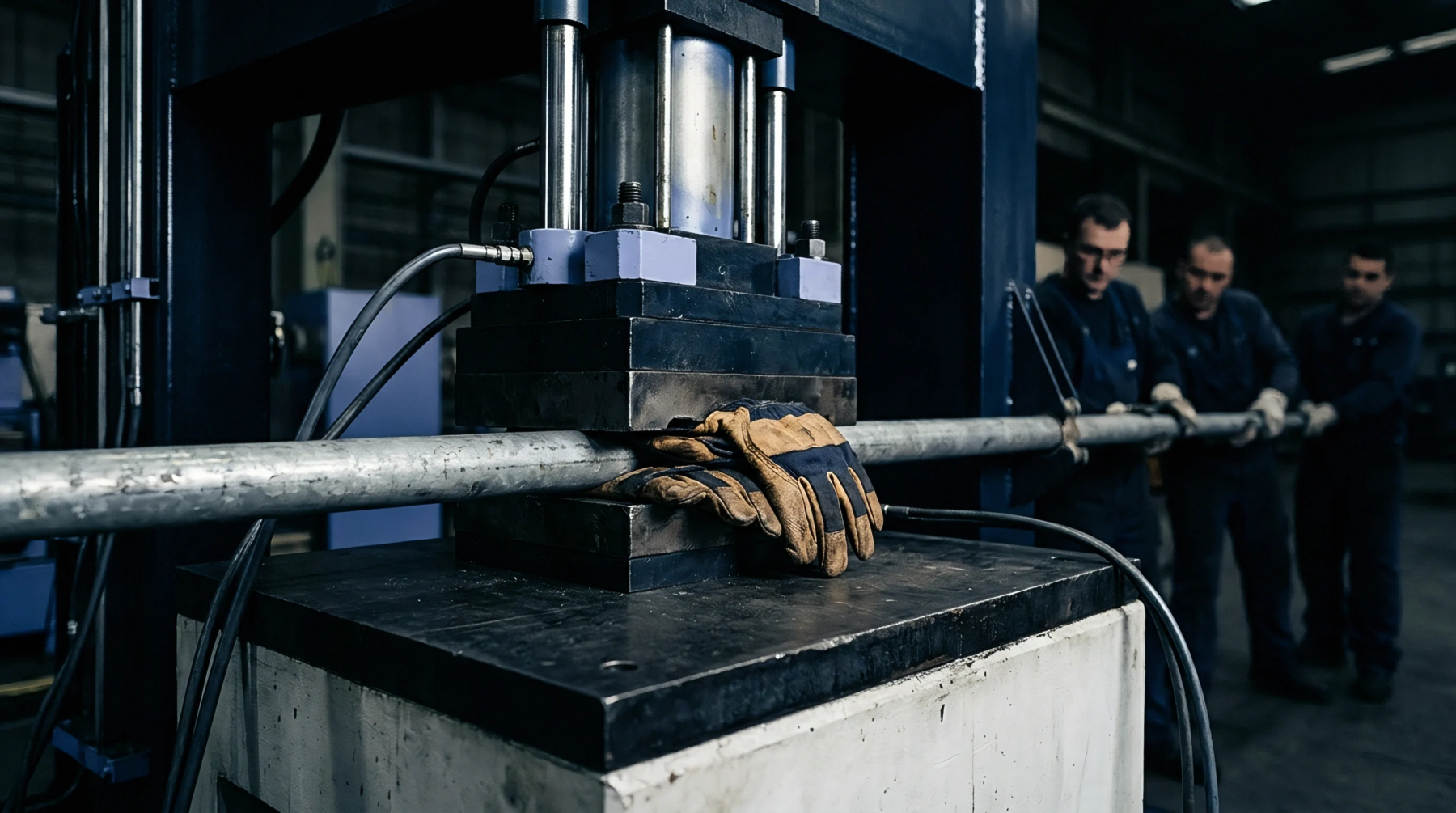
Capital lock occurs when real estate, custom tooling, and permanent headcount are committed before product volume validates the expenditure.

Stage gate governance for cross border capital scale up protects returns by locking currency hedges, enforcing FAT SAT verification, and tying tranche releases to physical site readiness.

Cross-border capital equipment allocation requires auditing local utility drops and land-side logistics before releasing machinery shipments overseas.

Establishing baseline polymer metrology requires controlling thermal soak kinetics, rigid GD&T fixturing, and accounting for post-mold crystallization drift.
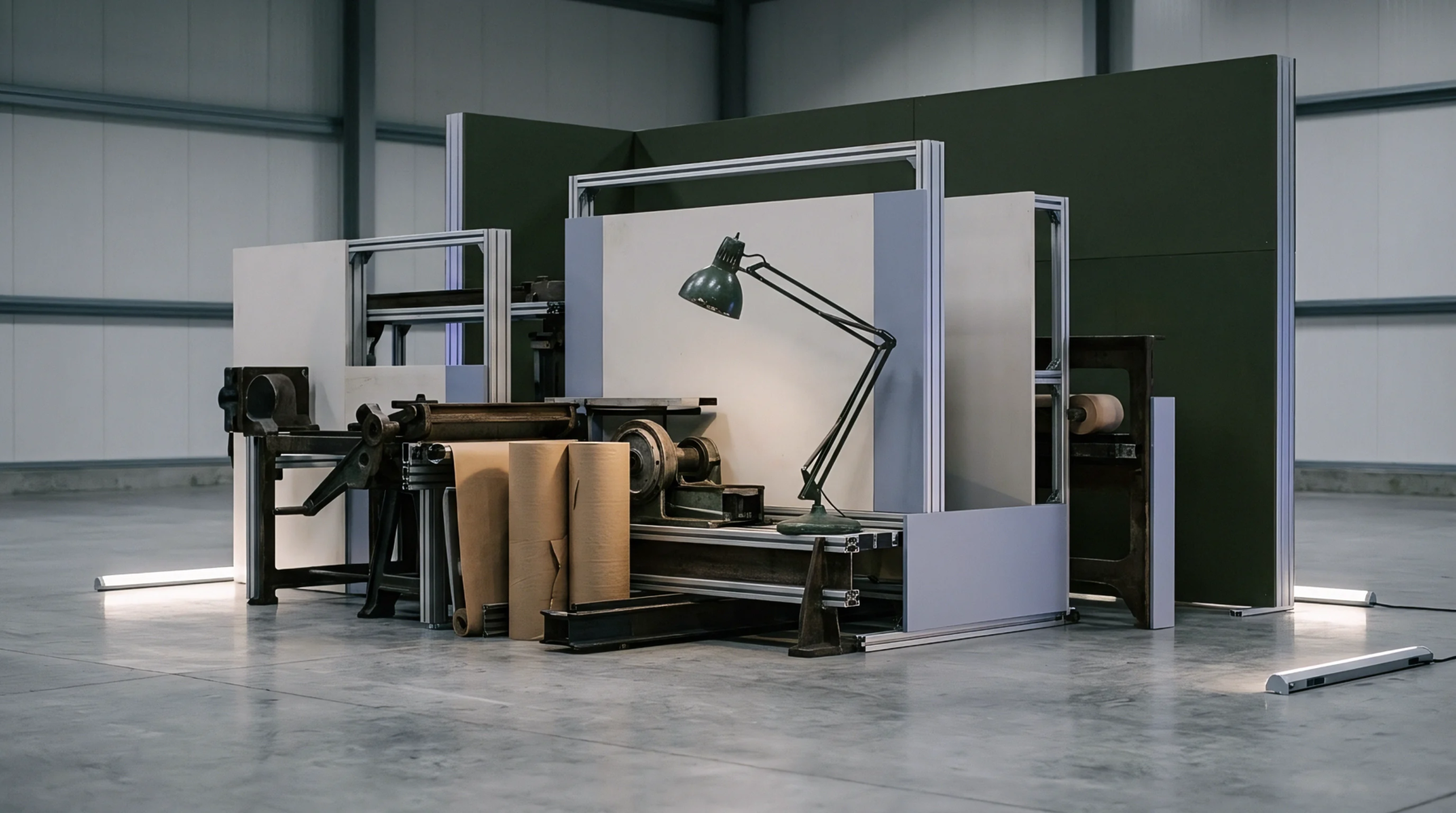
Pricing a six month delay against early commitment balances unabsorbed overhead drag against bridge production costs and liquidated damage penalties.

Dedicated facility capacity contracts protect off-takers by tying financial penalties to machine-level telemetry rather than host plant downtime logs.

Moving physical products from pilot lines to scale manufacturing requires eliminating human operator compensating loops and proving deterministic process capability.

Statistical quality governance aligns capital tranche releases directly with verified process capability indices, eliminating premature draw risk in plant expansions.

Multi cavity gate verification requires cavity-isolated statistical capability analysis and matched pressure integrals to prevent dynamic fill defects.
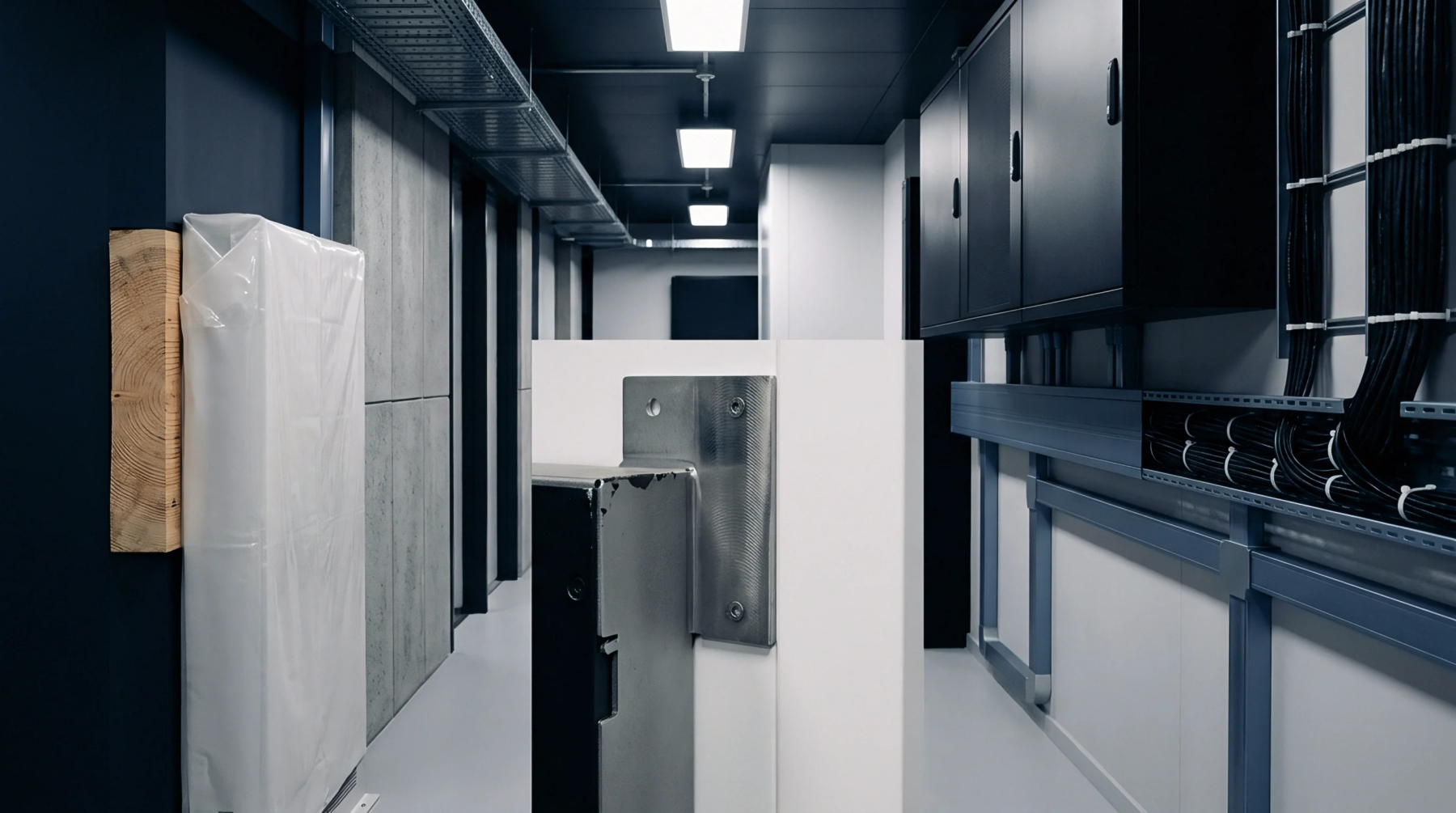
Decoupling thermal expansion from clamping deformation via kinematic flexures restores optical surface figures, elevating scanning assembly yields above ninety-eight percent.

Bayesian governance frameworks prevent CapEx release deadlocks by separating true physical component defect rates from streaming inline sensor measurement noise.

First pass yield degradation stems from compounding stochastic variance, tool wear, and thermomechanical drift, requiring precise process window defense.
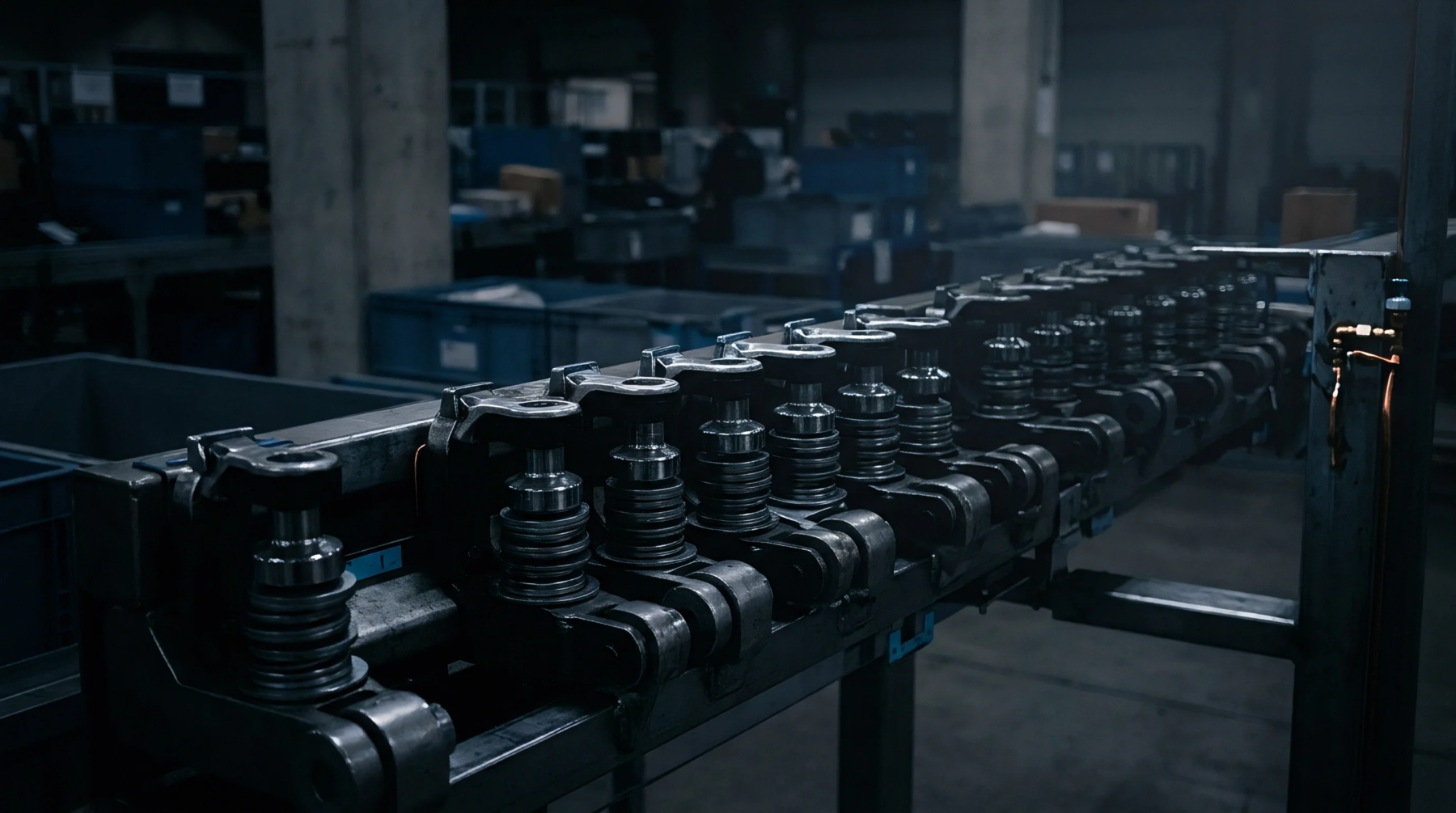
Uncompensated thermal non-equilibrium inflates baseline manufacturing process variance, distorting capability indices until thermal steady state is reached.

Enforceable stage gates tie industrial capital releases to empirical sensor logs, statistical process capability, and witnessed mechanical run-in tests.

Stage gate capital allocation protects liquidity by tying manufacturing expansion funds directly to verified line throughput and station readiness.

Tooling qualification demands auditing raw CMM trace data and thermal stability logs at vendor FAT rather than accepting summary capability sign-offs.
Enforcing rigorous, evidence-anchored stage gate controls over cross-border capital equipment imports prevents costly site debugging and protects project yields.

Resolving reactor transport gradients through targeted fluid hydrodynamics and arrayed sensing restores statistical process capability across large vessel volumes.

Auditing closed corrective actions requires matching machine telemetry and statistical capability data against physical root-cause elimination.

Stage gate verification locks capital tranches behind verified machine capability, preventing premature asset scaling before operational constraints resolve.
Redesigning quality reporting directly to corporate boards removes operational bias, enforces independent stop-work authority, and protects enterprise margin.

Optimizing first pass yield on high velocity lines requires real-time closed-loop metrology, tight station capability limits, and strict poka-yoke gates.

Statistical isolation separates thermal drift from intrinsic capability by regressing multi-sensor temperatures to reveal true mechanical repeatability.

High temperature thermoset cure kinetics governs gelation timing, exotherm runaway risks, and press pressure application windows in structural composite molding.

Decoupling thermal expansion from multi-axis metrological error requires synchronous edge sensor telemetry, structural state-space models, and axis compensation.
Applying Box-Cox and Johnson transformations to skewed residence time data prevents major capability miscalculations during continuous reactor scale up.

Factory acceptance benchmarks mask operational drift unless capital contracts quantify real shop floor thermal gradients before final signoff.
Expertise is a utility, not a secret. sentiention™ publishes its working knowledge as open reference: intelligence layer covering the materials it sources, the markets it enters, and the reference that serves both.