
Rated Capacity against Demonstrated Output over a Full Quarter
Demonstrated quarterly output derived from primary controller logs provides the only reliable baseline for commercial capacity commitments and capital deployment.
Demonstrated quarterly output derived from primary controller logs provides the only reliable baseline for commercial capacity commitments and capital deployment.

Effective statistical process control on multi axis milling lines relies on multivariate charts, dynamic probe updates, and continuous kinematic reference checks.

Go conditions in board papers must enforce audited site throughput metrics and locked capital drawdown tranches rather than unadjusted vendor claims.

Capital lock occurs when real estate, custom tooling, and permanent headcount are committed before product volume validates the expenditure.

Reading corrective action logs identifies open technical liabilities, unverified fixes, and capacity bleed before authorizing production volume expansion.

Sustained volume pressure and overtime degrade first pass yield by driving operator motor fatigue, machine thermal drift, and deferred maintenance routines.

Pricing a six month delay against early commitment balances unabsorbed overhead drag against bridge production costs and liquidated damage penalties.

A readiness assessment isolates immediate line throughput boundaries while deliberately excluding unmodelled human variance and macro supply chain shocks.

Dedicated facility capacity contracts protect off-takers by tying financial penalties to machine-level telemetry rather than host plant downtime logs.

Moving physical products from pilot lines to scale manufacturing requires eliminating human operator compensating loops and proving deterministic process capability.

Calculating production bottlenecks before signing equipment orders requires measuring true station sub-cycle times and intake variance against floor logs.

Statistical quality governance aligns capital tranche releases directly with verified process capability indices, eliminating premature draw risk in plant expansions.

Multi cavity gate verification requires cavity-isolated statistical capability analysis and matched pressure integrals to prevent dynamic fill defects.

Decoupling thermal expansion from clamping deformation via kinematic flexures restores optical surface figures, elevating scanning assembly yields above ninety-eight percent.

Active thermal control and cryogenic substrate stabilization eliminate shut-height drift and thermal scrap loss in high-speed progressive stamping dies.
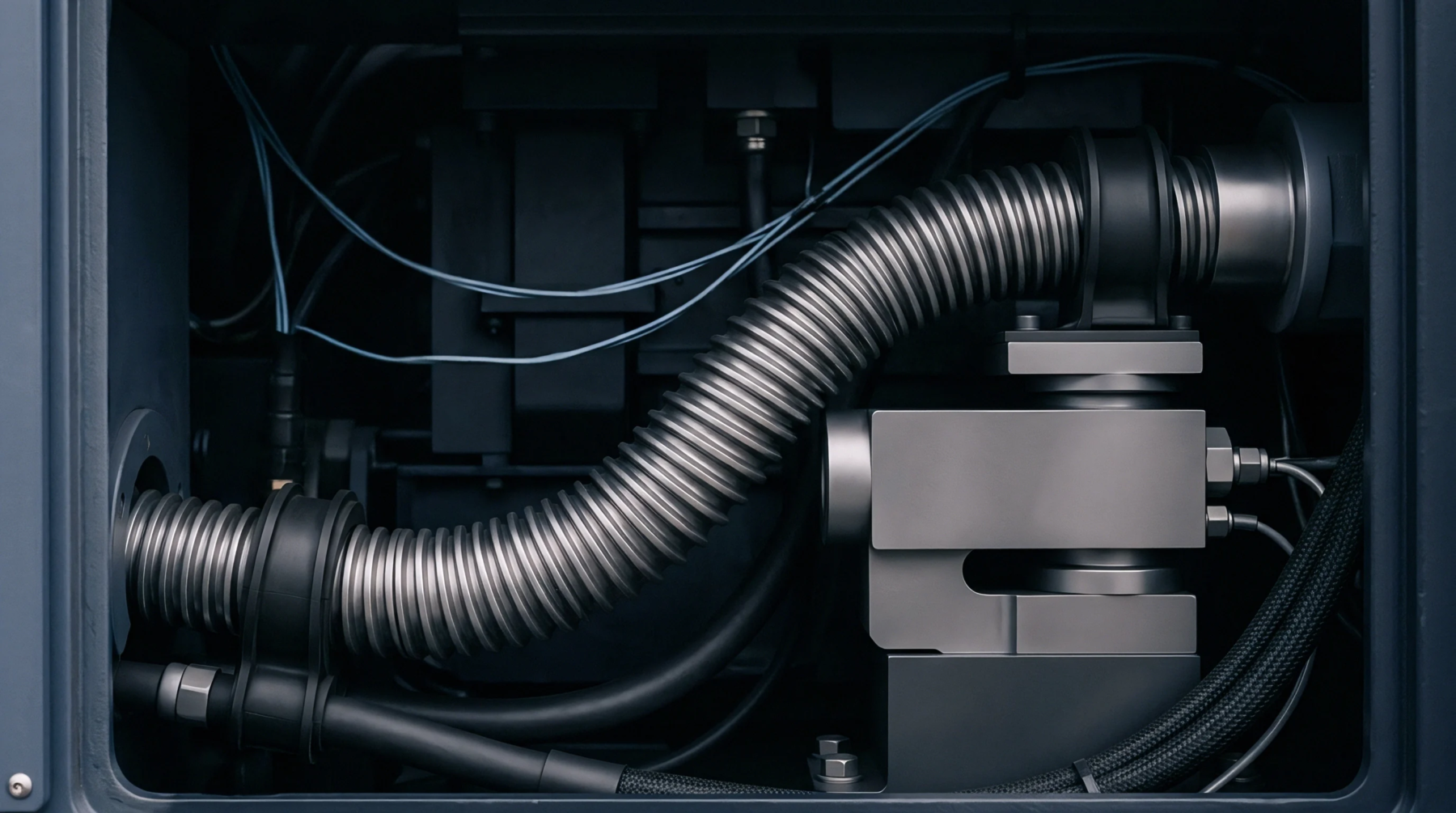
Cross-border factory expansions fail when capital moves before constraints clear; stage gates bind cash releases directly to verified site data.

First pass yield degradation stems from compounding stochastic variance, tool wear, and thermomechanical drift, requiring precise process window defense.

Auditing order book quality prevents premature capital commitments by matching facility expansion timing to verified, legally binding customer purchase orders.

Auditing raw enterprise resource planning transaction logs isolates physical throughput baseline metrics from administrative entries before volume commitments.

Decoupling quality reporting from plant authority and granting independent stop-work rights resolves throughput conflicts and secures fiduciary compliance.

Tooling qualification demands auditing raw CMM trace data and thermal stability logs at vendor FAT rather than accepting summary capability sign-offs.

Enforcing rigorous, evidence-anchored stage gate controls over cross-border capital equipment imports prevents costly site debugging and protects project yields.

Statistical process control milestones gate equipment debt releases by proving machine stability and capability before capital drawdowns occur.

Dedicated capacity contracts require net throughput definitions, direct fixed standby fees, real-time machine logging, and clear scrap liability caps.
Optical free state scanning paired with virtual clamping eliminates physical fixture costs while revealing true residual stress warp in nonrigid plastics.

Real-time cavity pressure integration dynamically balances multi-cavity fill imbalances by adjusting individual valve gates to eliminate over-packing and scrap.

Escrow capital releases bound to Bayesian credible interval lower limits prevent premature tranche disbursements during volatile commissioning ramp phases.

Automate multi-tenant scrap allocation by binding real-time feeder telemetry and high-speed vision audit metrology to an immutable cryptographic registry.

Multi tranche line expansion contracts protect capital when milestone payouts depend on dynamic bottleneck verification and rate dependent scrap ceilings.

Active in-die shut height compensation maintains bottom dead center repeatability within two microns, eliminating thermal scrap and doubling tooling life.
Expertise is a utility, not a secret. sentiention™ publishes its working knowledge as open reference: intelligence layer covering the materials it sources, the markets it enters, and the reference that serves both.