
Establishing Severity Matrix Controls for Latent Assembly Line Defect Records
Structure assembly defect records around latency incubation windows and raw sensor logs to automate line interlocks and ensure supplier warranty recovery.

Structure assembly defect records around latency incubation windows and raw sensor logs to automate line interlocks and ensure supplier warranty recovery.

Aged chemical inventory impairment requires writing down stock to secondary market salvage price less direct tolling, repackaging, and hazmat freight costs.

Dynamic subsidiary circuit breakers prevent automated treasury sweeps from draining operational capital, protecting directors from statutory solvency liability.
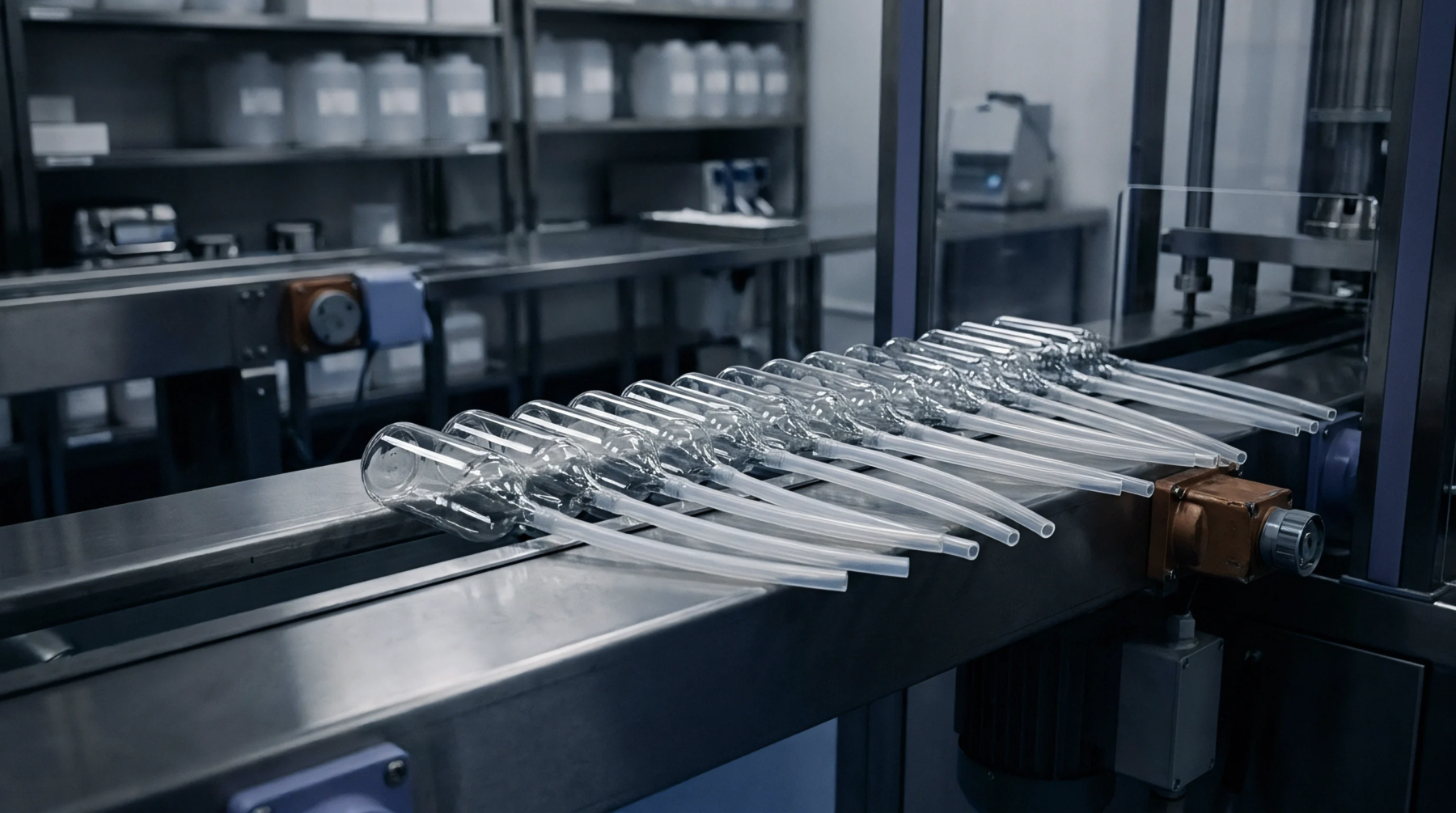
Secondary filtration retrofits recover unabsorbed overhead by eliminating sub-ten-micron abrasives that trigger tool wear, pressure trips, and line stoppages.

Capitalizing overhead into long-horizon inventory traps cash unless time-indexed drivers, lender collateral rules, and contractual standby fees align.

Cross-border cash pooling transforms subsidiary liquidity into unsecured intercompany debt, exposing local directors to personal liability under capital maintenance laws unless explicit working capital floors, formal credit limits, and unilateral sweep termination rights are enforced.

Sorting high volume log exceptions by containment risk prevents catastrophic defect escapes by prioritizing serial identity breaks over station-level noise.

Root cause diagnosis of secondary fluid contamination requires continuous volume logging, spectrometric chemistry screening, and segmental pressure testing.

Dynamic rational subgrouping decouples non-stationary machine warm-up drift from baseline variance to prevent phantom alarms and invalid capability signoffs.

Cross-border treasury operations require localized cash-pool disconnect protocols to freeze automated sweeps before statutory insolvency filing windows expire.

Maintain coolant cleanliness at or below ISO 16/14/11 via sidestream media filtration to eliminate abrasive through-spindle rotary seal wear.
Bridge multi-period machinery cash troughs by pairing advance payment guarantees with export credit cover and maintenance bond substitution for retentions.

Factory acceptance protocols link progress payments directly to verified machine tolerances, preventing working capital leakage before asset title transfer.

Capital goods percentage of completion recognizes revenue over time only with enforceable payment rights, creating contract assets that consume liquid cash.

Quantifying net deficiency exposure requires mapping statutory filing triggers, cash sweep mechanics, and formal delegation matrices across each jurisdiction.

Borrowing base availability contracts during growth when ocean transit stock gets zero advance and extended customer terms trigger concentration exclusions.

Unhedged trade credit terms drain operating cash when debtor collection lags vendor payment during periods of rapid enterprise order growth.

Landed cost accounting capitalizes transport and duty into inventory asset values, protecting gross margins through exact volumetric or gravimetric freight allocation.

Multi-cavity equipment scale-up requires stream-isolated Cpk calculations and nested ANOVA variance decomposition to isolate individual cavity drift.

Short pilot runs evaluate instantaneous machine precision while masking the thermal drift, material variance, and tool wear that dictate long-term production yield.
Unhedged cross-border payment latency expands asset volatility and inflates short-term debt, driving firms across structural default barriers via liquidity drag.

Statutory cash tests and short filing windows across Europe impose strict personal liability on directors who prolong distressed trading past insolvency triggers.

Sub-cycle electromagnetic transients induce severe hydraulic oscillations in high-density cells, resolved through non-conductive conduits and acoustic snubbers.

Senior facilities survive delayed commercial collections when loan agreements tie borrowing base eligibility and leverage covenants to actual cash conversion cycles.

Automated sweeps without subsidiary-level solvency controls create shadow director liability and expose parent firms to full creditor deficiency clawbacks.

Mitigating working capital deficits requires synchronizing vendor terms with customer collections and securing borrowing-base credit before volume expansion.

Dynamic electrical and pneumatic coincidence transients collapse machine cycle stability unless isolated by sized point-of-use physical buffers.

Factory utilities succeed when busbar thermal ratings and pneumatic ring volumes absorb peak coincident cyclic surges without central supply throttling.

Mitigate shadow directorship risk in cross-border cash pools by establishing contractually defined subsidiary balance floors, documented independent board opt-out rights, and strict administrative agency boundaries for central treasury teams.

Predictive friction heating models integrated into CNC controller feed-forward loops eliminate multi-axis thermal drift and secure first-pass part accuracy.
Expertise is a utility, not a secret. sentiention™ publishes its working knowledge as open reference: intelligence layer covering the materials it sources, the markets it enters, and the reference that serves both.