Meaning
This condition identifies the decline in resistance exerted by a solid object under constant deformation over a fixed period. Material engineers measure stress relaxation to determine how long an assembly maintains a specific load before internal molecular realignment causes a reduction in force. The phenomenon applies strictly to polymers, metals at elevated temperatures, and elastomers that exhibit viscoelastic properties under continuous strain.
The process differs from creep where the force remains constant and the dimensions change. Practitioners use this data to calculate the loss of bolt tension or the degradation of gasket seals in high pressure systems. When a component operates within this boundary, the internal forces diminish while the geometric position stays fixed during the entire cycle.
Thermal Decay
Heat influences the speed at which internal structures reorganize to reach a stable state. Molecular chains slide past each other more effectively as the temperature rises toward the melting point of the medium. Stress relaxation accelerates during this thermal transition because the mobility of polymer chains increases.
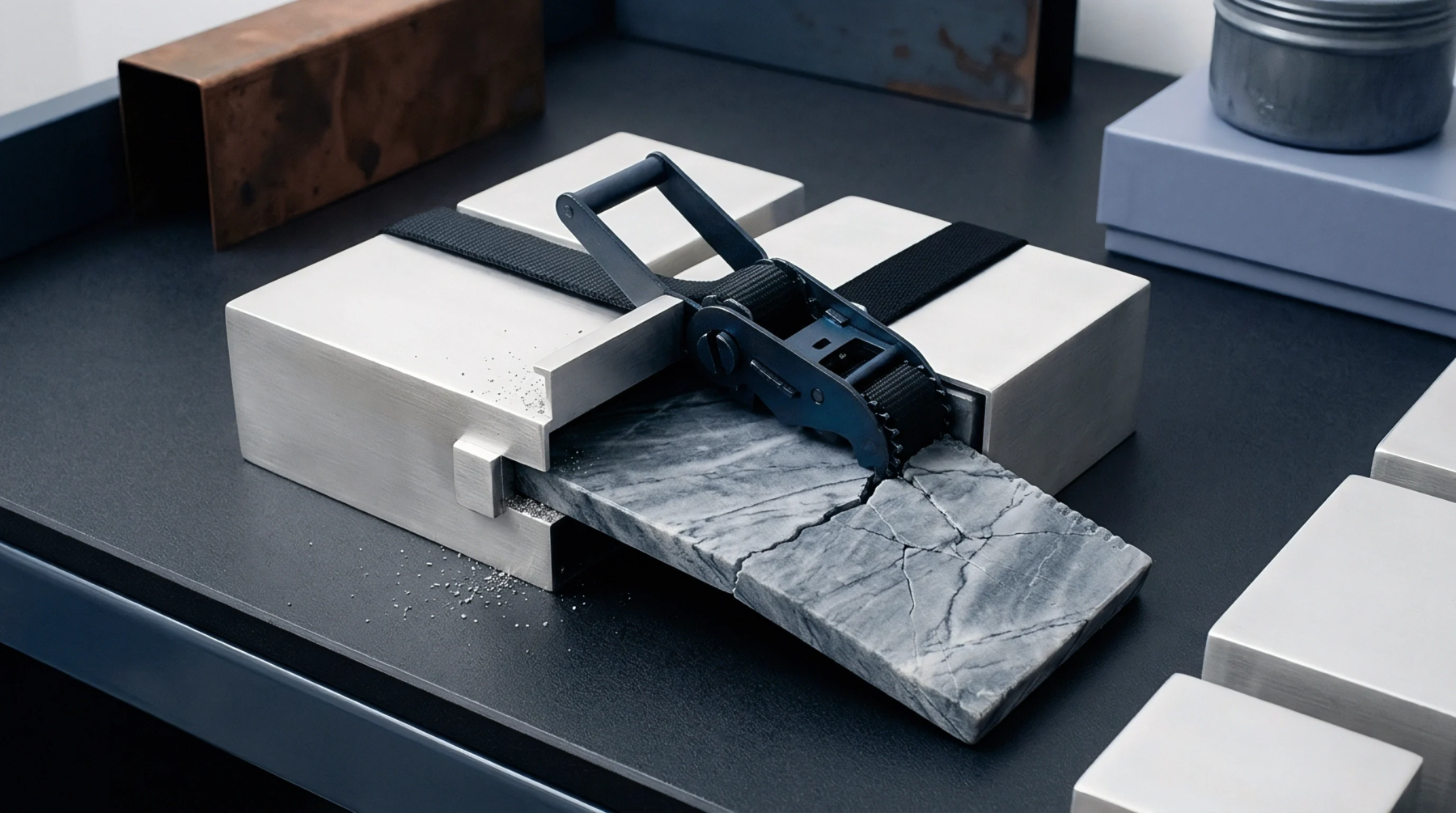
Designers select materials based on the temperature profile of the final environment to prevent failure. If the temperature exceeds the design threshold, the drop in force occurs prematurely and compromises the integrity of the whole structure. Laboratory tests measure the force decay by clamping a sample and tracking the output force against time on a logarithmic scale.
Data from these cycles inform the selection of alloys for springs that must hold constant energy over many years of service.
Load Maintenance
Capacity defines the maximum force an assembly carries, whereas capability describes the ability of the material to retain that force without leaking or loosening. Stress relaxation dictates the duration of a reliable joint since any drop in pressure indicates a failure of the mechanical seal. Engineers conduct audits by applying a fixed displacement to a test specimen and recording the output force at set intervals.
Early calculation of these decay rates prevents expensive recalls or the premature replacement of infrastructure. If a supplier provides a forecast of material behavior without citing these decay curves, the accuracy of the prediction remains unverified for industrial use. Demonstrated rates from field testing provide the necessary proof that the chosen material withstands the load requirements of the specific application environment.
Structural Integrity
Rigid components rely on maintaining internal tension to withstand operating pressures. Stress relaxation reduces the clamping force of threaded fasteners until the connection moves or leaks fluid. Machine operators check for this loss by monitoring the torque required to tighten a bolt after a specific duration of active service.
Constant force is the requirement for static seals that prevent ingress or egress of chemicals. A failure to account for this change during the design phase results in loss of production due to unplanned downtime and hardware adjustments. Once a material loses its ability to push back against the applied strain, the assembly no longer holds the design pressure even if the shape remains unchanged.
The decay of force remains the primary metric for assessing the longevity of elastic components in continuous production settings.