
Non Isothermal Melt Rheology in Single Screw Extrusion
Non-isothermal melt rheology decouples drag and pressure flow through shear heating, requiring thermal mixing to stabilize viscosity and output dimensions.
Non-isothermal melt rheology decouples drag and pressure flow through shear heating, requiring thermal mixing to stabilize viscosity and output dimensions.

End-corrected capillary rheology isolates entry losses and non-Newtonian wall shear rates to establish accurate melt viscosity curves for compounding quality control.

High-speed battery slurry coatability depends on controlling high-shear viscosity inside the slot die and thixotropic yield recovery during web drying transit.
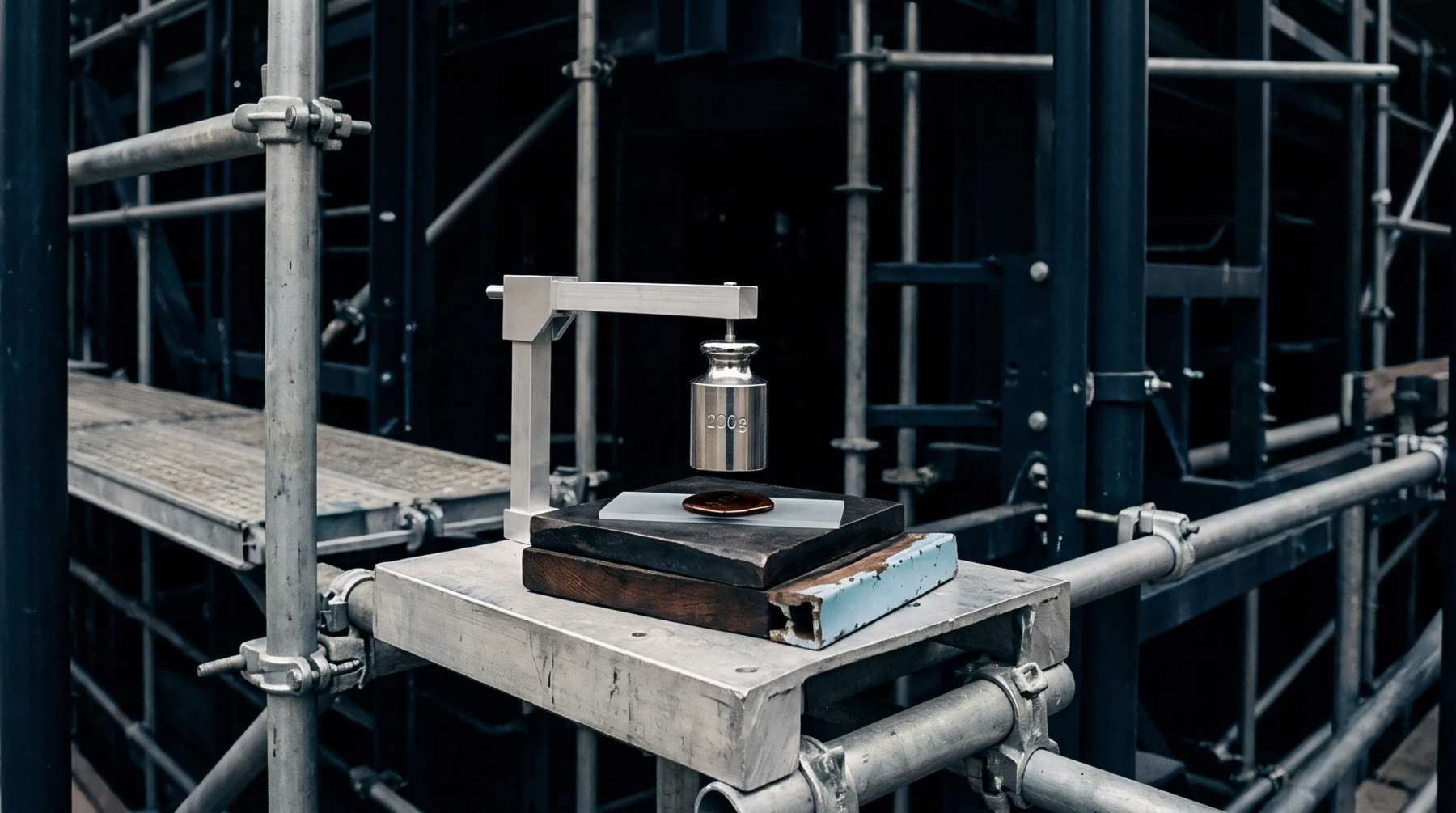
Non-linear viscosity calibration requires multi-point shear rheometry and Cross model fitting to prevent extreme die sizing and molding pressure errors.

Correcting raw capillary rheometry data for entry losses, shear gradients, and wall slip prevents costly tooling rework and protects gross margins.

Real-time cavity pressure integration dynamically balances multi-cavity fill imbalances by adjusting individual valve gates to eliminate over-packing and scrap.
Bagley end corrections isolate true wall shear stress from entry pressure losses, preventing viscosity overestimation that distorts mold tooling and cash flow.
Dynamic variothermal tooling control balances shear-thinning fluid flow and transient boundary heat transfer to eliminate surface defects and stress concentration.
Expertise is a utility, not a secret. sentiention™ publishes its working knowledge as open reference: intelligence layer covering the materials it sources, the markets it enters, and the reference that serves both.