Meaning
Material protrusion occurs at the seam where two mold halves meet during a plastic injection molding cycle. This parting line flash indicates a loss of clamping pressure or a degradation in the tool interface. When molten polymer escapes into the microscopic gap between mold components, it cools into a thin, rigid extension that violates the intended geometry of the part.
Production Boundary
Mold clearance defines the threshold for this condition, as even slight mechanical shifts permit polymer flow into non-cavity space. A parting line flash grows in size when excessive injection speeds or holding pressures overwhelm the force maintaining the mold closure. Machine operators identify these unwanted edges during visual inspection, noting that they frequently signal the need for recalibration of the hydraulic system or refurbishment of worn tool faces.
Measurement Protocol
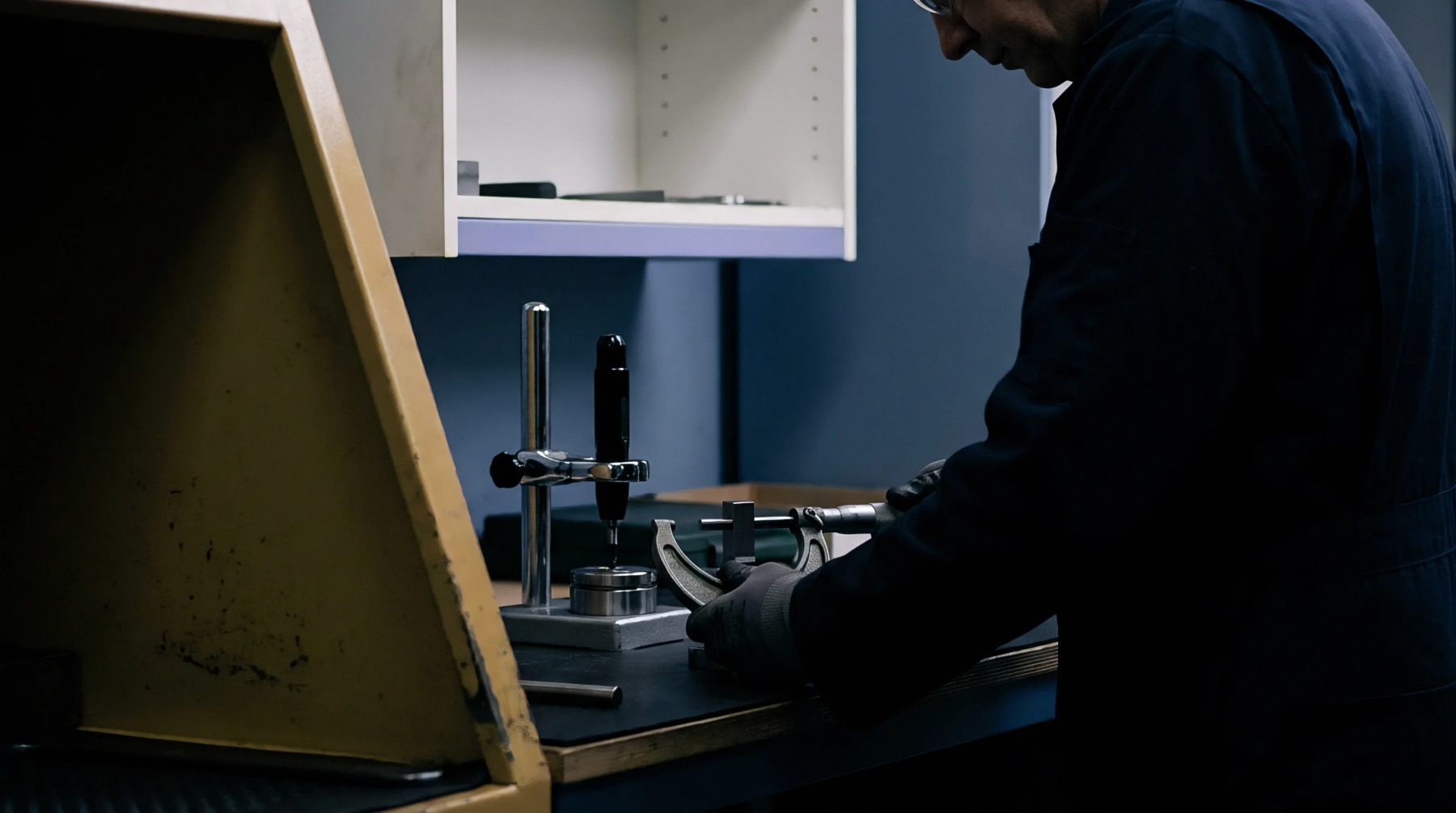
Technicians evaluate the thickness and extent of the defect against drawing tolerances to determine if a batch remains within specification limits. Parting line flash measurements provide data on tool wear patterns across long production runs. Precise caliper readings help distinguish between a temporary pressure spike and a permanent loss of mold integrity requiring maintenance intervention.
Economic Consequence
Excessive accumulation of this material forces a decision between secondary trimming operations and the rejection of entire molded lots. The presence of parting line flash increases the total cost of ownership for a tool due to the labor demand for deburring and the potential for premature tool fatigue. Effective control of this phenomenon maintains high throughput without the burden of non-value-added refinement steps.