Meaning
Thermoplastic polyesters distinguished by rigid molecular chains that align during processing form liquid crystal polymer materials, which provide exceptional dimensional stability for thin wall electronic connectors and high density circuit boards. Thermal deflection temperatures exceed three hundred degrees Celsius, allowing these high performance polymers to withstand surface mount reflow soldering without blistering or deforming. Moisture absorption remains near zero, preventing dimensional growth and dielectric property drift in humid operating environments.
Melt Rheology
Highly ordered rigid rod domains cause zero shear viscosity to drop drastically under high injection speeds, enabling rapid cavity filling for miniature parts containing thin walls. Shear induced orientation during flow lowers anisotropic shrinkage, restricting planar dimensional variance to narrow tolerances during cooling. Tooling design requires careful gate placement because transverse mechanical properties lag far along the primary orientation axis.
Processing temperatures demand dedicated high temperature barrels and specialized screws to prevent premature thermal degradation before the melt enters the mold.
Yield Verification
Qualification runs assess whether prototype injection parameters translate reliably to high volume multi cavity toolsets, establishing actual cycle times and scrap rates. Melt temperature stability and injection pressure consistency govern the repeatability of part dimensions across extended production shifts. Thermal degradation monitoring checks for molecular weight reduction caused by prolonged residence time in the barrel during machine idling periods.
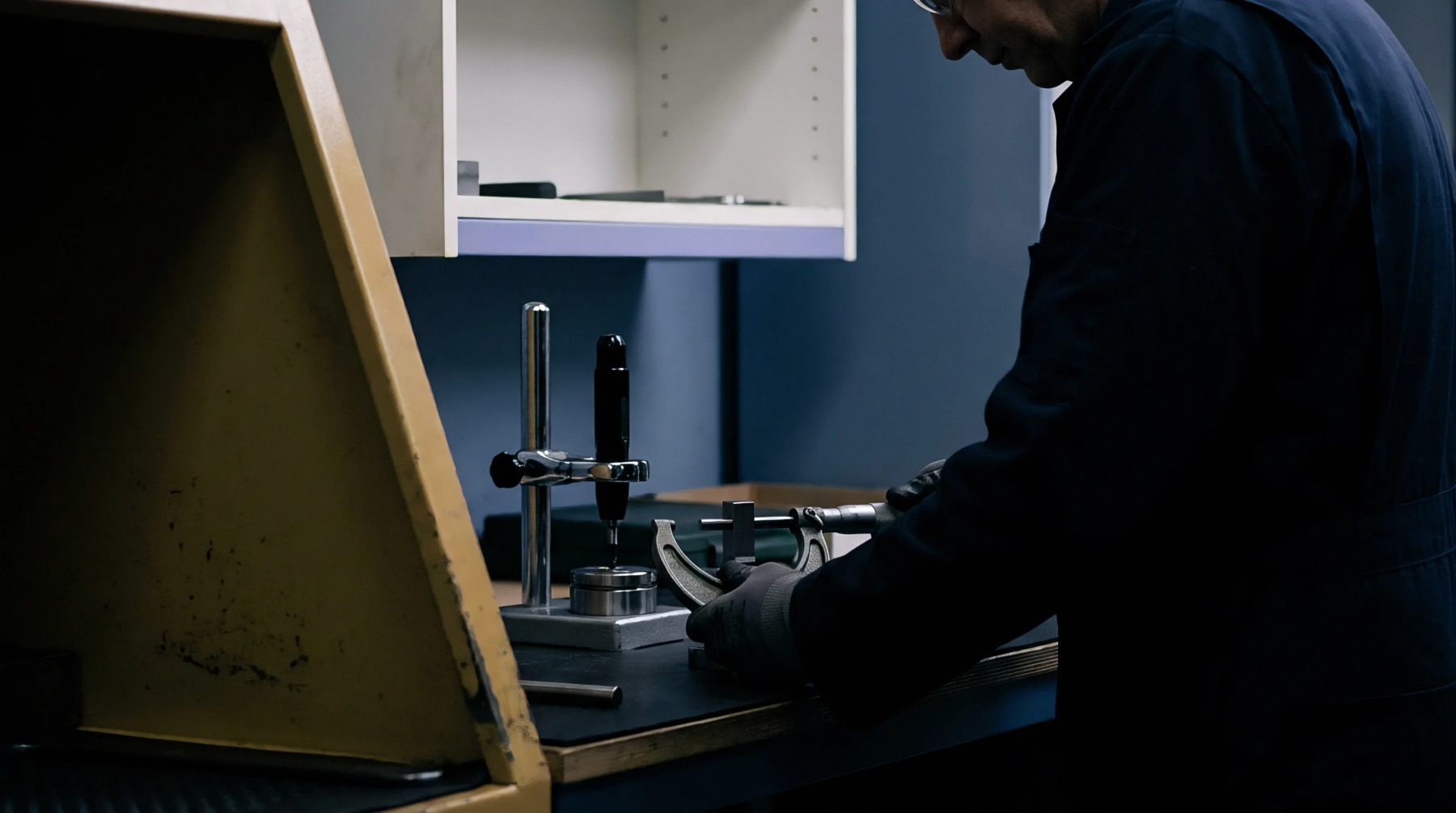
Dimensional inspection protocols measure micro molded wall thicknesses and pin grid array coplanarity against CAD nominal values to prove process capability.
Commercial Risk
Premature commitment to tooling investments before verifying resin lot viscosity stability creates severe yield loss risks during high volume scale up. Supplier formulation shifts can alter optimal barrel temperatures and mold cooling requirements, demanding complete re qualification of the injection cycle. Virgin regrind blending ratios must be strictly controlled because excessive thermal history degrades mechanical strength in structural connector housings.
Finished part costs reflect the high price of the raw polymer alongside specialized processing equipment maintenance, requiring rigorous waste reduction strategies to preserve operational margins.