Meaning
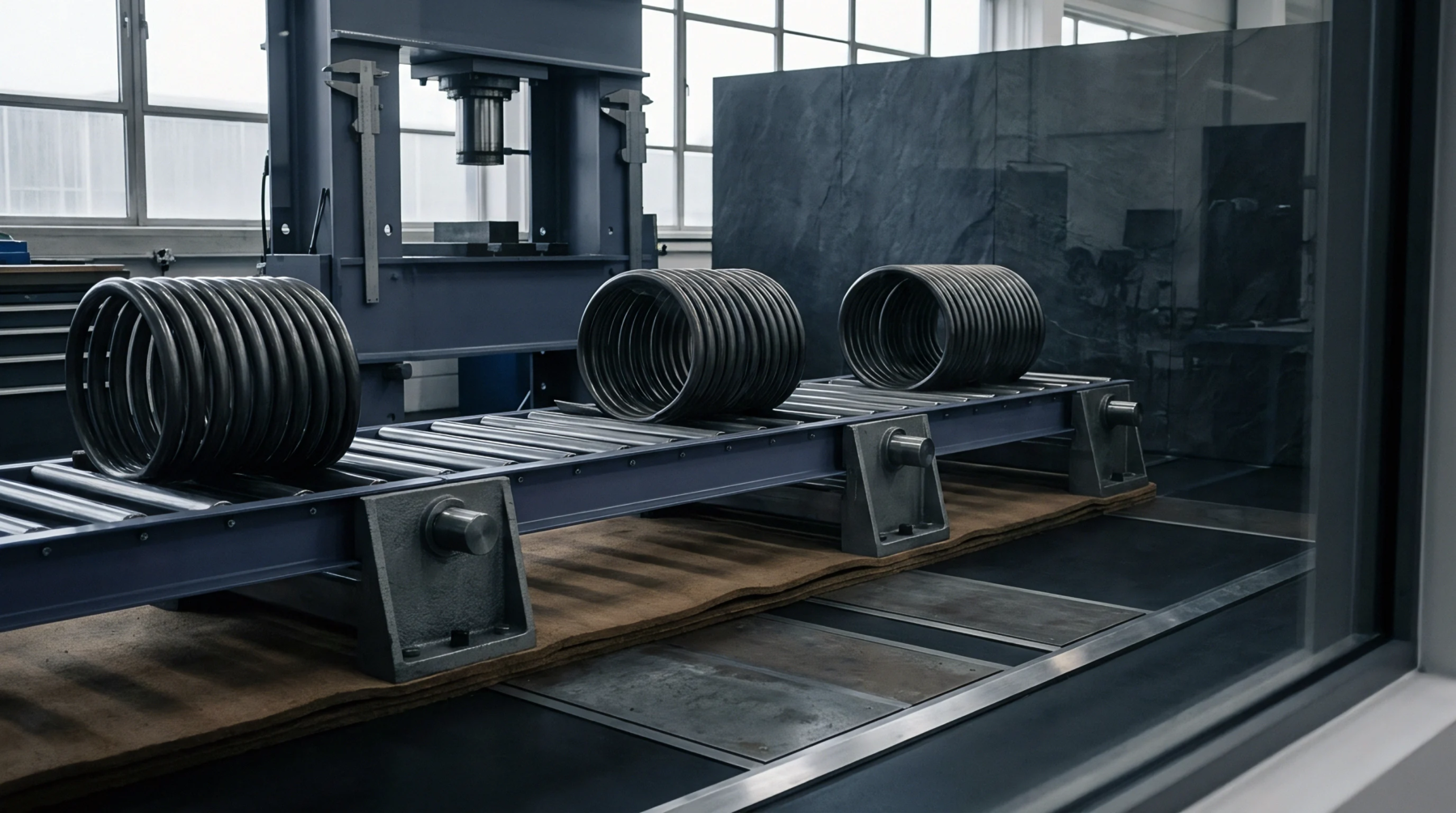
Material handling technology utilizes independent conveyor zones to transport cartons or pallets without allowing them to make physical contact with each other. This non-contact movement, known as zero pressure accumulation, protects fragile products and prevents material jams on automated transit lines by maintaining a small physical gap between transported units. Sensors in each zone detect the presence of an incoming item and automatically pause the upstream zone until the downstream zone is clear.
Deploying these systems without proper sensor calibration can lead to conveyor line lockouts or frequent, unnecessary stoppages that reduce overall distribution speed. This vulnerability is especially critical in high-speed fulfillment environments where any stoppage has immediate downstream impacts.
Material Flow
Congestion management on high-volume shipping lines depends on the intelligent control of products as they approach merges and sorting areas. Utilizing zero pressure accumulation ensures that packages are queued in an orderly fashion without accumulating head pressure that can crush light packaging. This controlled spacing prevents the piles and blockages that often disrupt manual sorting lines.
The technology is particularly valuable in distribution centers that handle a high mix of product sizes and weights.
Operational Efficiency
Energy consumption and machinery wear are reduced by running only the specific conveyor zones that are currently transporting items. By implementing zero pressure accumulation, the operations team ensures that motors are deactivated when no packages are present in their designated zone. This on-demand activation extends the operational life of the conveyor components and lowers electricity costs.
It provides a quiet, efficient, and safe environment for floor workers.
Conveyor System
Design and layout of sorting facilities require integrated control networks to manage the flow of goods across levels. Zero pressure accumulation systems use Ethernet-enabled controllers and photoelectric sensors to coordinate the speed of different sections. This digital coordination enables the facility to scale its throughput capacity to match demand spikes.
The system remains a critical component of fulfillment networks.