
Capillary Rheometer End Correction Data Processing Workflows
End-corrected capillary rheology isolates entry losses and non-Newtonian wall shear rates to establish accurate melt viscosity curves for compounding quality control.
End-corrected capillary rheology isolates entry losses and non-Newtonian wall shear rates to establish accurate melt viscosity curves for compounding quality control.

High-speed battery slurry coatability depends on controlling high-shear viscosity inside the slot die and thixotropic yield recovery during web drying transit.
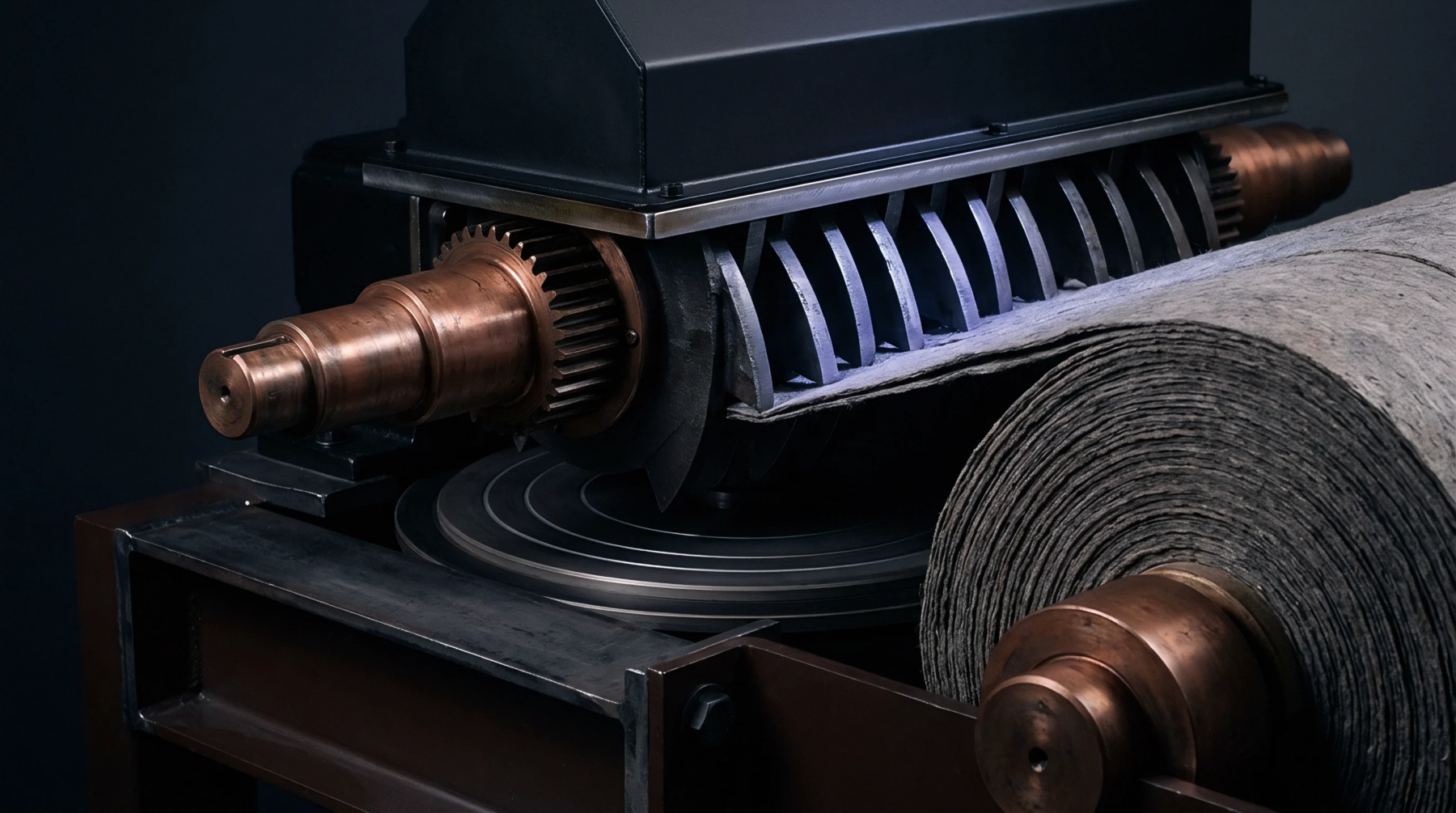
Non-linear viscosity calibration requires multi-point shear rheometry and Cross model fitting to prevent extreme die sizing and molding pressure errors.

Multi cavity mold gate shear rate evaluation requires Rabinowitsch-Mooney corrected velocity gradients matched against real micro-metrology tool dimensions.
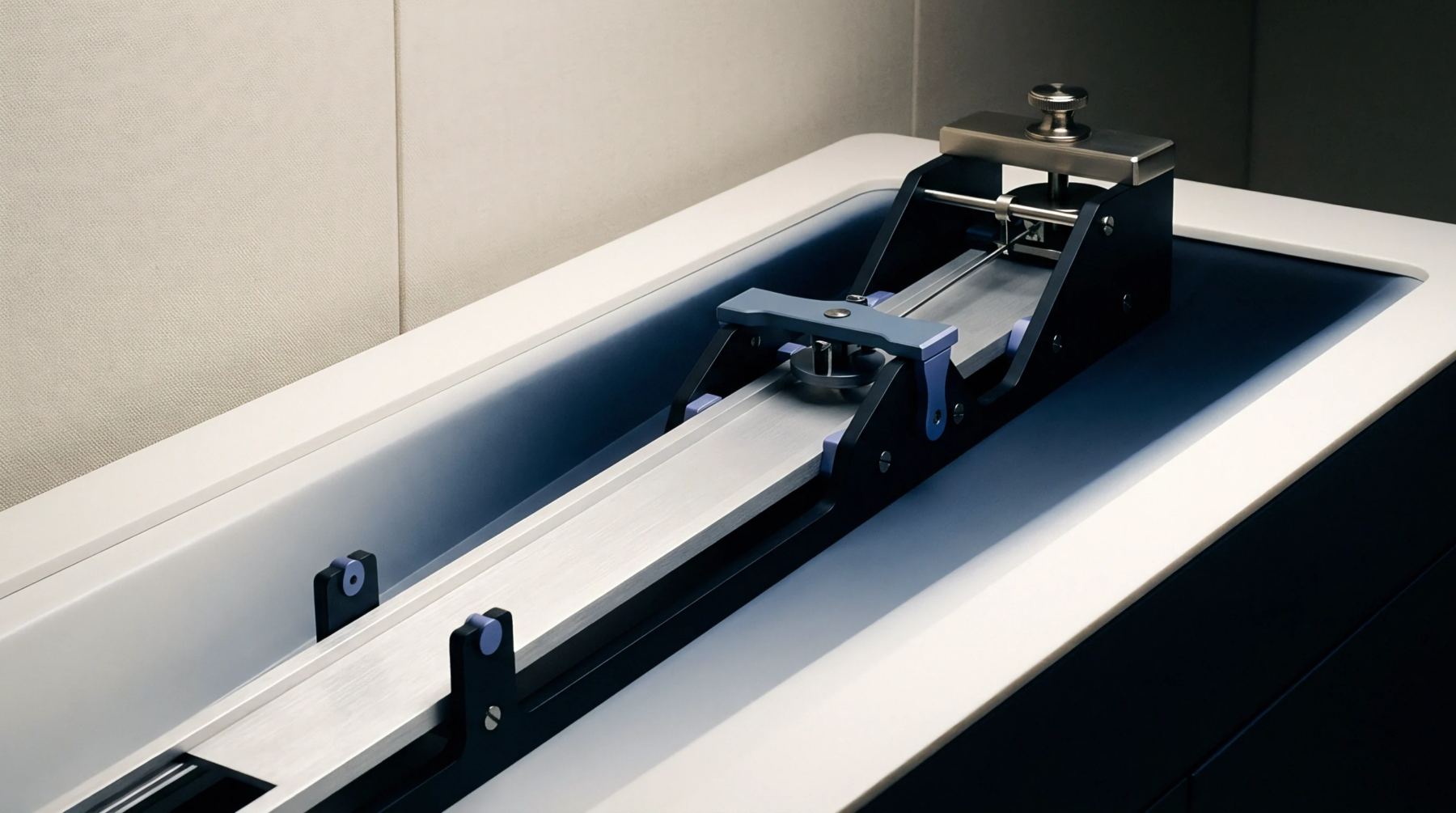
Polymer extrusion quality control limits require dynamic multi-point shear viscosity bounds at process shear rates to eliminate scrap and protect converting margins.

Non-isothermal viscous dissipation drives core melt temperature spikes that cause extrudate defects if die land geometry is not scaled to shear rates.
Bagley end corrections isolate true wall shear stress from entry pressure losses, preventing viscosity overestimation that distorts mold tooling and cash flow.
High rate slot die coating requires matching slurry thixotropic recovery timelines with line speed to prevent dynamic air entrainment and binder migration.

Polymer melt elastic limits constrain extruder output, driving scrap rates and inventory holding costs that erode operating margin and strain lending covenants.
Expertise is a utility, not a secret. sentiention™ publishes its working knowledge as open reference: intelligence layer covering the materials it sources, the markets it enters, and the reference that serves both.