
The Station That Governs a Doubling Is Rarely the Slowest Machine
Doubling manufacturing output rarely hinges on primary machinery speed; hidden batch steps, quality holds, and material handling govern true capacity limits.
Doubling manufacturing output rarely hinges on primary machinery speed; hidden batch steps, quality holds, and material handling govern true capacity limits.

Demonstrated quarterly output derived from primary controller logs provides the only reliable baseline for commercial capacity commitments and capital deployment.

Supplier capacity headroom verification requires measuring multi-shift demonstrated throughput under peak load, auditing tool life and sub-tier reserves, and enforcing utilization limits before approving commercial volume ramps.

Sub-tier machining headroom fails when unrecorded changeovers and scrap inflate availability; verify actual spindle logs and enforce capacity escrow clawbacks.

Product readiness requires a Cpk exceeding 1.67 across three continuous shifts with zero manual operator intervention before production capital is released.

Go conditions in board papers must enforce audited site throughput metrics and locked capital drawdown tranches rather than unadjusted vendor claims.

Stage gate governance for cross border capital scale up protects returns by locking currency hedges, enforcing FAT SAT verification, and tying tranche releases to physical site readiness.

A readiness assessment isolates immediate line throughput boundaries while deliberately excluding unmodelled human variance and macro supply chain shocks.

Dedicated facility capacity contracts protect off-takers by tying financial penalties to machine-level telemetry rather than host plant downtime logs.

Moving physical products from pilot lines to scale manufacturing requires eliminating human operator compensating loops and proving deterministic process capability.

Calculating production bottlenecks before signing equipment orders requires measuring true station sub-cycle times and intake variance against floor logs.

Enforceable throughput penalties require SCADA-backed downtime attribution and physical asset segregation to survive contract arbitration.
Auditing order book quality prevents premature capital commitments by matching facility expansion timing to verified, legally binding customer purchase orders.

Auditing raw enterprise resource planning transaction logs isolates physical throughput baseline metrics from administrative entries before volume commitments.

Stage gate capital allocation protects liquidity by tying manufacturing expansion funds directly to verified line throughput and station readiness.

Decoupling quality reporting from plant authority and granting independent stop-work rights resolves throughput conflicts and secures fiduciary compliance.

Baseline equipment availability requires derating nameplate machine speeds through audited line telemetry and yield gates before capital allocation.

Structure capital commitment stage gates to tie cash disbursements directly to verified machine performance thresholds and forward customer volume absorption rates.

Validating rated equipment capacity demands comparing OEM nameplate claims against actual shop floor queue arrival variance and historical downtime logs.
Enforcing rigorous, evidence-anchored stage gate controls over cross-border capital equipment imports prevents costly site debugging and protects project yields.

Dynamic conveyor buffer sizing uses empirical breakdown distributions in discrete event models to establish capital allocation bounds before hardware purchase.

Dedicated capacity contracts require net throughput definitions, direct fixed standby fees, real-time machine logging, and clear scrap liability caps.
Stage gate verification locks capital tranches behind verified machine capability, preventing premature asset scaling before operational constraints resolve.

Escrow capital releases bound to Bayesian credible interval lower limits prevent premature tranche disbursements during volatile commissioning ramp phases.

Pre-contract execution deconstruction of micro stoppage interdependencies prevents net yield loss by tying machine acceptance to high-speed telemetry logs.
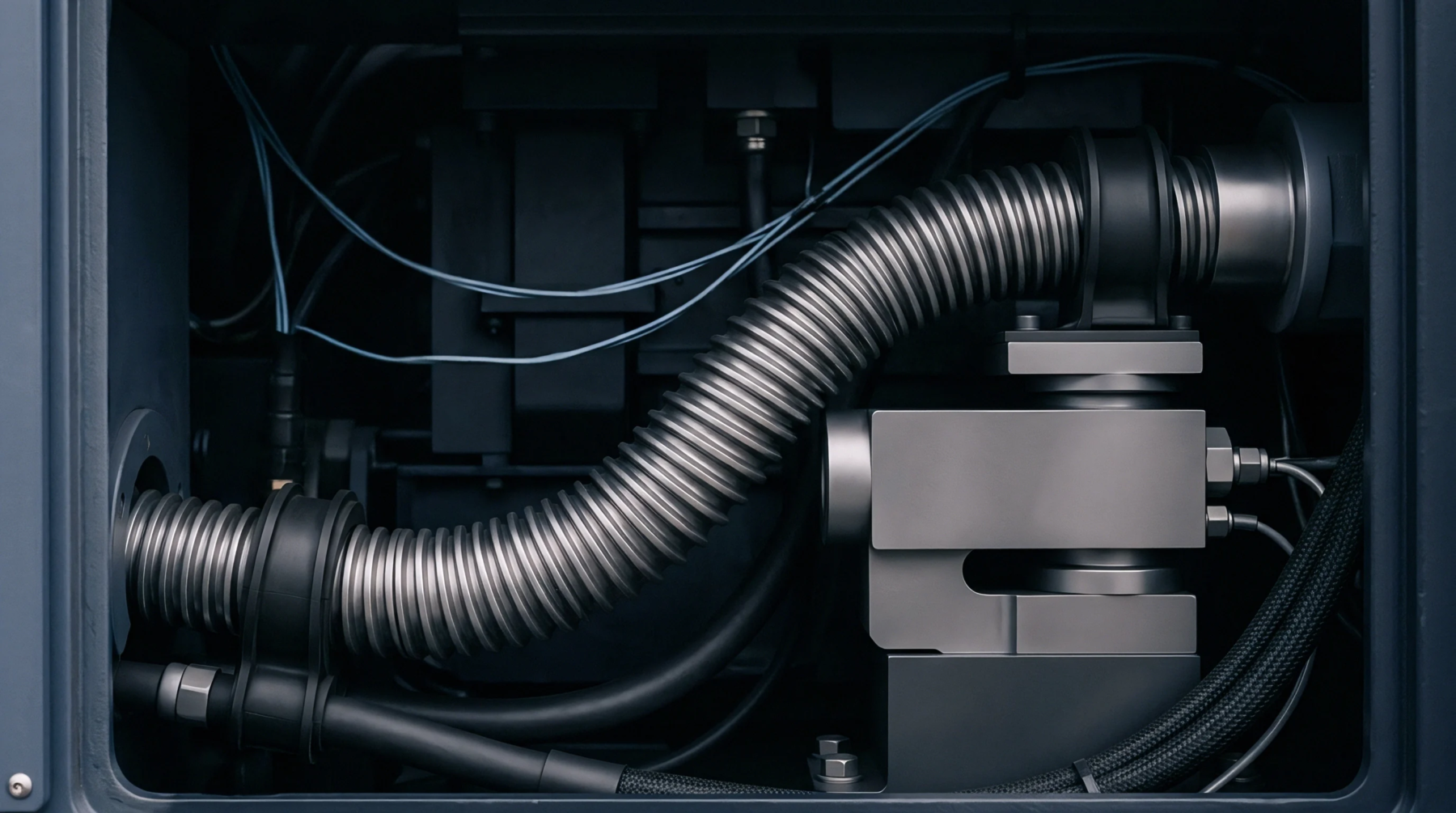
Unrecorded shadow capacity in precision subcontracting introduces dimensional drift that breaches contractual quality warranties and triggers strict back charges.

Determining subcontracted production limits demands shift-level cycle time analysis, handover scrap accounting, and verified machine constraint metrics.

Auditing industrial order books requires sifting firm purchase orders from non-binding forecasts before committing capital to factory expansion.

Stage gate capital allocation protects liquid reserves by conditioning manufacturing expansion funds on verified operational readiness and constraint removal.

Capital releases require verified floor telemetry demonstrating continuous throughput at the governing bottleneck under actual operating conditions.
Expertise is a utility, not a secret. sentiention™ publishes its working knowledge as open reference: intelligence layer covering the materials it sources, the markets it enters, and the reference that serves both.