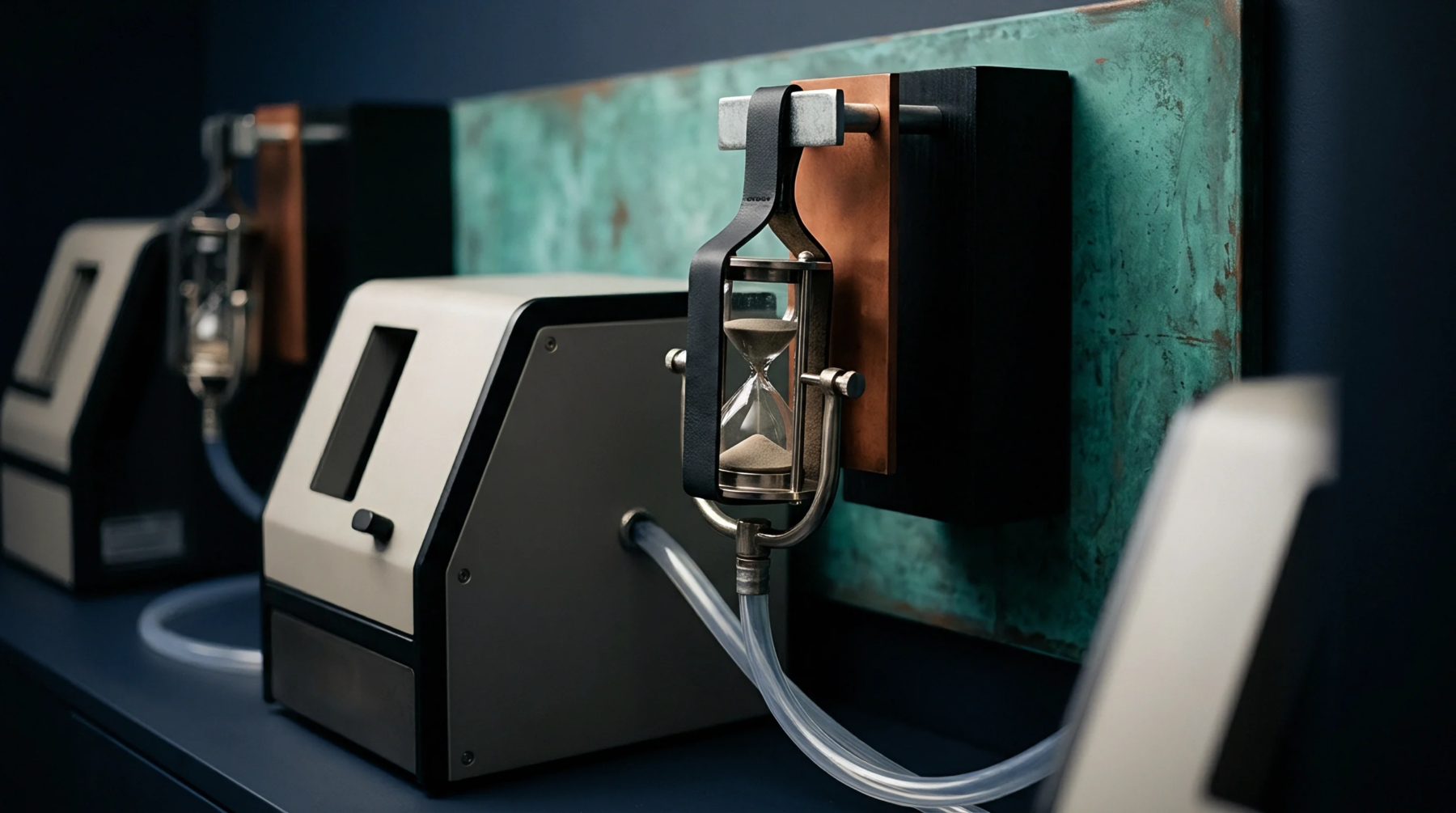
Capillary Rheometer End Correction Data Processing Workflows
End-corrected capillary rheology isolates entry losses and non-Newtonian wall shear rates to establish accurate melt viscosity curves for compounding quality control.
End-corrected capillary rheology isolates entry losses and non-Newtonian wall shear rates to establish accurate melt viscosity curves for compounding quality control.

Coupling DSC kinetics with rheological gel constraints isolates the precise process window for structural epoxy consolidation before matrix flow ceases.

DSC heat flow analysis verifies epoxy cure state by quantifying reaction enthalpy, glass transition shifts, and residual crosslinking to prevent part failure.
Dynamic radial thermal gradients shift peak electric field stress outward and double dielectric depolarization losses compared to isothermal estimates.
High temperature thermoset cure kinetics governs gelation timing, exotherm runaway risks, and press pressure application windows in structural composite molding.
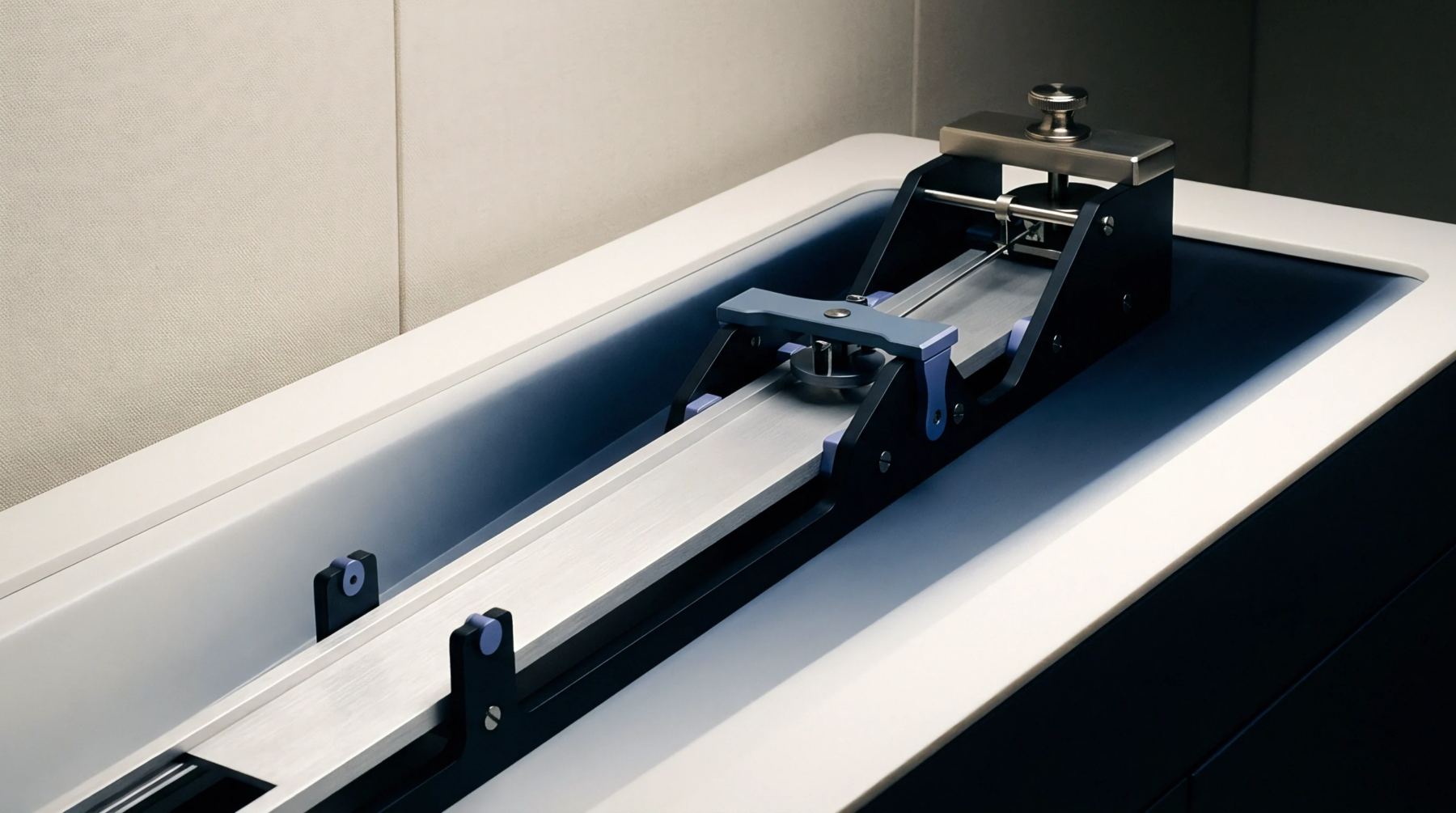
Polymer extrusion quality control limits require dynamic multi-point shear viscosity bounds at process shear rates to eliminate scrap and protect converting margins.

Differential scanning calorimetry provides exact epoxy cure kinetic parameters only when hermetic pan sealing, baseline subtraction, and vitrification diffusion limits are enforced.

Calorimetric resin cure kinetics demand dynamic baseline subtraction and diffusion corrections to avoid thermal runaway in scaled composite molds.
Expertise is a utility, not a secret. sentiention™ publishes its working knowledge as open reference: intelligence layer covering the materials it sources, the markets it enters, and the reference that serves both.