Meaning
Calculated physical boundary ranges define the dimensional expansion and contraction of machinery components subjected to temperature changes during operation. Mechanical design engineers establish a thermal expansion envelope to prevent structural binding, housing distortion and bearing seizure in high-temperature processing equipment. Uncontrolled thermal growth damages precision machine components and compromises dimensional accuracy.
Dimensional Movement
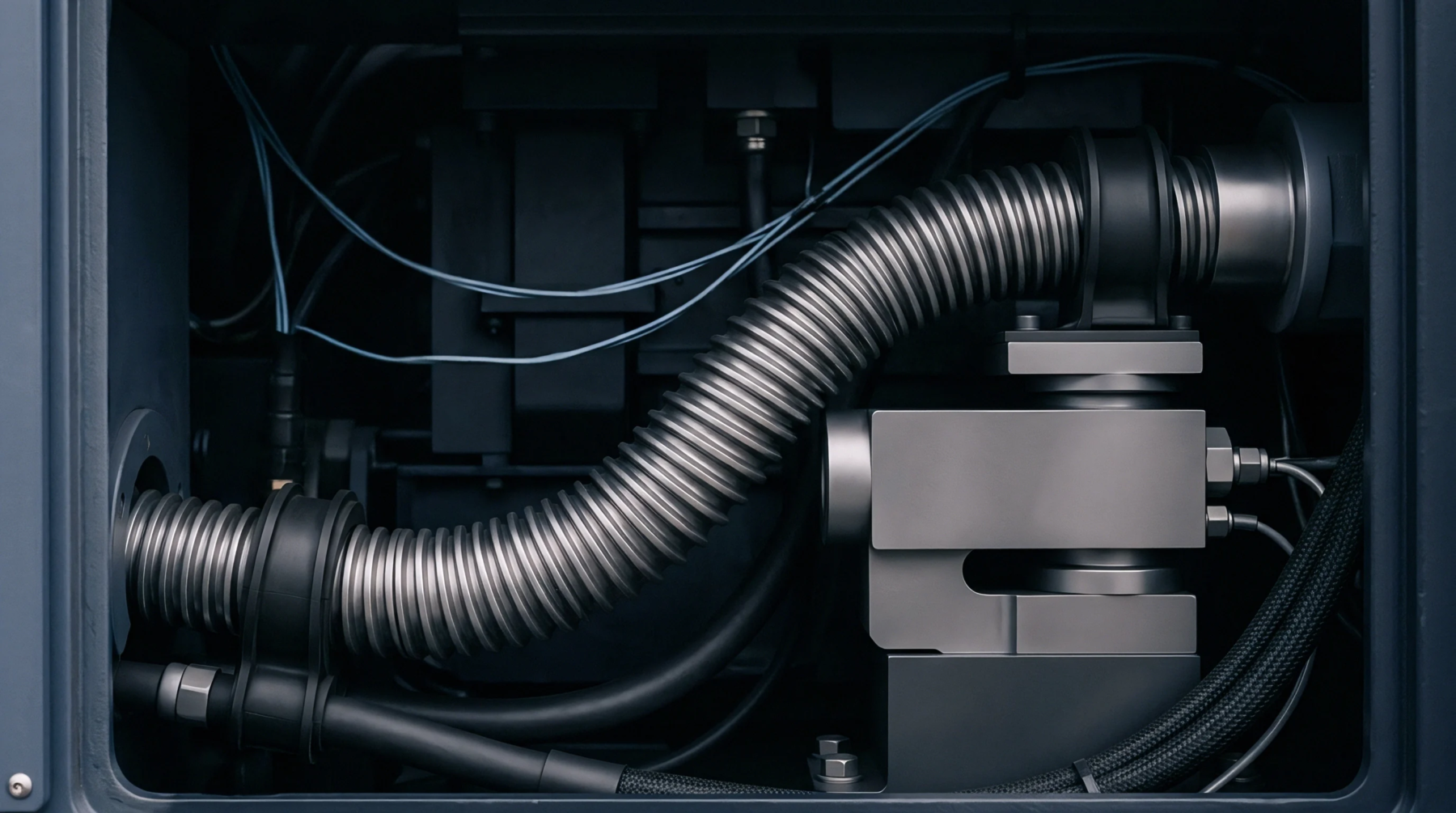
Thermal growth calculations predict material expansion based on coefficient of thermal expansion values, temperature differentials and physical component lengths. Accounting for the thermal expansion envelope during machine tool design requires incorporating expansion joints, floating bearings and flexible utility couplings into structural assemblies. Machine tools operating at elevated temperatures experience spindle growth that alters tool-center positions, leading to dimensional drift in finished parts.
Active thermal compensation software uses temperature sensor inputs to adjust axis offsets dynamically as the machine warms up to operating equilibrium.
Clearance Tolerances
Internal spacing allowances accommodate thermal component growth without inducing mechanical stress. Defining the thermal expansion envelope prevents interference fits between moving shafts and stationary housings during rapid thermal cycles.
Operating Limits
Equilibrium boundaries dictate maximum allowable operating temperatures across critical mechanical drives. Exceeding the designed thermal expansion envelope causes housing distortion and binding in gearboxes, leading to sudden mechanical failure. Monitoring component temperatures prevents catastrophic machine seizures during continuous high-load operations.