Meaning
Scientific measurements determine the physical and chemical properties of synthetic macromolecular substances. Manufacturers rely on polymer metrology to ensure that plastic components function correctly in demanding applications like medical devices or aerospace parts. This field addresses the unique challenges of measuring materials that expand and contract with temperature changes.
Material Characterization
Analysis of molecular weight and viscosity provides insight into how the material will behave during the manufacturing process. Within the scope of polymer metrology, tests like differential scanning calorimetry reveal the glass transition temperature of the plastic. Knowing these limits is essential for setting the correct molding parameters.
Precision Tooling
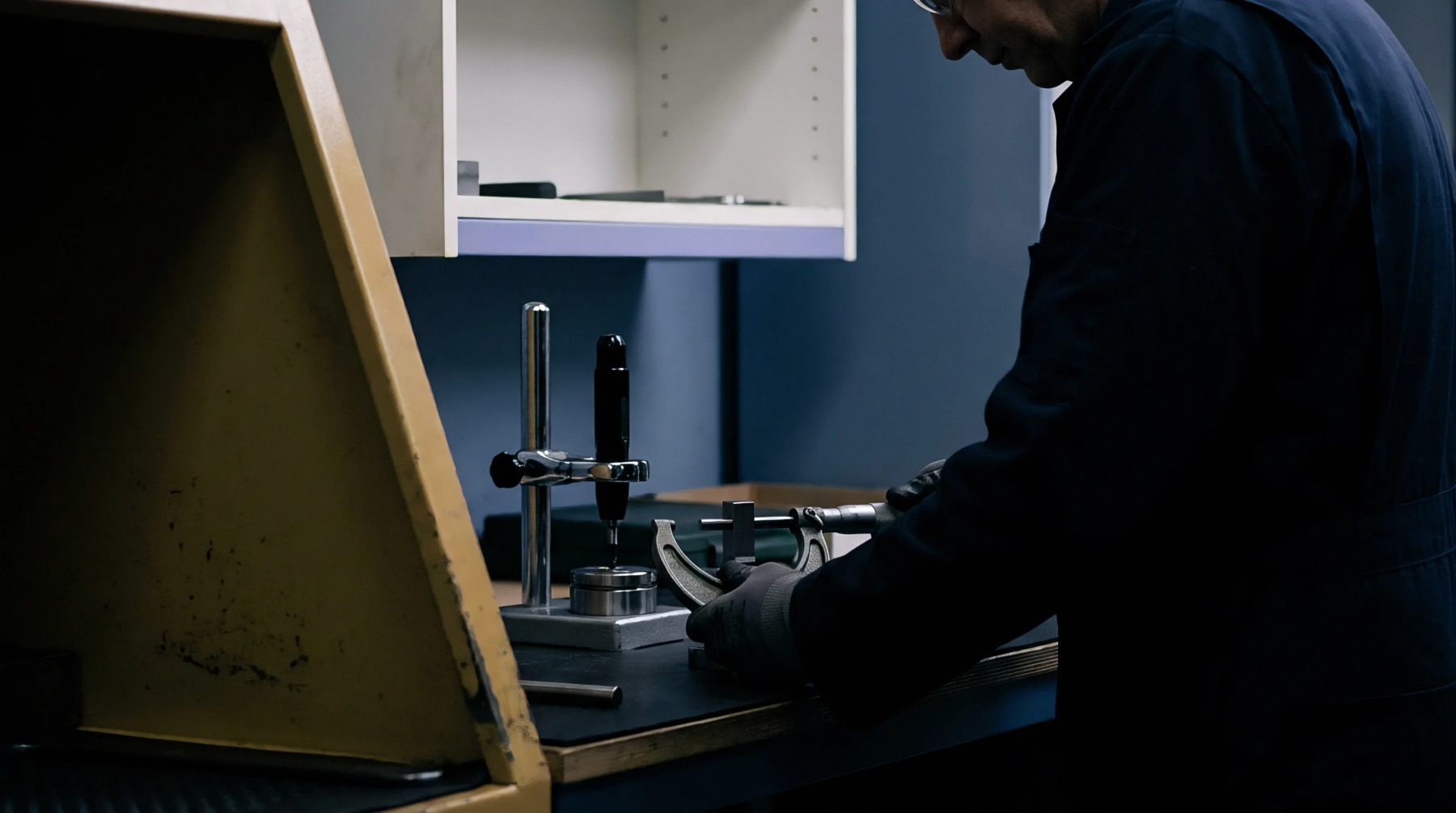
Calibration of measurement equipment must account for the softness of the plastic to prevent the probe from deforming the part. Specialized sensors in polymer metrology use non contact methods like laser scanning to capture the shape of flexible items. This prevents the measurement process itself from introducing errors into the data.
Quality Control
Inspection of finished parts verifies that they meet the tight tolerances required for assembly. Because plastic parts continue to change size for hours after they leave the mold, polymer metrology procedures often require a cooling period before the final check is performed. Consistent environmental conditions in the lab are necessary to produce repeatable results.
Long term studies of dimensional stability help engineers predict how a part will perform over its entire service life.