Moisture Deduction Protocols and Mechanical Splitting Variance in Heavy Scrap
Enforce mechanical split-sample oven drying under ISO 14284 to eliminate water weight overpayment and protect inventory borrowing base covenants.

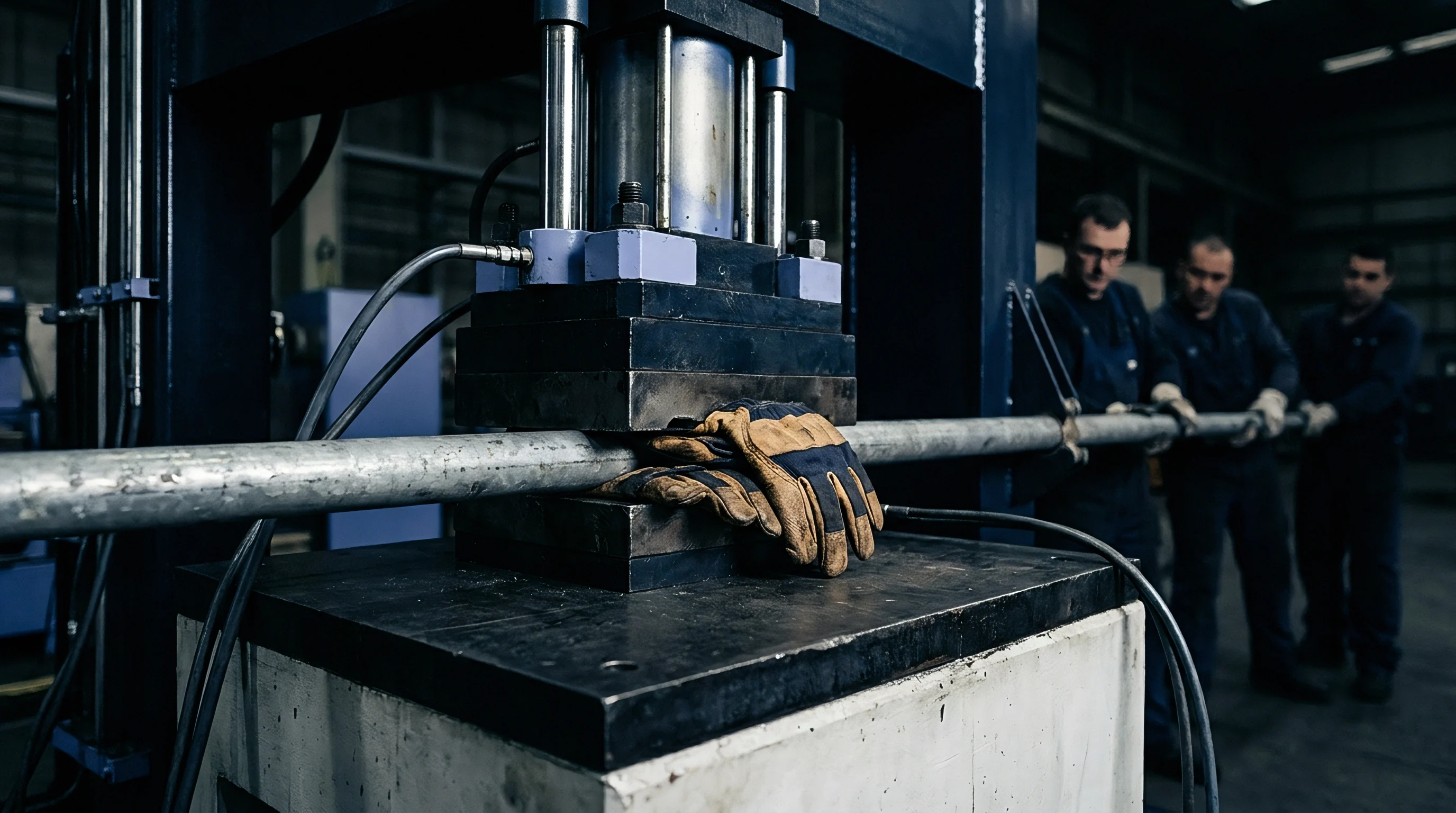
Entrapment
Heavy ferrous scrap carries ambient water in interstitial spaces, hollow structural geometry, and surface iron oxide layers. Delivery weights taken at weighbridges measure total mass, treating trapped water as dense metal. When scrap sits in open storage yards, rain penetrates dense scrap piles through capillary channels, pooling inside sheared pipe sections, closed steel drums, and folded plate assemblies.
Water adds no yield.
The geometry of heavy melting scrap dictates its liquid holding capacity. Dense scrap grades such as heavy breakable cast iron and structural steel shapes create structural pockets that isolate water from surface evaporation. Heavy turnings and borings form tightly coiled spring matrices that capture moisture through surface tension, maintaining high moisture levels deep within storage piles.
Heavy plate scrap holds moisture predominantly along oxidized surface scales, where porous rust layers retain liquid against force.
Surface tension within dense turnings matrices holds liquid trapped against gravitational drainage long after rain stops.
Shipment transit amplifies moisture accumulation across long supply chains. Maritime transport in open hatches exposes bulk scrap to deck runoff and ambient humidity changes, creating thermal condensation cycles known as cargo sweat. Railcars standing in transit sidings gather rainwater through exposed top loads, accumulating free water at the floor level where drainage holes are plugged by fine mill scale and rust particles.
A forty-tonne load of unprocessed heavy scrap can gather nearly two tonnes of unaccounted water during transit through severe rainfall.
Scrap yards encounter distinct physical moisture trap mechanisms during material preparation and storage:
- Sheared Pipe Retaining Pockets retain water inside closed or crimped ends formed during hydraulic shear operations.
- Porous Rust Scale Matrices absorb liquid into thick surface layers of iron oxide formed on aged structural steel.
- Nested Turnings Clusters hold water droplets inside tightly wound metal spirals through capillary attraction.
- Ice Inclusions lock frozen water inside packed bundles during winter processing, concealing liquid mass during initial weighbridge readings.
Ignoring water entrapment during yard receiving inflates stock valuations and corrupts furnace charge calculations. Wet scrap charged into electric arc furnaces causes violent steam expansion explosions, presenting severe operational safety hazards alongside commercial loss. Buyers failing to adjust gross scale weights for internal liquid retention pay virgin metal prices for water.
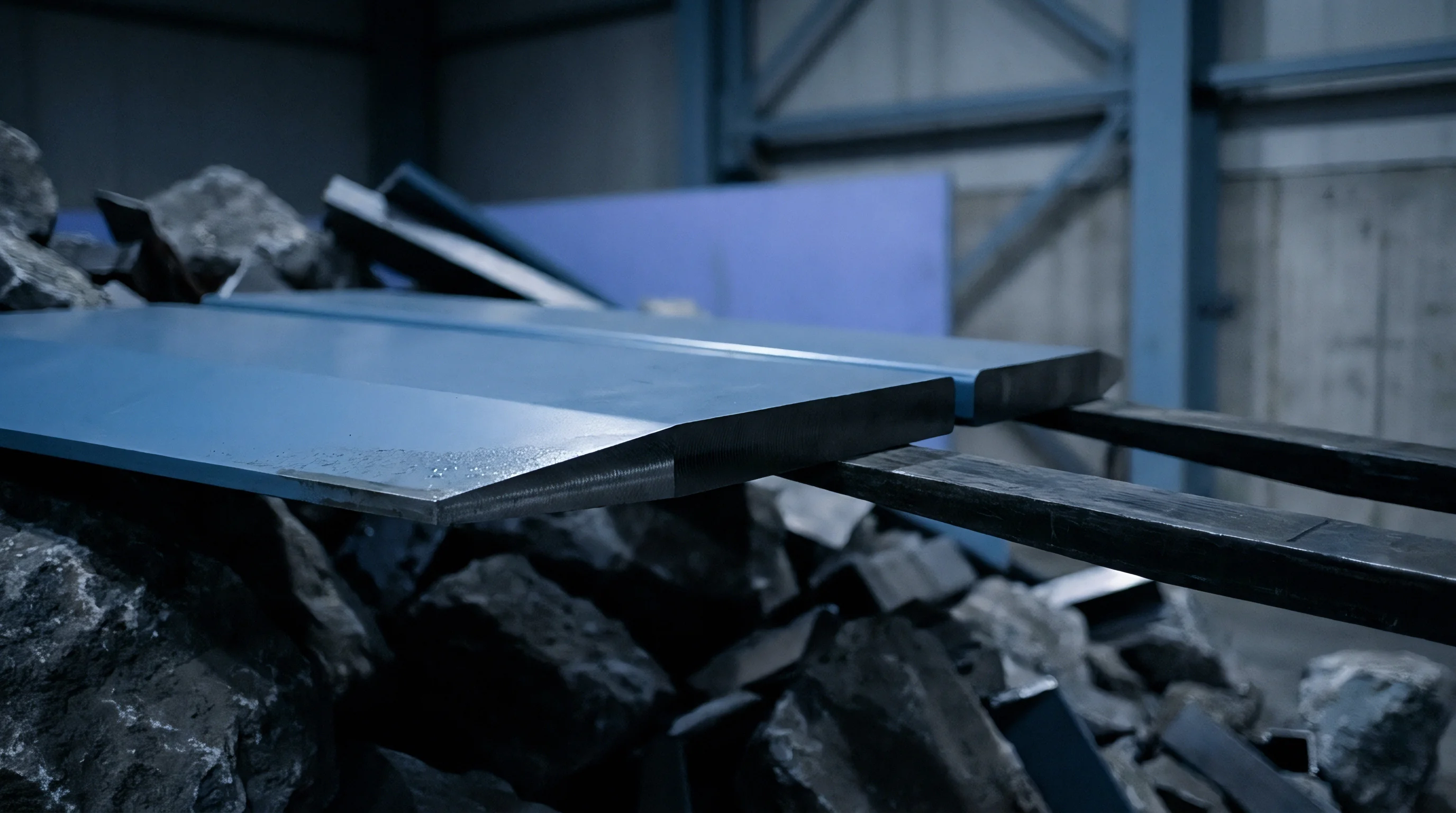

Splitting
Extracting a representative two-kilogram analytical lot from a fifty-tonne shipment demands mechanical reduction steps that alter the moisture distribution. Gross scrap samples collected from grab buckets carry non-uniform moisture levels across varying particle sizes. Reducing a bulk sample down to laboratory testing size requires mechanical splitters, hydraulic cutters, and shredding units.
Mechanical splitting divides the gross sample into smaller representative fractions, yet the physical energy applied during splitting alters water content.

Does Mechanical Splitting Bias Particle Size Ratio?
Mechanical splitting equipment partitions heavy scrap through impact, shearing, or rotary force. Fine particles smaller than five millimeters retain up to four times more moisture by weight than heavy plate sections exceeding twelve millimeters. Rotary disc splitters throw finer particles outward faster than dense plate fragments due to differential momentum, segregating high-moisture fines into specific collection hoppers.
Hydraulic shearing units compress hollow scrap pieces during cutting, expelling trapped water before the sample reaches the analytical scale.
| Splitting Technique | Mechanical Action | Fine Particle Bias | Moisture Loss Mechanism | Observed Variance |
|---|---|---|---|---|
| Riffle Splitter | Gravity chute division | Low retention of oversized pieces | Dust generation and ambient evaporation | Plus or minus 0.45 percent |
| Hydraulic Shear Splitter | High-pressure mechanical cutting | Uniform size reduction | Physical expulsion of squeezed liquid | Minus 1.20 percent |
| Rotary Sample Divider | Centrifugal force distribution | High fine-particle concentration | Centrifugal fluid displacement | Plus 0.85 percent |
| Manual Coning and Quartering | Hand shoveling and heap division | Severe fine-particle segregation | Extended ambient exposure drying | Minus 1.80 percent |
Manual sample division methods introduce unacceptable operator variance into scrap valuation. Coning and quartering heavy scrap containing diverse particle sizes causes larger, drier pieces to roll down the outer sides of the cone while wet fines concentrate at the core. Mechanical splitters eliminate human selection bias, but operators must calibrate equipment to prevent kinetic moisture expulsion during processing.
Executing an unbiased mechanical sample division requires a disciplined multi-stage protocol from bulk collection to final oven preparation:
- Extract twenty primary increments from across the delivered load using a hydraulic grab at staggered depth layers.
- Consolidate increments immediately inside a sealed, non-absorbent container to prevent atmospheric moisture loss.
- Pass the consolidated primary sample through a low-speed mechanical jaw crusher to reduce oversized fragments below twenty-five millimeters without generating frictional heat.
- Feed the crushed material into a rotary riffle splitter operating at constant speed to collect a ten-percent analytical fraction.
- Weigh the divided analytical fraction immediately on a calibrated balance to record wet sample mass before laboratory drying.
Heat generated by high-speed mechanical shredders evaporates volatile moisture before initial sample mass can be recorded. Low-speed hydraulic reduction equipment preserves liquid content within the sample container, maintaining analytical integrity. Suppliers routinely argue that water loss during high-energy mechanical shearing occurs naturally through flash evaporation and does not represent an intent to alter net dry weight.
Deductions
Commercial settlement terms in international scrap trading rely on net dry weight calculations established through standard moisture determination testing. Standard guidelines published by the Institute of Scrap Recycling Industries alongside ISO 14284 set operational frameworks for moisture testing. Laboratory procedure requires heating split sample fractions in forced-air drying ovens at one hundred five degrees Celsius until sample mass reaches numerical stability.
The weight differential between wet received mass and dry oven mass defines the moisture percentage applied against the gross delivery weight.
Deduction protocols apply specific formulas to convert raw moisture percentage into invoice price adjustments. Standard commercial contracts grant a baseline allowable moisture threshold, typically set at one percent of total shipment weight. Moisture measured below this threshold incurs no financial adjustment.
Water content exceeding the contractual baseline triggers direct weight deductions or tiered penalty scaling.
| Scrap Grade Specification | Baseline Allowance | Deduction Calculation Formula | Penalty Threshold | Rejection Limit |
|---|---|---|---|---|
| HMS 1 Structural (ISRI 200) | 1.0 percent net mass | Direct 1:1 weight deduction above baseline | 3.0 percent water mass | Exceeding 5.0 percent |
| HMS 2 Heavy Plate (ISRI 201) | 1.5 percent net mass | Direct 1:1 weight deduction above baseline | 3.5 percent water mass | Exceeding 6.0 percent |
| Shredded Ferrous (ISRI 211) | 1.0 percent net mass | 1.5:1 weighted penalty deduction above baseline | 2.5 percent water mass | Exceeding 4.5 percent |
| Machine Shop Turnings (ISRI 219) | 2.0 percent net mass | Direct weight deduction plus oil extraction penalty | 5.0 percent fluid mass | Exceeding 8.0 percent |
Disputes over weight deductions arise when sampling variance shifts measured moisture percentages across contract thresholds. A shift of zero point five percent on a five-thousand-tonne bulk scrap shipment alters net billing weight by twenty-five tonnes. Buyers protect working capital by maintaining rigorous verification procedures at receiving docks.
Contractual moisture allowances above one percent directly transfer liquid transportation costs from the scrap seller to the steelmaker ledger.
Receiving managers enforce standard verification steps before approving moisture deduction adjustments on incoming invoices:
- Scale Calibration Audits confirm weighbridge accuracy against certified test weights before recording gross shipment mass.
- Sealed Control Increment Verification ensures analytical samples match the precise physical lot delivered without substitution.
- Dual-Oven Temperature Recording proves laboratory drying ovens maintained one hundred five degrees Celsius throughout the test cycle.
- Atmospheric Pressure Adjustments correct dry weight calculations for barometric changes during multi-day oven testing operations.
Inserting ISO 14284 Clause 7.3 into purchase agreements binds both buyer and seller to split-sample drying at 105 degrees Celsius, eliminating informal visual moisture allowances.

Margin
Unaccounted water mass converts directly into inflated inventory valuations on management accounts, inflating reported profits while draining liquidity. Buying raw scrap on gross weighbridge mass without adjusting for moisture forces companies to record liquid water as physical raw material stock. Inventory values under international accounting standards require valuation at the lower of cost and net realizable value.
Water held on inventory ledgers at three hundred eighty dollars per tonne creates sudden write-downs when melt operations yield lower metallic output than purchased mass indicated.
Consider a working capital scenario involving a bulk scrap purchase under real market conditions. Take a one-thousand-tonne delivery of HMS 1 structural scrap contracted at three hundred eighty dollars per tonne, financed through a ninety-day revolving trade facility at eight point five percent annual interest. Weighbridge scales record one thousand tonnes gross weight.
Laboratory oven drying of mechanically split samples reveals an unadjusted moisture content of three point five percent, exceeding the standard one percent baseline allowance by twenty-five tonnes of net water mass.
| Financial Metric | Unadjusted Gross Settlement | Adjusted Net Dry Settlement | Working Capital Variance |
|---|---|---|---|
| Billable Tonnage | 1,000.00 gross tonnes | 975.00 dry tonnes | 25.00 paid water tonnes |
| Invoiced Material Cost | $380,000.00 | $370,500.00 | $9,500.00 overpayment |
| Facility Financing Cost (90 Days) | $8,075.00 | $7,873.13 | $201.87 excess interest |
| Effective Landed Cost Per Dry Tonne | $388.08 per dry tonne | $380.00 per dry tonne | $8.08 margin erosion per tonne |
Overpaying nine thousand five hundred dollars upfront consumes cash balance reserves while increasing borrowing facility utilization. The debt service cost attached to financing twenty-five tonnes of water drains liquidity without generating operational yield. Phantom weight drains cash.
Financing unadjusted moisture weight on trade credit facilities drains facility headroom while generating zero metallic melt yield.
Lenders providing inventory borrowing base facilities audit physical scrap yards to evaluate asset coverage. Borrowing base formulas calculate allowable credit lines as a percentage of eligible raw material inventory. Bank auditors apply aggressive valuation haircuts when scrap yards lack standardized mechanical sampling and moisture deduction protocols.
A ten percent inventory valuation haircut imposed by a senior lender reduces credit facility drawdown availability immediately, restricting available working capital for future scrap procurement.
The precise threshold at which automated inline microwave moisture sensors match the legal enforceability of laboratory oven drying remains unresolved across primary steelmaking jurisdictions.
Settlement
Resolving commercial claims over water weight variance requires rigid contractual protocols established before vessel loading or truck dispatch. Purchase contracts must define sampling machinery, allowable tolerance bands, and formal arbitration steps for split-sample discrepancies. When buyer and seller laboratory tests yield conflicting moisture percentages, clear contract terms dictate how third-party umpire laboratories evaluate retained sample splits.
Retaining split samples under sealed, vapor-proof conditions protects both commercial counterparties during quality claims. The mechanical splitting process must generate three identical analytical sample portions at the receiving terminal. The buyer tests portion one, the seller receives portion two, and portion three remains stored inside a tamper-evident, metalized foil container as an umpire sample.
If the buyer laboratory and seller laboratory differ by more than zero point five percent moisture content, the sealed umpire sample goes to an accredited independent laboratory whose result governs final billing adjustments.
Effective scrap procurement contracts incorporate standard protective mechanisms to resolve moisture discrepancies:
- Mandatory Mechanical Sample Division defines exact machinery specifications for sample preparation, prohibiting manual shovel sampling.
- Umpire Cost Allocation Clauses oblige the party whose laboratory result strays furthest from the umpire reading to pay all testing fees.
- Automatic Cash Deduction Adjustments empower buyers to withhold moisture deduction amounts directly from pending invoice settlements.
- Maximum Moisture Rejection Thresholds grant buyers the unconditional right to reject incoming shipments carrying fluid mass above agreed limits.
Sealed containers preserve mass. Incorporating rigorous sampling standards alongside clear trade facility terms turns technical measurement discipline into protected cash balance reserves.
When moisture measurements between buyer and seller laboratories disagree, the lower drying temperature protocol always yields the higher residual water error.