Meaning
Engineering plastics formed through chain copolymerization yield an advanced class of amorphous thermoplastics known as cyclic olefin copolymer. This specialized material answers the readiness question of whether optical clarity and moisture barrier performance can survive high heat sterilization runs without dimensional drift or chemical leeching. Molecular architecture featuring bulky ring structures locks polymer chains into rigid configurations that prevent crystallization and preserve light transmission across visible and infrared spectra.
Parts moulded from the compound undergo high temperature stress audits to prove that thermal resistance thresholds match design specifications before commercial manufacturing greenlights full scale assembly. Calling the material early based solely on benchtop supplier data rather than demonstrated high volume run rates incurs heavy scrap costs when cavity filling fails under production clamping pressures.
Polymer Rheology
Melt behaviour during injection molding dictates whether complex geometry fills completely before premature freezing halts flow across thin walled cavities. Shear thinning characteristics force operators to calibrate screw velocities precisely because excessive friction degrades the cyclic backbone and introduces microscopic haze into finished lenses or microfluidic channels. Viscosity profiles diverge sharply from standard polyolefins due to rigid ring constraints that demand elevated barrel temperatures to achieve proper plasticization.
Tooling designers must compensate for high volumetric shrinkage rates by cutting larger cavity dimensions into steel inserts to prevent out of tolerance parts after ambient cooling stabilizes internal stresses.
Barrier Performance
Moisture vapor transmission rates determine how effectively pharmaceutical blisters and diagnostic vials protect sensitive chemical reagents from ambient humidity over extended shelf lives. Amorphous packing structures eliminate micro voids that normally allow water molecules to migrate through semicrystalline packaging polymers. Hydrophobic surface properties prevent aqueous solutions from wetting interior container walls, ensuring complete sample recovery during automated pipetting sequences.
Testing regimens subject sealed vessels to accelerated aging chambers filled with high steam pressure to verify that hermetic seals withstand tropical storage conditions without degrading barrier integrity.
Optical Fidelity
Transmittance values exceeding ninety percent across visible wavelengths enable precision lenses and optical wave guides to replace heavy glass components in medical and sensor assemblies. Refractive index stability prevents focal point migration when ambient operating temperatures fluctuate during continuous laser scanning operations. Birefringence remains exceptionally low because random chain coiling suppresses internal optical interference patterns that typically distort polarized light signals passing through molded substrates.
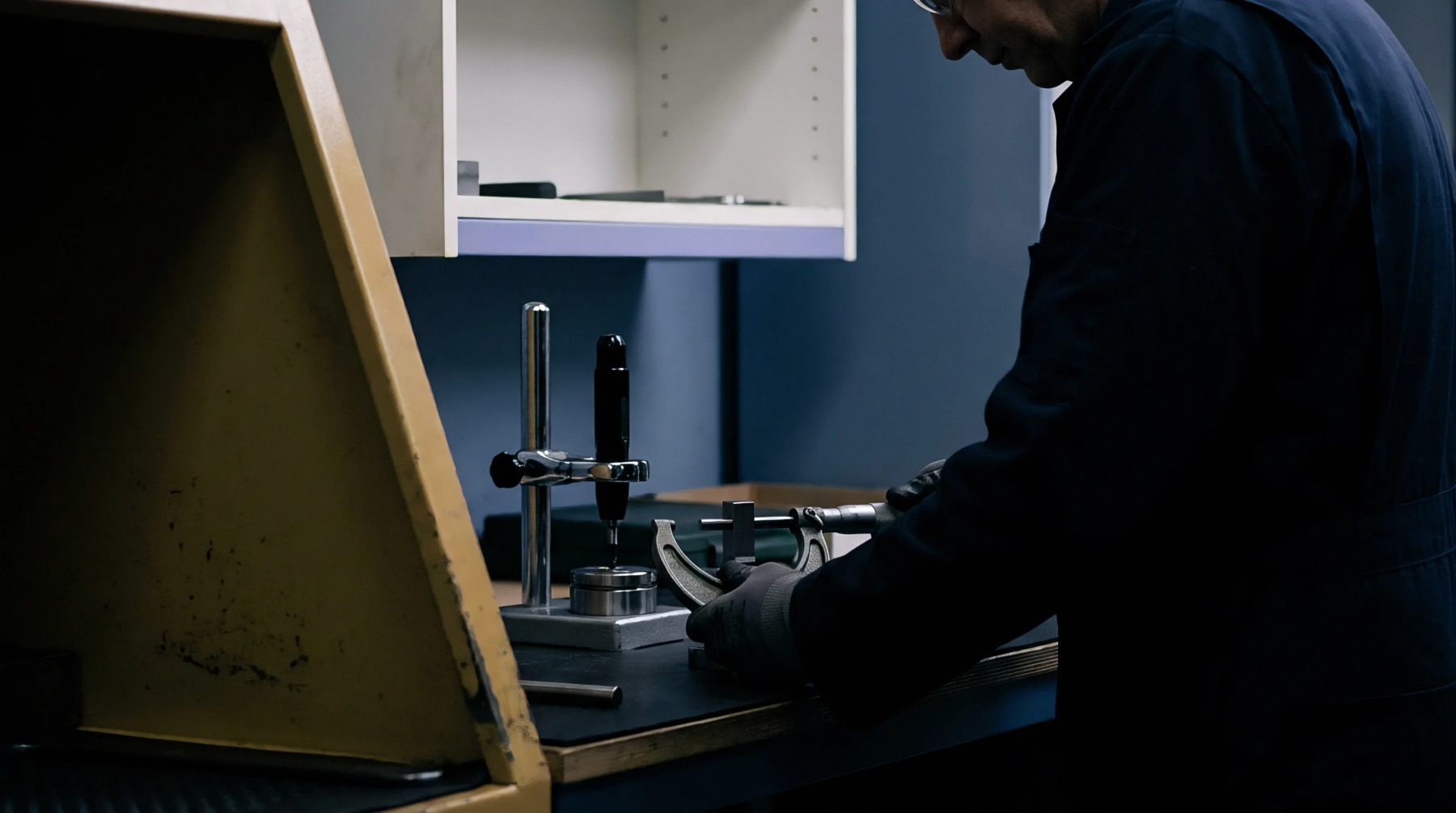
Quality control laboratories measure internal stress levels using polarized light benches to reject components exhibiting residual molding strain before final packaging and delivery to downstream customers.