
Managing Cash Conversion Cycles during Rapid Corporate Growth
Growth consumes cash before returning margin; unmanaged sales acceleration without borrowing base headroom or shortened payment terms causes corporate insolvency.
Growth consumes cash before returning margin; unmanaged sales acceleration without borrowing base headroom or shortened payment terms causes corporate insolvency.

Cross-border trade credit synchronization aligns payment terms with physical transit velocity to prevent working capital depletion during revenue contractions.

Asset-based borrowing bases require dynamic dilution reserves and strict cross-aging buffers to prevent catastrophic cash exhaustion during sales surges.

Operating cash flow deficits equal incremental sales multiplied by working capital days minus margin, requiring committed credit facilities to fund expansion.

Performance guarantees drain working capital by converting borrowing bases and liquid cash into restricted bank collateral across multi-year project lifecycles.

Unbilled revenue records performance without generating liquidity, converting working capital into illiquid balance sheet entries until milestone verification clears.
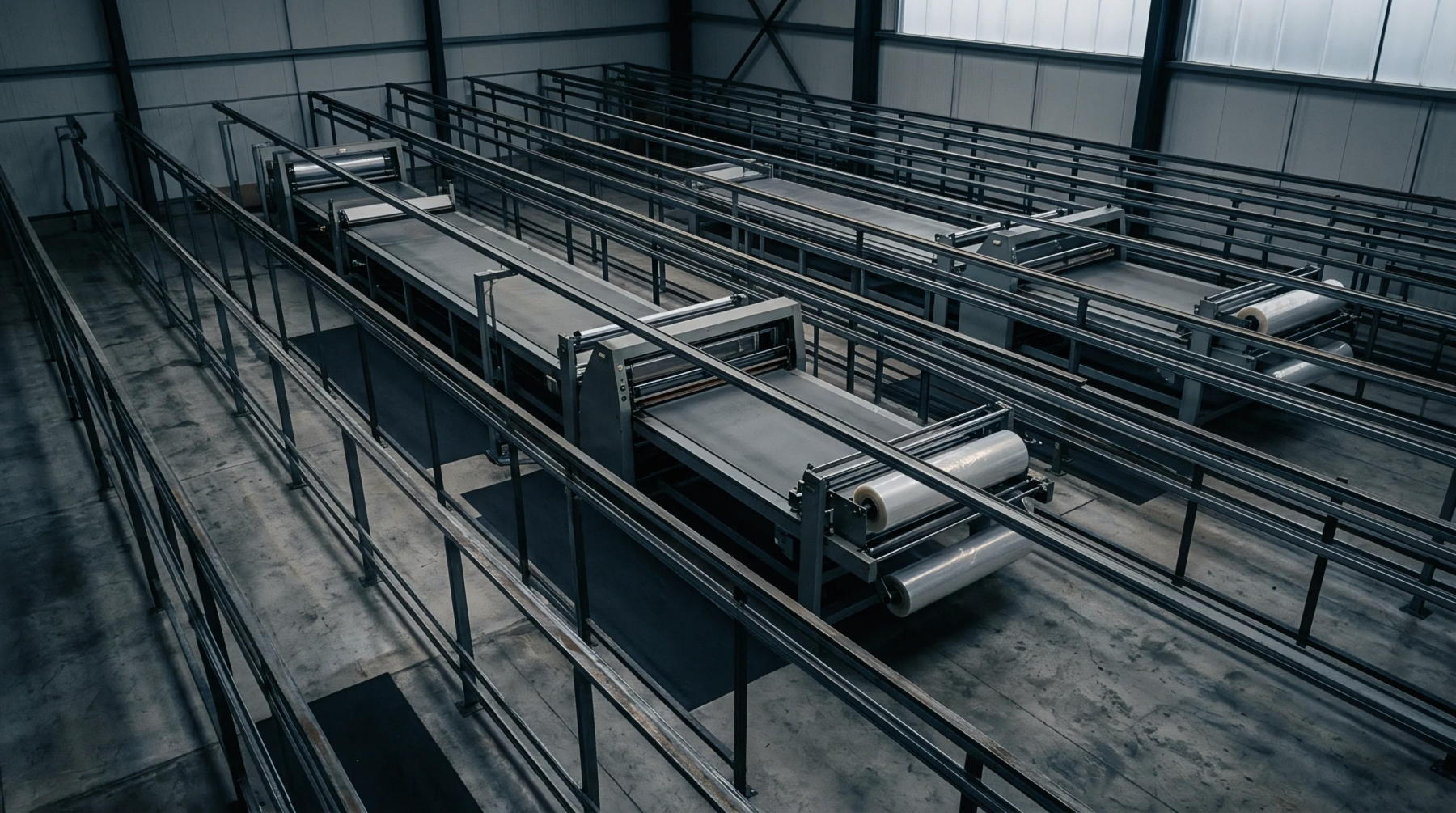
Calculate working capital for long deliverables by mapping monthly cumulative cash troughs rather than accounting margins, isolating unbilled contract assets.

Coupling trade casualty wrappers to inventory repos isolates extended storage decay and secures off-balance-sheet liquidity through true sale perfection.

Prolonged warehouse dwell times trigger progressive borrowing base haircuts, converting asset-based credit availability into unexpected cash deficits.

Match facility maturity to physical turnover, enforce asset appraisals, and carve holding costs directly into supplier advance margins.
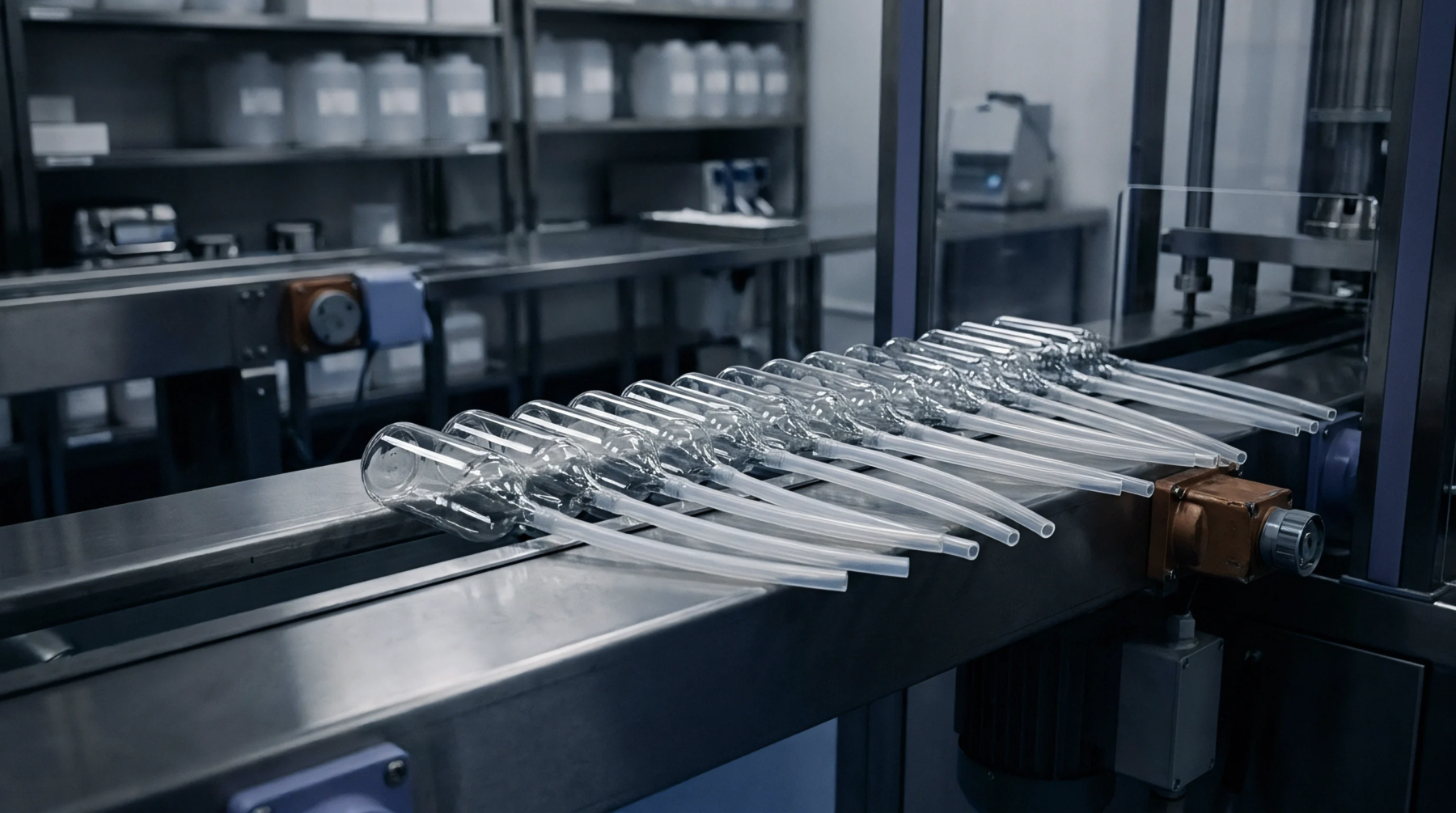
Structure asset backed credit facilities against recycled polymer defect rates by linking advance rates directly to empirical melt flow index conformance tiers.

Post-consumer resin variance inflates safety stock days and cycle times, draining cash reserves through unbudgeted scrap and asset-based lending haircuts.

Capitalized purchase price variances inflate ledger inventory above standard cost, triggering field exam collateral write-offs and borrowing base shortfalls.

Recycled polymer extrusion lines maintain stability only when dynamic shear viscosity remains within eight percent of virgin baselines at line speeds above 300 m/min.

Prorating purchase price variance allocates material cost variances across inventory and cost of goods sold to prevent margin distortion and balance sheet misstatement.

Fixing standard purchase costs in multi-currency manufacturing isolates plant efficiency from foreign exchange drift to safeguard inventory borrowing bases.

Offshore cash ring fencing insulates export receivables from sovereign foreign exchange rationing by directing buyer payments into creditor-controlled accounts.

Foreign exchange rationing converts unhedged letter of credit commitments into borrowing base cash traps by sterilizing liquidity behind central bank delays.

Compressing cross-border gross derivative and trade obligations into net positions eliminates eighty percent of hard currency margin demand during sovereign foreign exchange freezes.

Lock in a tri-party loss payee endorsement subordinating insurer salvage rights until ABL obligations achieve complete discharge to secure advance rates.

Non-vitiation endorsements insulate asset-based lenders from borrower warranty breaches, enabling expanded advance rates and higher debtor concentration limits.

Structure trade credit assignments with non-vitiation endorsements, strict credit limit tracking, and cash dominion to monetize foreign or concentrated debtors.

Harmonizing landed cost capitalization requires explicit credit agreement definitions that segregate abnormal transit costs from borrowing base inventory.

Structure in-transit inventory eligibility by segregating raw container spot volatility from net orderly liquidation values through dynamic landed-cost haircuts.

Landed costs must be strictly segregated between capitalizable direct transit charges and period expenses to protect inventory valuations and credit lines.

Contractual cross trading contras destroy borrowing base availability through unmonitored legal set-off rights that instantly extinguish pledged receivables.

Dynamic borrowing base formulas adjust reserve percentages monthly by combining rolling peak-dilution ratios with credit note issuance lag metrics.

Inline automated moisture controls preserve inventory eligibility and protect borrowing base capacity by eliminating bulk material weight haircuts during lender audits.

Inline dielectric hopper sensor calibration maps raw radio-frequency capacitance to Karl Fischer titration baselines using temperature-compensated regression.

Coulometric Karl Fischer titration per ISO 15512 Method B2 verifies moisture below 0.08 percent, preventing hydrolytic degradation and catastrophic scrap costs.
Expertise is a utility, not a secret. sentiention™ publishes its working knowledge as open reference: intelligence layer covering the materials it sources, the markets it enters, and the reference that serves both.