Integrating Trade Insurance Wrappers and Inventory Repo Agreements to Mitigate Extended Storage Risk
Coupling trade casualty wrappers to inventory repos isolates extended storage decay and secures off-balance-sheet liquidity through true sale perfection.


Conveyance
Transferring title under an inventory repurchase transaction converts stagnant physical stock into immediate liquidity while shifting holding duration risks away from the operating balance sheet. The financing institution purchases raw materials, intermediate commodities, or finished stock under a master agreement coupled to a predetermined forward resale back to the sponsor. Settlement depends on absolute perfection of title in the target jurisdiction rather than an unperfected floating charge.
Title transfers on delivery.

Legal True Sale Architecture
Execution of a bona fide repurchase contract demands complete isolation of the underlying assets from the insolvency estate of the original owner. English law and New York law treat genuine purchase and repurchase arrangements as bilateral transfers when documentation enforces unconditional delivery, transfer of market risk, and absolute possessory rights. Recharacterization by bankruptcy courts remains the primary threat to this structure: if an insolvency judge determines the transaction functions as a secured loan rather than an outright transfer, the automatic stay freezes the inventory.
Pledged assets sit trapped in administration proceedings for quarters while storage charges erode margin. Documenting a true transfer requires an unambiguous intention to pass property outright, accompanied by explicit derecognition covenants and delivery of negotiable title documents.
Where the seller retains an unfettered right to substitute batches without lender consent, courts routinely dismantle the sale characterization. Structural integrity requires strict asset identification, segregated lot allocation, and fixed repurchase settlement schedules. The repo buyer assumes direct ownership risks, mitigated through credit and casualty structures.
Buyers retain repurchasing obligations.
Warehouse keepers attorn directly to the repurchase funder before any liquidity releases to the operating entity.

Warehouse Receipts and Documented Transfer
Establishing perfection over physical goods in storage centers on the precise delivery of negotiable instruments. Electronic warrants, negotiable warehouse receipts, and endorsed bills of lading serve as physical evidence of legal possession. When bulk commodities or containerized goods sit inside third-party storage facilities, the warehouse keeper issues an attornment notice confirming the financier holds exclusive dominion over the specified lot.
Without formal attornment, local property laws frequently presume the original depositor maintains possessory control, permitting competing judgment creditors to attach liens to the goods. Negotiable warrants eliminate ambiguity by lodging commercial authority directly with the instrument holder.
The standard repurchase confirmation specifies that physical delivery of non-negotiable warehouse certificates fails to pass constructive possession until the bailee issues an irrevocable acknowledgement of third-party ownership to the repo buyer.


Peril
Physical deterioration during protracted warehousing undermines the asset valuation that underpins repo liquidity facilities. Prolonged dwell times generate risks that standard property policies routinely exclude, such as ambient moisture exposure, oxidation, biological spoilage, spontaneous heating, and gradual evaporation. Standard Institute Cargo Clauses A or standard inland marine property policies cover sudden and accidental casualties while explicitly barring claims arising from inherent vice, delay, and market loss.
Spoilage destroys liquidation values.

Prolonged Holding Exposure
Carrying commodities across multi-month holding periods exposes physical inventory to microclimate variations inside tank farms, dry warehouses, and port terminals. Grain bulk experiences moisture migration and insect infestation. Cold-rolled steel coils suffer white rust under failing desiccants.
Refined liquid fuels undergo chemical breakdown, gum formation, and phase separation. When physical inspection reveals quality loss, the market value of the collateral collapses beneath the repurchase strike price, driving the repo buyer into immediate default procedures. Typical operational vulnerabilities during prolonged staging include:
- Inherent vice exclusions void casualty claims when goods degrade through biological decay or natural chemical oxidation over extended durations.
- Temperature variation damages alter chemical viscosity in specialty lubricants and destroy shelf stability in temperature-controlled pharmaceutical intermediates.
- Contamination events cross-infect bulk grains through dirty conveyor transfers or adjacent solvent vapor leakage inside multi-tenant storage terminals.
- Ullage and evaporation losses deplete measurable bulk liquid volumes past standard contract tolerance allowances over prolonged summer storage tenors.
Standard marine cargo and commercial property forms deny coverage for deterioration caused by the passage of time. Underwriters view extended storage as an unapproved change of risk unless endorsed prior to policy renewal. Storage fees accrue monthly.
Institute Cargo Clauses terminate coverage sixty days after discharge over-side from the vessel at the final port of discharge.

Trade Insurance Policy Augmentation
Securing an enterprise against extended holding risks demands specialized comprehensive trade insurance wrappers. These tailored endorsements bridge the structural gap left by standard casualty policies by adding extended storage endorsements, non-delivery coverage, expropriation clauses, and coverage for loss caused by bailee insolvency. The policy must run concurrently with the repurchase agreement tenor, naming the repo buyer as sole loss payee.
If the original supplier defaults and the physical stock degrades past merchantable tolerance grades, the insurer indemnifies the repo financier for the agreed valuation shortfall. Premiums compound over time.
Underwriting guidelines demand continuous third-party surveillance, periodic sampling protocols, and strict environmental logging within the storage perimeter. Abandoning these covenants voids coverage, leaving the financing counterparty unsecured during catastrophic inventory impairment.


Silo
Terminal keepers and tank operators control the physical perimeter where pledged inventory rests, acting as the primary line of operational defense. Retaining an independent collateral management firm isolates the inventory from the commercial sponsor, preventing unauthorized diversion, unauthorized processing, or fraudulent double-pledging. Collateral management agreements establish exclusive custody rights for the collateral manager within a demarcated sector of the facility.
Physical inspections settle disputes.
Collateral Management Agreements
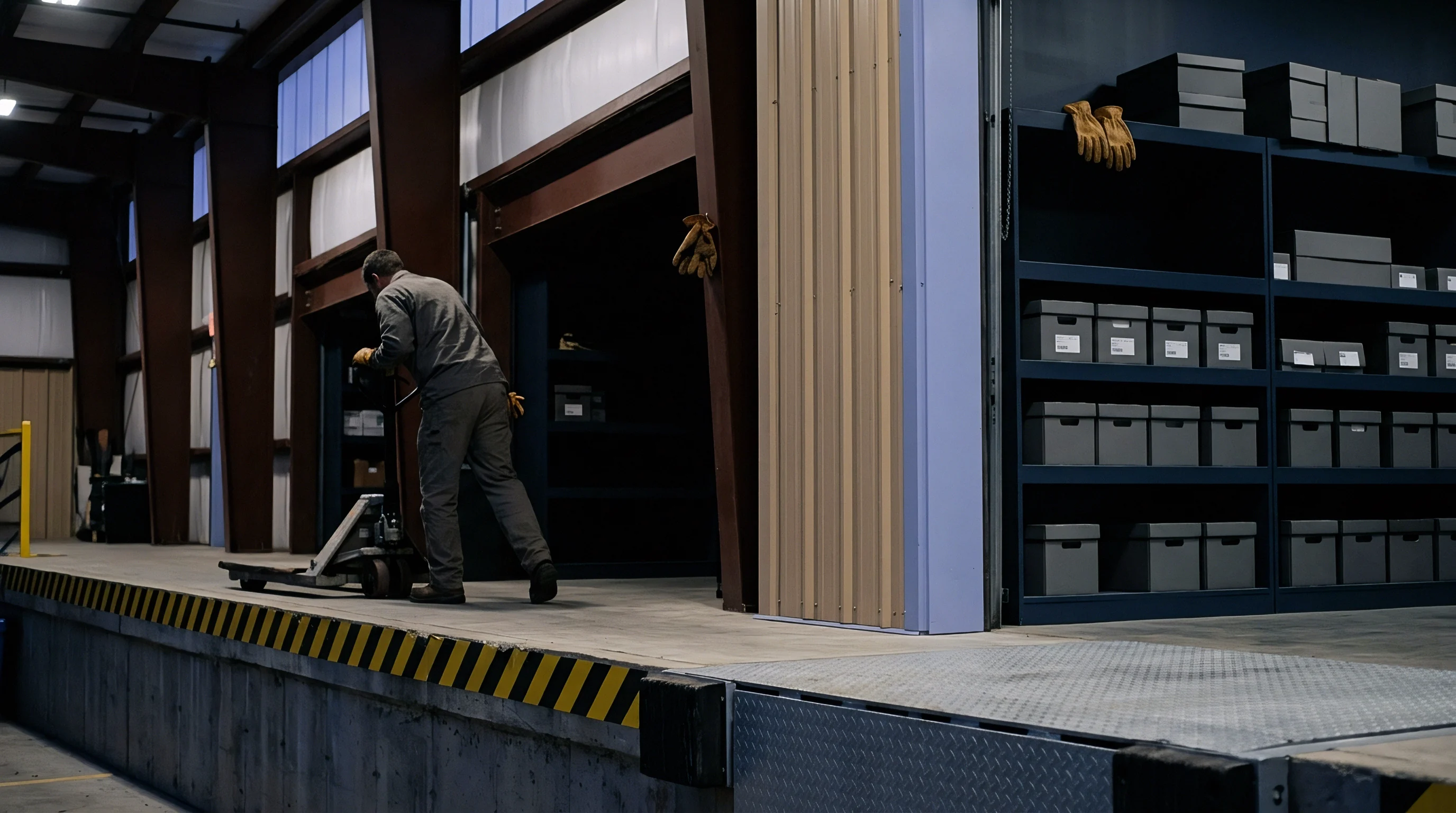
Under a strict tripartite arrangement between the storage operator, the collateral manager, and the repo financier, the collateral manager assumes physical possession of the stock. Dedicated security personnel, padlocks, and telemetry logging systems bar the borrower from accessing the warehouse floor without written delivery orders issued by the repo funder. In bulk liquid storage, blind flanges and locked manifold valves physically isolate financed fuel parcels from adjacent commercial streams.
Commodity grade dictates recovery.
| Regime Type | Custodial Oversight | Physical Access Rules | Monitoring Cost (% Collateral) | Legal Defensibility |
|---|---|---|---|---|
| Field Warehousing | Leased perimeter by third-party manager | Dual key release authorized by repo buyer | 0.75 to 1.20 | Moderate |
| Collateral Management | Dedicated independent monitoring firm | Exclusive manager possession with perimeter security | 1.50 to 2.80 | High |
| Direct Terminal Bailment | Commercial public terminal operator | Terminal attornment to financier order only | 0.40 to 0.85 | High |
| Borrower Controlled | Internal operating staff oversight | Unrestricted operational borrower access | 0.10 to 0.25 | Unenforceable |
Field warehousing requires explicit lease registration to confirm the tenant possesses exclusive rights over the leased footprint. Without physical partitioning and clear exterior signage, local courts routinely rule that the debtor maintained apparent ownership, enabling unsecured trade creditors to seize the inventory during receivership. Lenders liquidate pledged barrels.

Physical Verification Benchmarks
Verifying volumetric quantities and baseline quality standards requires scheduled audits conducted by independent inspection agencies. Liquid bulk inventories require automated radar gauge validation verified by manual dip tape measurements, temperature corrections, and bottom-sediment water tests. Dry bulk storage requires aerial drone photogrammetry or laser volumetric scanning paired with core-sample chemical assays.
Moisture, ash content, tensile strength, and volatile matter must match warehouse warrant specifications. A divergence exceeding contractual tolerances triggers an immediate margin event. The terminal manager routinely claims that ambient humidity caused the mass discrepancy.


Haircut
Valuing inventory for repurchase agreements balances liquidation recovery assumptions against market price volatility and liquidation friction. Repo advance rates rarely equal full market value; financiers apply a discount ranging between fifteen and thirty-five percent depending on secondary market depth, shelf life, and geographic transferability. This margin protects the lender against commodity spot price slides during extended holding windows.
Margin calls arrive daily.

Advance Rates and Cash Variation
The financing institution marks inventory to market on a weekly or daily schedule using published spot benchmarks or verified dealer quotes. When the marked valuation declines past a contractual maintenance threshold, the borrower must satisfy a variation margin call in cash or pledge additional qualified collateral within two business days. Failure to meet the call constitutes an immediate event of default, triggering the repurchase facility’s liquidation mechanisms.
Bilateral netting limits exposure.
| Commodity Classification | Baseline Advance Rate | Cash Margin Trigger | Max Holding Tenor | Wrapper Premium (bps) |
|---|---|---|---|---|
| LME Non-Ferrous Metals | 85% of market spot | 5% adverse move | 360 days | 45 to 70 |
| API Grade Crude Oils | 80% of index benchmark | 7.5% adverse move | 180 days | 80 to 120 |
| CBOT Agricultural Grains | 70% of prompt contract | 10% adverse move | 120 days | 110 to 160 |
| Finished Steel Products | 65% of regional mill price | 10% adverse move | 90 days | 140 to 210 |
Assume a sponsor transfers a copper cathode lot valued at 10,000,000 dollars under an eighty-five percent advance rate, securing 8,500,000 dollars in upfront liquidity. If London Metal Exchange cash settlement prices drop eight percent over sixty days, the collateral value falls to 9,200,000 dollars. At the eighty-five percent benchmark, the maximum supportable advance drops to 7,820,000 dollars.
The repo buyer demands an immediate cash payment of 680,000 dollars to restore required covenant ratios. Cash covers the spread.
Extended storage facilities convert market volatility into direct cash obligations on the sponsor through daily mark-to-market variation clauses.

Carrying Cost Accumulation
Extended holding cycles burden the collateral with accrued handling expenses, inspection charges, and terminal lease fees that take statutory priority over the financier’s interest under local bailee lien statutes. If storage invoices go unpaid, the terminal keeper exercises a maritime or warehouseman lien, asserting legal priority to sell the goods. Financiers account for this leakage by deducting estimated carrying costs from total eligible collateral values or establishing an escrows reserve funded upfront by the sponsor.
Quality degrades faster than carrying costs abate.


Subrogation
Integrating trade insurance with inventory repo lines requires aligning the insurer’s subrogation rights with the repo buyer’s ownership status. Subrogation grants the insurer the right to pursue negligent third parties after paying a claim. In a repurchase structure, if the insurer pays the repo buyer for damaged or missing inventory, it acquires the right to sue the party responsible for the loss, which often includes the original commercial seller or the warehouse keeper.
Uncoordinated subrogation clauses lead to circular litigation that threatens the entire financing architecture. Underwriters cap indemnity payouts.

Loss Payee and Non Vitiation Mechanics
The repo buyer requires designation as sole loss payee under an endorsement containing explicit non-vitiation and breach-of-condition protections. Under a standard policy, fraudulent reporting or material non-disclosure by the operating company voids coverage for all parties. A non-vitiation clause establishes independent contractual rights, ensuring that misconduct or documentation errors committed by the original seller cannot invalidate the repo buyer’s insurance claim.
The policy must contain an express waiver of subrogation against the repo buyer and its assignees to protect recovery proceeds from legal clawbacks.
A comprehensive wrapper documentation package incorporates specific inter-creditor provisions to lock down priority lines:
- Assignment of policy proceeds directs the underwriter to pay indemnification funds straight into the financier’s collateral account without passing through the operating debtor.
- Notice of cancellation undertakings obligate the insurance carrier to provide thirty days advance written warning before modifying, lapsing, or terminating coverage lines.
- Waiver of defense endorsements prohibit the carrier from contesting claims based on late notices or administrative failures caused by the primary policyholder.
Underwriters frequently resist complete subrogation waivers against the primary commercial sponsor, arguing that negligent warehousing practices should expose the operating company to recourse. Structuring a limited waiver that preserves claims only for willful misconduct protects the lender’s security position while accommodating the underwriter’s legal constraints. Insolvency stays repo execution.

Claims Settlement Timelines
Trade credit and physical casualty claims adjust slowly, frequently taking six to eighteen months to investigate, calculate, and disburse indemnification payments. A repo contract requires liquidity resolution at the end of a ninety or one-hundred-and-eighty day cycle. If the commercial counterparty defaults and the physical stock suffers damage, a twelve-month claims adjustment leaves the repo buyer holding non-performing debt without cash recovery.
Structural alignment demands interim funding provisions or loss adjustment acceleration clauses within the insurance wrapper, guaranteeing prompt provisional disbursements against verified surveyor inspection certificates. How repo buyers effectively fund the multi-month liquidity gap between collateral impairment and eventual insurance claims distribution remains a structural friction point across cross-border commodity markets.


Arbitrage
Repurchase transactions backed by insurance wrappers create a balance sheet alternative to traditional revolving credit lines and secured bank facilities. By packaging asset ownership with credit enhancement, commodity merchants achieve balance sheet derecognition under defined international accounting frameworks, freeing up working capital limits without tripping corporate leverage covenants. Net cash flow turns negative.

Working Capital Ledger Adjustments
Accounting treatment governs whether an inventory repo functions as true off-balance-sheet financing or as a standard secured borrowing. Under IFRS 9 and ASC 860, transfers of financial and non-financial assets qualify for derecognition only when substantially all risks and rewards of ownership pass to the purchasing entity. Because a standard repo contains a mandatory forward repurchase clause at a fixed price plus interest, the original seller retains inventory price risk, requiring the inventory and the corresponding liability to remain on the seller’s balance sheet under standard presentation rules.
True off-balance-sheet treatment requires a synthetic structure where the forward repurchase is structured as an option rather than an absolute commitment, or where the repurchase strike price floats strictly with prevailing fair market rates. In this floating-strike architecture, the insurance wrapper eliminates performance and casualty exposure for the lender, while the sponsor treats the initial transfer as a sale under IFRS 15 or ASC 606, derecognizing the physical inventory from the asset ledger and recording cash proceeds against cost of goods sold. Storage obligations are converted from continuous debt leverage into transactional operating costs.
Derecognition under ASC 860 requires the transferor to surrender legal control over the transferred assets without retaining unilateral repurchase rights at fixed prices.

Structural Comparison of Holding Facilities
Choosing between uncommitted credit lines, asset-based lending, and insured repo facilities shapes liquidity availability and overall capital costs. Asset-based facilities impose restrictive borrowing base formulas and maintain security interests that complicate secondary supplier financing. Insured repo agreements offer higher advance rates and lower interest margins by trading legal ownership to the funder and ring-fencing physical risk through the insurance wrapper.
| Structure Dimension | Asset-Based Loan (ABL) | Unsecured Revolver | Insured Repo Agreement |
|---|---|---|---|
| Typical Advance Rate | 50% to 65% of NOLV | Not applicable | 80% to 90% of spot value |
| Balance Sheet Presentation | On-balance-sheet debt | On-balance-sheet debt | Off-balance-sheet derecognized |
| All-in Cost of Capital | SOFR + 250 to 400 bps | SOFR + 175 to 300 bps | SOFR + 110 to 190 bps |
| Inspection Frequency | Semi-annual or annual | None required | Continuous or bi-weekly |
| Covenant Impact | Expands gross leverage | Expands gross leverage | Neutral to gross leverage |
Deploying an insured inventory repo shifts the physical carrying burden from corporate balance sheets to institutional commodity pools. The operational trade-off centers on documentation discipline, field surveillance costs, and insurance premium commitments. The operating company preserves cash liquidity to fund core processing growth while insulation against extended storage perils passes completely to underwriting and repo syndicates.