Meaning
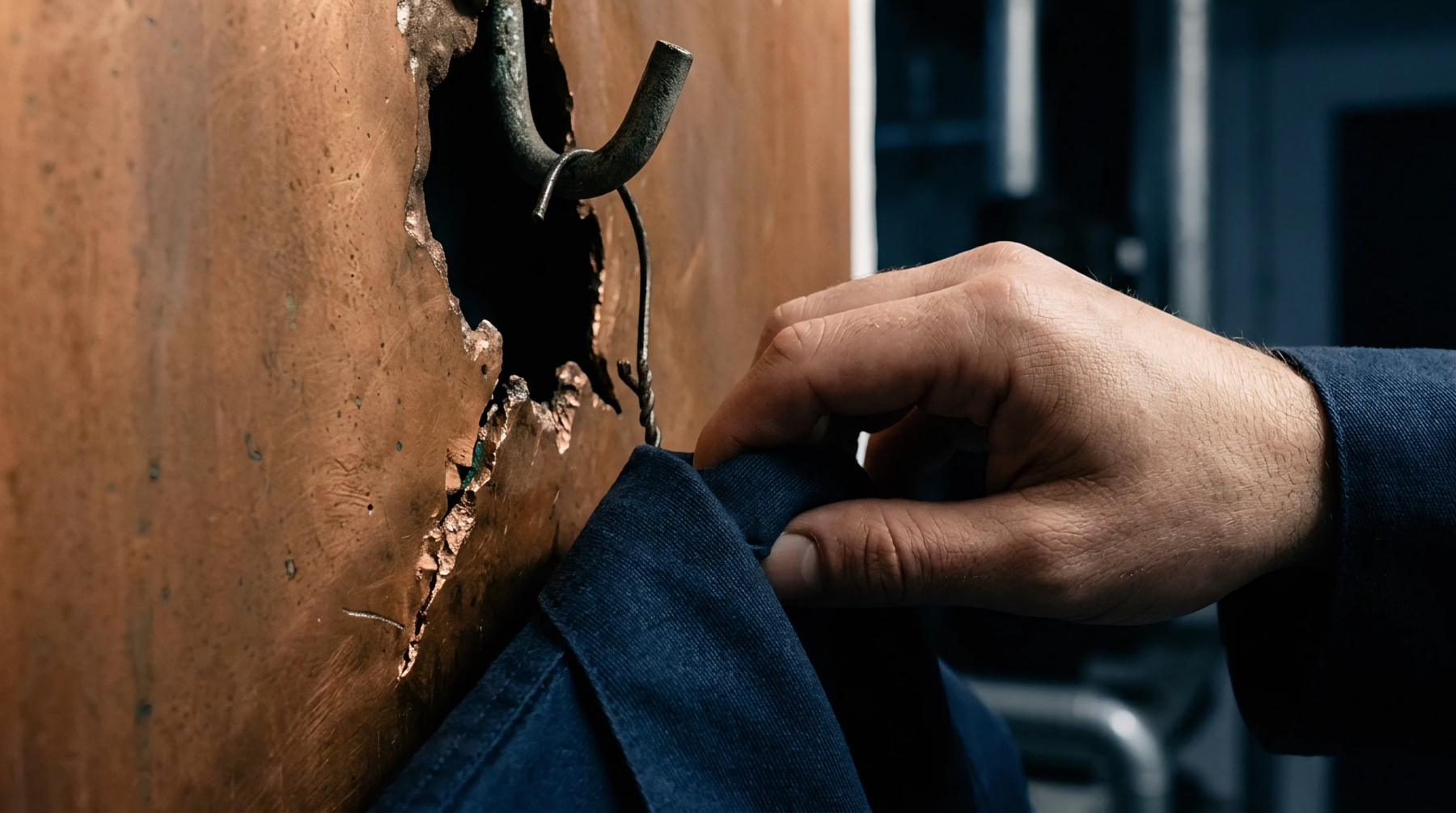
Conditions where the specialized equipment used for manufacturing is no longer functional or maintainable define this state. Tooling obsolescence occurs when molds, dies, jigs and fixtures reach the end of their physical life or when the parts they produce are no longer required.
Wear Analysis
Physical degradation of metal parts over thousands of cycles often leads to this status. When the tooling obsolescence is caused by wear, the quality of the finished goods begins to decline, resulting in higher scrap rates. Regular inspections determine whether a tool can be refurbished or if a total replacement is the only viable path forward.
Technology Migration
Advancements in manufacturing techniques can render older assets ineffective even if they are still physically sound. A case of tooling obsolescence might arise because a new automated system cannot interface with the legacy fixtures used in a manual process. Upgrading to modern equipment often requires a complete redesign of the manufacturing cell to handle the increased throughput.
Replacement Planning
Forecasting when an asset will fail allows the organization to allocate capital for new equipment before the production line stops. If tooling obsolescence is called too late, the resulting downtime can cause significant delays in fulfilling customer orders. A proactive strategy for replacing aged assets ensures that the capability to produce high quality goods remains constant throughout the product lifecycle.