
Viscous Heat Dissipation Modeling in High Velocity Polymer Die Flow
High-velocity die flow modeling demands coupled non-isothermal viscosity functions to prevent thermal degradation and melt fracture from shear heating.
High-velocity die flow modeling demands coupled non-isothermal viscosity functions to prevent thermal degradation and melt fracture from shear heating.
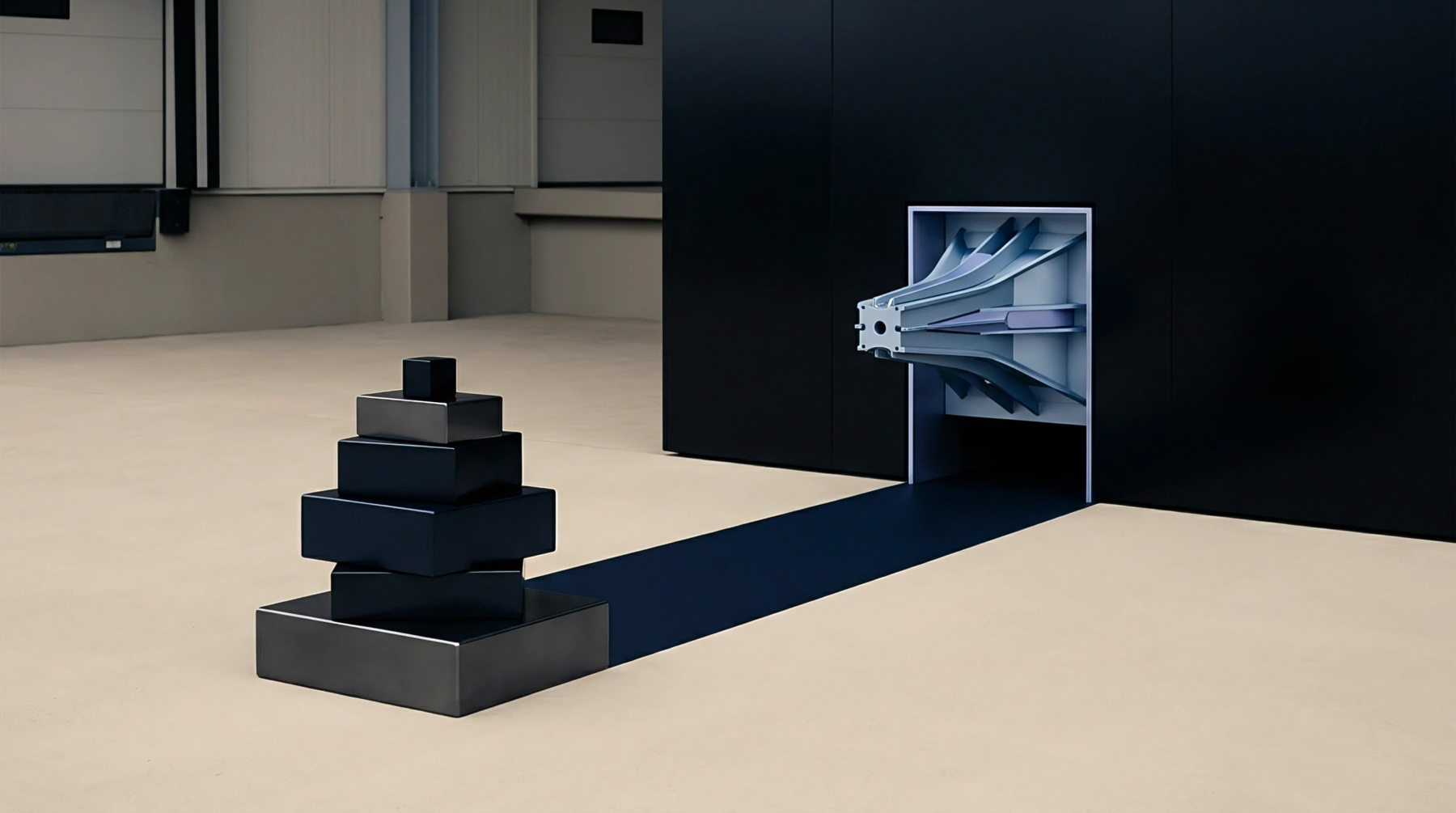
Non-isothermal melt rheology decouples drag and pressure flow through shear heating, requiring thermal mixing to stabilize viscosity and output dimensions.

Non-isothermal viscous dissipation drives core melt temperature spikes that cause extrudate defects if die land geometry is not scaled to shear rates.
Expertise is a utility, not a secret. sentiention™ publishes its working knowledge as open reference: intelligence layer covering the materials it sources, the markets it enters, and the reference that serves both.