
Covenant Headroom Measured before the Ramp Not After
Measure covenant headroom against pre-ramp cash troughs and drawn debt peaks, never against post-expansion EBITDA projections that materialize months later.
Measure covenant headroom against pre-ramp cash troughs and drawn debt peaks, never against post-expansion EBITDA projections that materialize months later.

Managing growing business liquidity requires synchronizing payment terms and stock commitments so landed margin cash inflows stay ahead of debt covenants.

Unfunded revenue growth drains bank accounts because cash outlays for inventory and logistics occur long before extended customer receivables collect.

Revenue doubling creates an immediate cash deficit before invoices clear, demanding structured asset-backed facilities and negotiated vendor terms to survive.
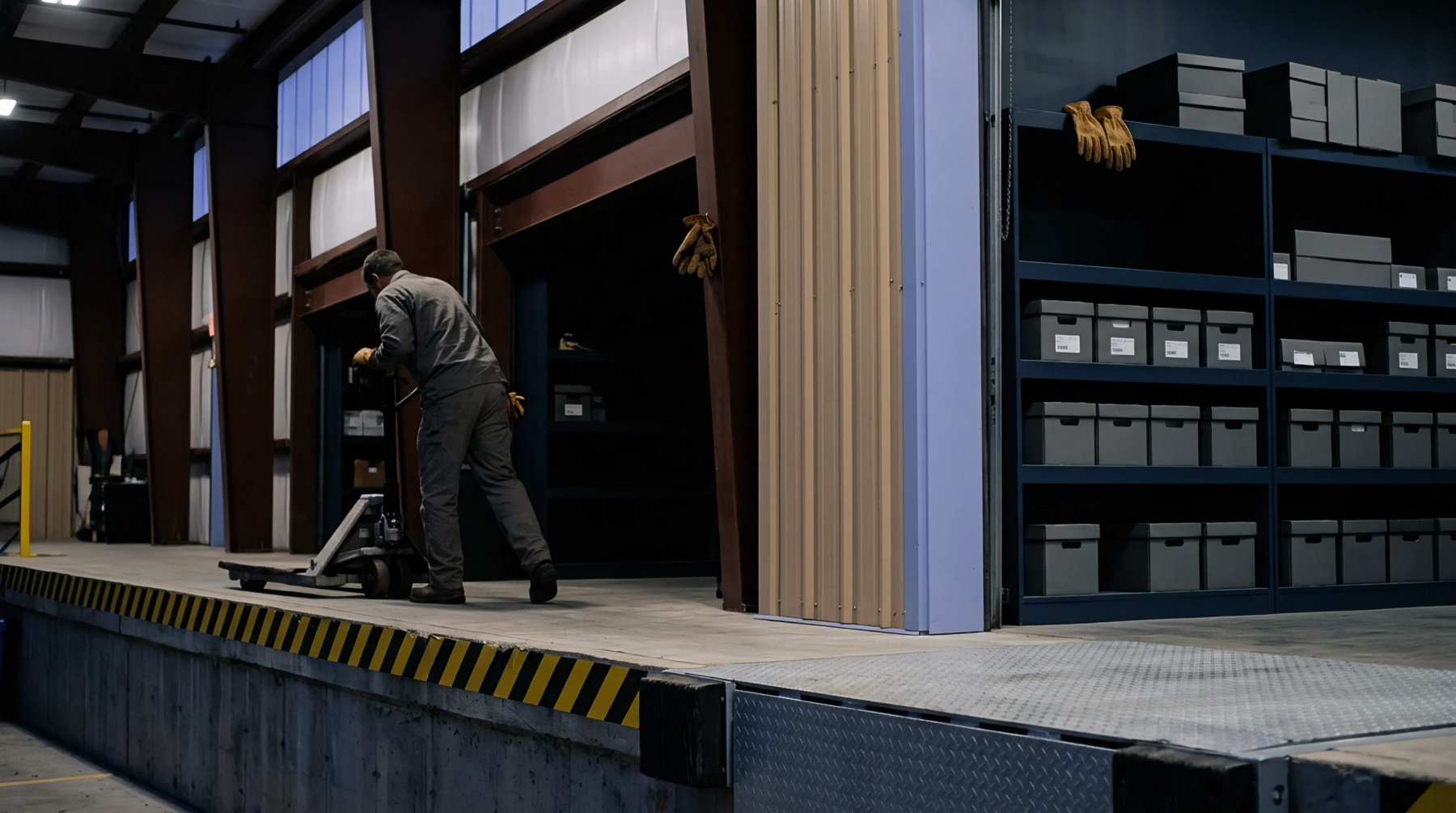
Managing supplier minimum order quantities requires balancing unit price breaks against working capital cash drains and inventory carry costs.

ABL facilities carve out in-transit import batches through strict NOLV haircuts, freight reserves, and title perfection rules that restrict borrowing capacity.

Dynamic borrowing base covenants with strict eligibility carve-outs and concentration caps prevent cash depletion when scaling extends customer settlement cycles.

Managing supplier minimum order quantities requires balancing unit pricing against inventory eligibility reserves that restrict credit lines on slow stock.

Effective inventory collateral control requires enforceable tri-party agreements, perpetual WMS data integration, and strict borrowing base eligibility rules.

Capitalizing landed costs into inventory protects reported gross margins during scale but creates severe cash drains and credit covenant breaches if borrowing base terms exclude in-transit goods.

Standard cost baselines set full landed charges while purchase price variance tracking prevents distorted stock valuations and credit covenant breaches.

Enterprise contract liquidity sizing demands matching peak cumulative cash drain against committed facilities and unencumbered reserves before contract execution.

Revenue expansion consumes cash through inventory builds and stretched receivables; managing deficits requires matching growth rates to funded working capital gaps.

Structuring borrowing base headroom under batch supply constraints demands raw material sub-limits, concentration overrides, and aligned audit reporting.

Enforcing rigorous, evidence-anchored stage gate controls over cross-border capital equipment imports prevents costly site debugging and protects project yields.

Aligning supplier terms with customer collections requires matching payment windows to collection reality, funding inventory gaps with structured trade facilities.

Index-linked resin procurement requires matching purchasing formulas with customer price pass-through terms to protect inventory borrowing bases and cash margins.
Allocate purchase price variances to work in progress using material equivalent units to prevent gross margin distortion and borrowing base write-downs.

Staggering delivery tranches and anchoring payment term clocks to warehouse intake reduces working capital consumption without raising bank debt.

Structuring ABL over advances against ocean in-transit seasonal stock requires strict documentary control, landed-cost reserves, and clear tranche step-downs.

Borrowing base restrictions compress credit availability during inventory expansion, requiring strict alignment between purchase commitments and collateral advance rules.

Resolving inventory priority requires waiving warehousekeeper general liens via tripartite agreements before credit insurers assume subrogated rights.

Enforce mechanical split-sample oven drying under ISO 14284 to eliminate water weight overpayment and protect inventory borrowing base covenants.

Managing import inventory borrowing bases requires capping freight reserves, securing bailee letters, and structuring in-transit sub-limits to preserve cash.

Dynamic inventory carve-outs and appraisal adjustments establish real-time collateral capacity by automatically filtering perpetual stock against net orderly liquidation values.

Structured cross-border trade credit finances inventory growth by locking cash cycles to verified bill-of-lading milestones and borrowing base covenants.

Secured inventory priority depends on continuous perfection via proper state filings, strict PMSI notice compliance, and contractual landlord waivers.

Foreign statutory duty liens create super-priority claims that erode borrowing base availability unless structured through dedicated multi-currency availability reserves.

Contractual title transfer optimization balances inventory financing liquidity against landed cost volatility and cross-border security enforceability.

Structure import credit lines by combining in-transit cargo advance sub-limits, logistics bailee waivers, and dynamic dilution reserves against landed costs.
Expertise is a utility, not a secret. sentiention™ publishes its working knowledge as open reference: intelligence layer covering the materials it sources, the markets it enters, and the reference that serves both.