Meaning
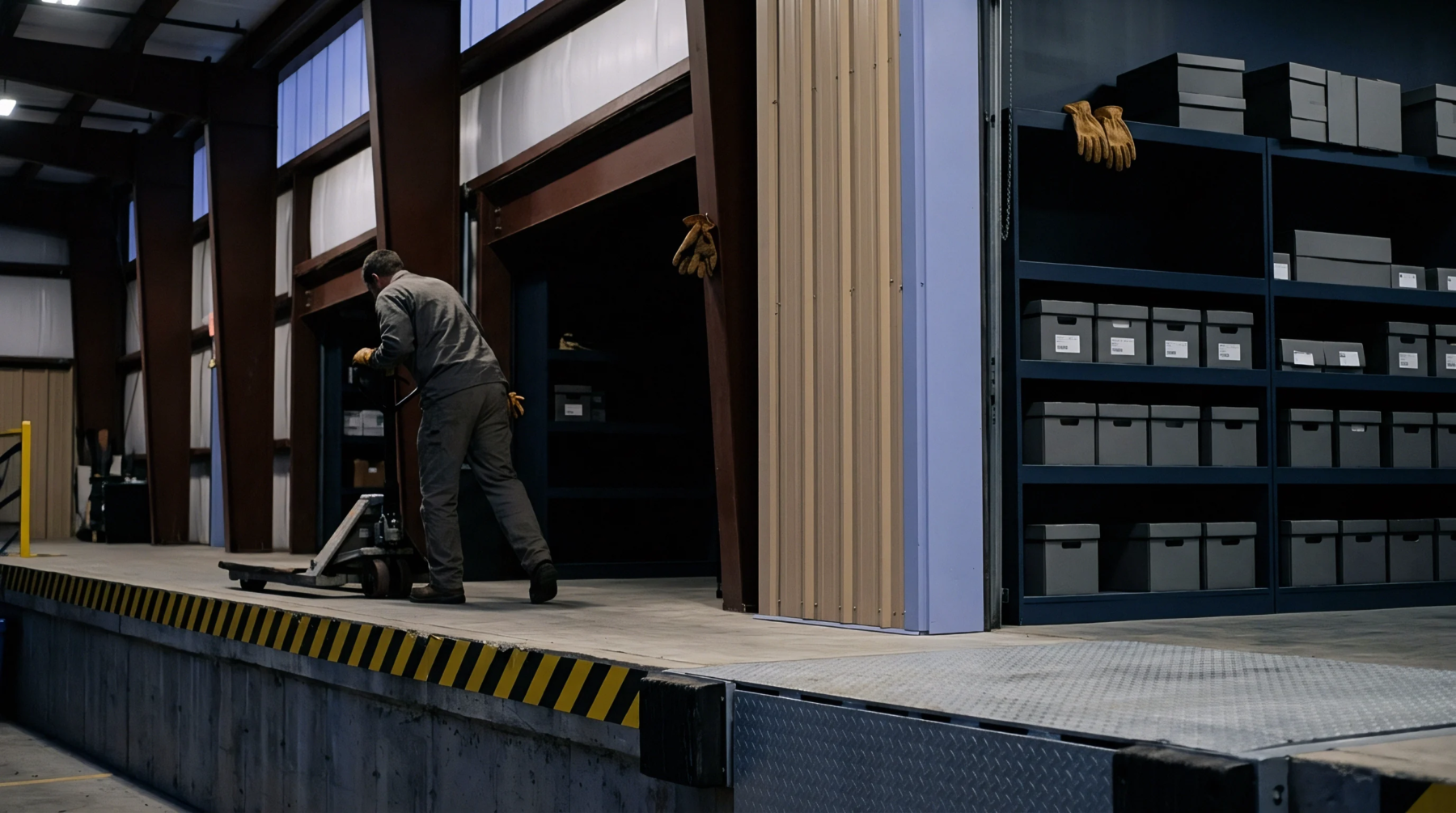
This secondary inventory level functions as a buffer to protect against stockouts caused by inaccurate demand forecasting or unexpected lead time extensions from vendors. Maintained as an emergency reserve, safety stock allows a production facility to continue operating even if the primary delivery schedule for raw materials fails. It defines the floor below which active inventory should not ideally drop, governing the balance between holding too much capital and risking a line stoppage.
The term applies to fixed items kept in specific warehouse bins and stops where active cycle stock begins its movement toward the factory floor. Calculation of this amount relies on statistical analysis of standard supply and demand deviations over a rolling period.
Contingency Planning
Sustaining a high production throughput requires preparing for the inevitable delays seen in global logistics networks and port operations. Inside safety stock calculations, teams must account for the historical variance in the time it takes for a truck to travel from a supplier gate to their own dock. When a local facility operates near full capacity, a single late container of fasteners can freeze thousands of workers and hundreds of expensive machines.
This focus ensures that operational capability remains insulated from external shocks that the company cannot directly control or stop. If lead times grow from two days to four, the reserve allows the shop to finish its existing commitment while procurement agents find a solution. Finding the lowest possible safe volume is a primary goal for lean manufacturing specialists.
Resource Allocation
Finding the right level for these reserves involves a delicate assessment of the daily cost to hold them versus the penalty of a broken promise to a client. Through safety stock metrics, the financial office identifies how much liquidity is frozen in a warehouse to prevent a catastrophe that might only happen once every two years. This available cash could alternatively fund higher initial yields on other product lines or subsidize research into newer machining techniques.
Capability is the speed at which a machine can run, but capacity includes the reliable access to the items needed to keep it moving consistently over weeks. When safety reserves are set too high, the obsolescence reserve typically expands because items sit until they are no longer needed. Maintaining this balance requires constant software updates.
System Resilience
Continuous operation in unpredictable markets depends on having a clear protocol for when to release these specific reserved supplies back into general use. While safety stock provides a secure feeling, it requires rigid cycle counting and inspection to ensure the items in the bottom of the bin have not degraded. Failing to verify these supplies results in a firm reaching into its buffer during a crisis only to find that the backup materials are corroded or out of spec.
Managers evaluate the cost of calling these backups into the production shift and the time required to rebuild the reserve once normal service resumes. Accurate reporting of these movements prevents the planning system from making faulty assumptions about true inventory depth. Reliable firms treat these cushions as their primary defense against systemic gridlock.