Standard Costing Allocation of Extrusion Press Yield Losses under IAS 2 Rules
Capitalizing abnormal extrusion yield losses into inventory violates IAS 2 rules, inflating balance sheet assets while risking sudden covenant write-downs.


Billet
Aluminum log inventory arrives at extrusion facilities as cast cylindrical stock meeting specific metallurgical series criteria such as 6063 or 6061 chemical compositions. Machining logs into press charge lengths initiates the primary manufacturing cycle. Pre-heating logs in gas furnaces softens the metal to plasticized extrusion temperatures between 450 and 500 degrees Celsius.
Hydraulic rams push the thermalized metal through precision steel dies inside the press container. Metal flow dynamics generate inherent physical loss points throughout each press stroke.
Process scrap forms at predictable operational stages during press production. Container diameter dimensions leave a residual metal disk known as butt discard inside the container to prevent oxide inclusions from entering the finished profile. Puller clamps grip leading extrusion ends at the runout table, creating front-end stretch crop waste.
Profile shearing after cooling creates back-end crop waste. Saw kerf metal dust vanishes as unrecoverable physical loss during cut-to-length operations.
Standard metal allowances reflect ideal press operating temperatures and steady thermal equilibrium across production runs.
Engineering standards define target recovery ratios based on tool geometry, press container size, and extrusion profile wall thickness. Complex hollow profiles demand higher billet pressure, generating larger front-end crop allowances than simple solid bars. Metallurgical grain structures vary between log suppliers, altering flow friction against container walls.
Press operators log baseline scrap figures against raw billet charge weights to establish standard conversion rates for each die code.
Container temperatures dictate press velocity while butt discard remains in the container, and thermal expansion variances reflect continuous casting cooling tolerances.


Scrap
Production offcuts and process waste generated during aluminum profile extrusion fall into distinct standard costing classifications under international accounting guidelines. Inherent process discard generated under steady-state operating parameters represents normal yield loss under International Accounting Standard 2. Material destruction arising from mechanical failures, furnace control drift, or operator error represents abnormal waste.
The accounting standard commands divergent treatment for these two yield loss categories.
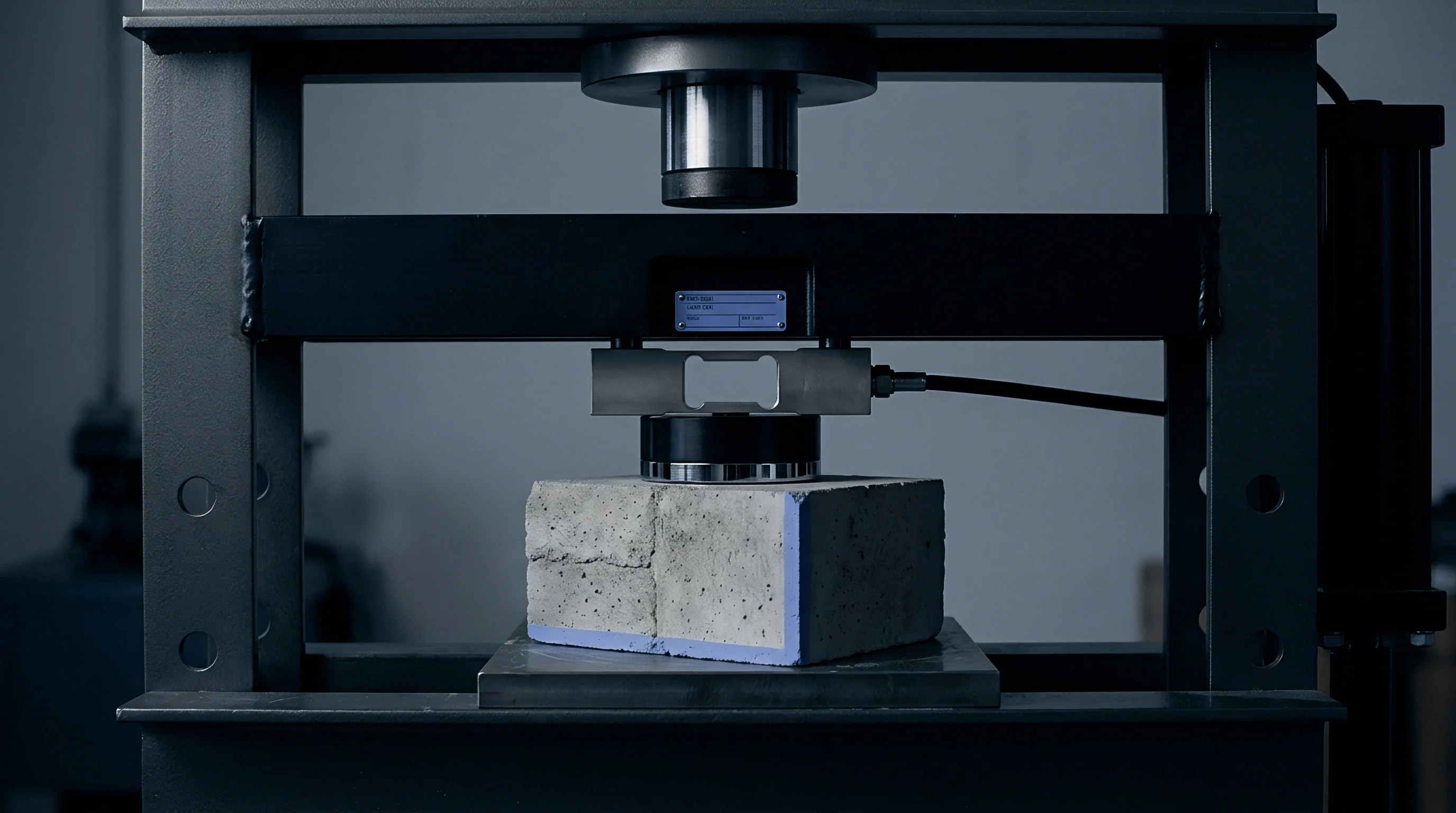
Standard Engineering Discard Baseline
Baseline manufacturing models incorporate expected volumetric metal losses incurred during routine tool charging and profile tensioning. Butt discard, front-end crop scrap, saw kerf loss, and runout sample cuts form the core of normal yield loss. These losses represent unavoidable physical realities of extruding metal through dies under high pressure.
Standard costing models incorporate normal yield loss directly into profile unit product costs under paragraph 10 of International Accounting Standard 2. The cost of raw metal lost during normal butt discard allocation absorbs into the unit cost of accepted prime extrusion profiles.
- Butt discard volume reflects container length limits that isolate oxide contamination away from output die channels.
- Runout crop offcuts result from mechanical puller jaw clamping and initial press speed stabilization.
- Saw kerf dust constitutes unrecoverable aluminum volume vaporized during profile cut-to-length operations.
- Dimensional check samples account for destructive testing cuts taken during quality assurance verification cycles.
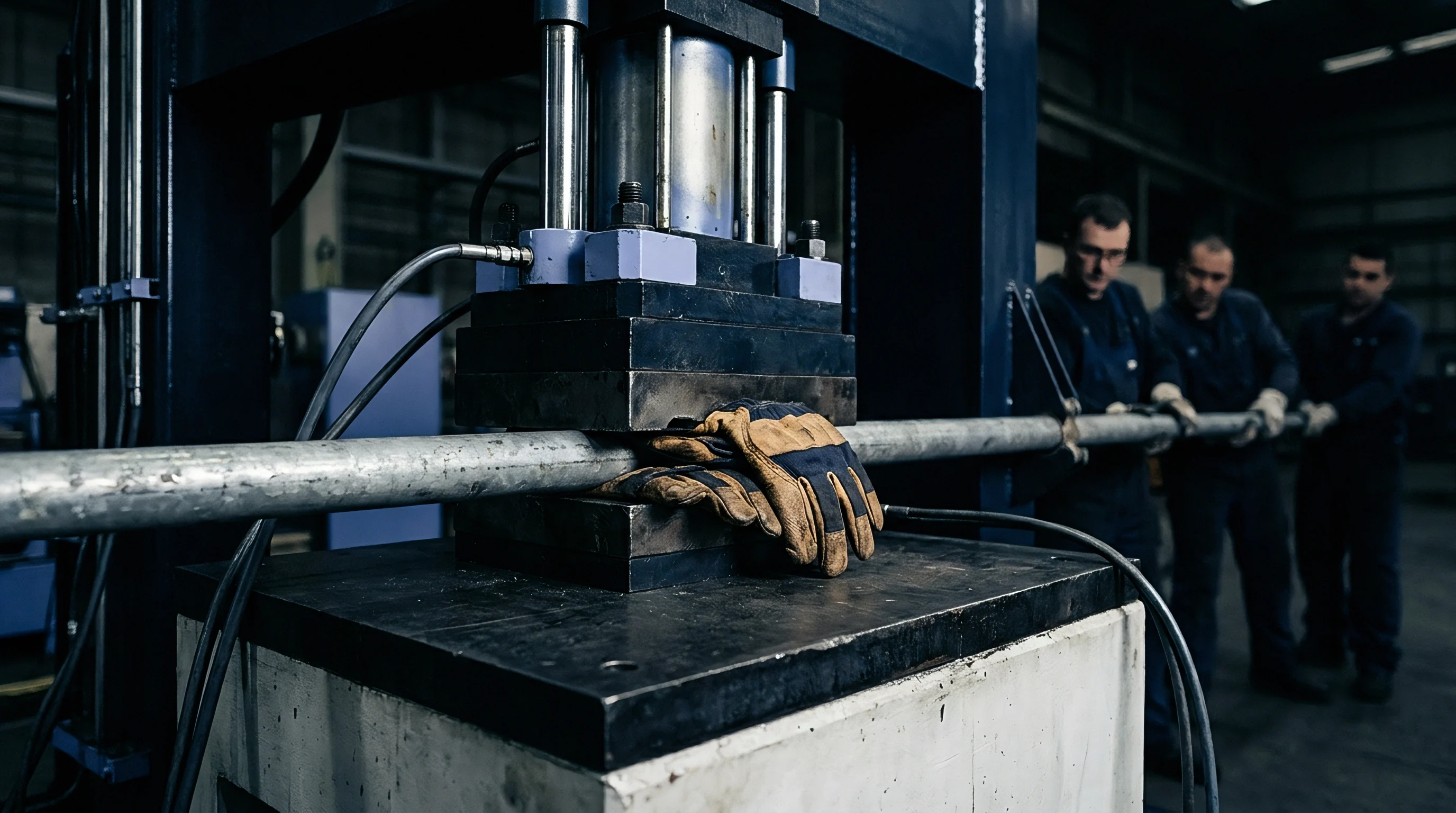
Categorization of Unplanned Metal Losses
Equipment failures, container temperature drops, and die misalignment generate material waste exceeding engineered press allowances. Paragraph 16(a) of International Accounting Standard 2 explicitly forbids capitalizing abnormal amounts of wasted materials, labor, or other production costs into inventory valuation. When a press container jams or a hydraulic seal fails mid-stroke, destroyed billets represent period losses.
Financial accounting rules demand immediate write-off of abnormal scrap directly to profit and loss variance accounts.
| Yield Loss Category | Operational Cause | IAS 2 Classification | Cost Allocation Treatment | Financial Statement Impact |
|---|---|---|---|---|
| Butt Discard | Oxide separation at container shear point | Normal Yield Loss | Capitalized into prime profile unit cost | Balance Sheet Inventory Asset |
| Puller Crop | Runout tensioning and clamp distortion | Normal Yield Loss | Capitalized into prime profile unit cost | Balance Sheet Inventory Asset |
| Press Jam Scrap | Hydraulic pressure loss or billet cold-stop | Abnormal Waste | Expensed immediately to period variance | Profit and Loss Operating Expense |
| Die Drift Defect | Tool thermal distortion beyond tolerance | Abnormal Waste | Expensed immediately to period variance | Profit and Loss Operating Expense |
| Secondary Remelt Metal | Recovered scrap sold or re-smelted | Scrap Recovery Credit | Deducted from raw material conversion cost | Net Inventory Cost Reduction |
Secondary scrap recovery affects inventory carrying figures. Extrusion plants sell clean scrap offcuts to remelt foundries or recycle scrap internally into secondary billet logs. Proceeds from scrap recovery offset total raw material acquisition costs allocated to prime extrusion profiles.
Standard costing systems record scrap recovery at net realizable value based on prevailing London Metal Exchange spot prices minus remelt processing discounts.
A 12 percent butt discard allowance on a 2000 tonne press reduces primary billet raw material cost allocated to output profiles by the net realizable value of remelted scrap.
Capitalizing abnormal material waste into extrusion profile inventory inflates period asset values, triggering immediate audit write-downs during year-end physical inventory checks.


Capacity
Facility utilization levels govern how extrusion plants absorb fixed manufacturing overhead costs into profile stock under International Accounting Standard 2 rules. Paragraph 13 of the standard dictates that fixed production overhead allocation relies on the normal capacity of production facilities. Normal capacity refers to average production expected over multiple periods under planned maintenance conditions.
Operating presses below normal capacity leaves unabsorbed fixed overhead costs that standard rules prohibit from entering inventory asset values.
Does Machine Breakdown Constitute Normal Yield Variance under Standard Costing?
Unexpected mechanical stoppages generate unallocated fixed manufacturing costs that standard accounting rules prohibit from inventory balance capitalization. Unplanned downtime caused by main pump cavitation, ram guide wear, or electrical inverter faults reduces total press machine hours below planned levels. Lower machine output volume cannot drive up the unit product cost of profiles extruded during that period.
Standard costing systems calculate fixed overhead absorption rates based on normal operating capacity machine hours. Machine breakdowns create unabsorbed overhead balances that move directly into period operating expenses.

Operational Overhead Spreads across Press Availability Hours
Plant fixed costs including building lease payments, press depreciation, and supervisor salaries attach to profiles based on expected operational press runtime. Calculating normal capacity requires deducting planned preventative maintenance hours, die setup changeovers, and statutory facility holidays from total annual calendar hours. When market demand falls and press shifts collapse, fixed overhead absorption rates remain tied to normal capacity baselines.
- Preventative maintenance schedules subtract expected press shutdown hours required for container relining and hydraulic fluid filtration from baseline capacity calculations.
- Tool changeover duration fixes standard machine downtime allowances necessary for die swaps and container pre-heating across product runs.
- Shift pattern baselines establish expected operational press run hours across planned production schedules within a fiscal calendar quarter.
- Historical volume averages determine standard output performance over multi-year operational cycles under ordinary demand fluctuations.
Paragraph 13 of International Accounting Standard 2 dictates that low production volume or idle plant capacity never increases the unit cost capitalized into inventory balances.
International Accounting Standard 2 paragraph 13 forces immediate profit and loss recognition of unallocated fixed overheads whenever actual press operating volume falls below normal planned capacity.


Absorption
Standard costing systems track metal conversion efficiency by split-allocating direct materials, direct labor, and press expenses across output profiles and period variance accounts. Evaluating standard cost variance allocation requires walking through a full manufacturing run under stressed operational conditions. Comparing compliant accounting with unadjusted cost absorption reveals how yield variances alter inventory assets and reported period profit.

Standard Cost Variance Walking Model
Quantifying financial movements across a production batch highlights the ledger divergence between full absorption and International Accounting Standard 2 compliance. Consider a 50 metric tonne production run of 6063-T6 aluminum structural profiles executed on a 2,500-tonne hydraulic extrusion press. Raw billet log metal acquisition costs stand at 2.50 Euros per kilogram, establishing a total raw material input commitment of 125,000 Euros.
Direct press conversion costs including furnace gas consumption, press crew labor, electrical energy, and tool wear allowances total 45,000 Euros for the run.
Engineering standards establish a target yield of 80 percent prime profiles, producing 40,000 kilograms of finished extrusion stock and 10,000 kilograms of normal butt and crop end discard scrap. Standard scrap recovery valuation for clean extrusion offcuts stands at 1.70 Euros per kilogram based on secondary remelt market spot pricing. The standard net unit cost for prime extrusions calculates as 125,000 Euros raw metal plus 45,000 Euros conversion costs minus 17,000 Euros normal scrap credit, divided by 40,000 kilograms prime output, yielding 3.825 Euros per kilogram.
Operational disruption strikes the press run mid-batch. A hydraulic seal failure causes container pressure drops, producing thermal instability and billet shearing defects. Actual prime profile output drops to 34,000 kilograms, representing a 68 percent actual metal yield.
Normal scrap remains at 10,000 kilograms. Abnormal scrap generated by damaged billets and twisted profiles totals 6,000 kilograms. Total secondary scrap recovered reaches 16,000 kilograms, realized at 1.70 Euros per kilogram for a total scrap metal value of 27,200 Euros.
| Financial Ledger Line Item | Non-Compliant Full Cost Allocation | Compliant IAS 2 Standard Cost Allocation | Variance Balance Variance | |
|---|---|---|---|---|
| Raw Material Input Cost | €125,000 | €125,000 | €0 | |
| Press Conversion Direct Overhead | €45,000 | €45,000 | €0 | |
| Total Secondary Scrap Credit | (€27,200) | (€17,000) | (€10,200) | |
| Abnormal Material Yield Loss Expense | €0 | €4,800 | (€4,800) | |
| Unabsorbed Conversion Overhead Expense | €0 | €6,750 | (€6,750) | |
| Capitalized Finished Inventory Asset Value | €142,800 | €130,050 | €12,750 | |
| Capitalized Inventory Unit Cost per kg | €4.200 | €3.825 | €0.375 | |
| Scrap credit valuation rests on net realizable value of 1.70 Euros per kilogram; unabsorbed conversion overhead reflects lost volume of 6,000 kg at standard rate of 1.125 Euros per kilogram. | ||||
Under non-compliant full absorption procedures, the plant pools all incurred expenditures and net scrap receipts, dividing 142,800 Euros net cost by 34,000 kilograms actual prime output. This inflates capitalized inventory unit costs up to 4.200 Euros per kilogram, burying abnormal press yield losses directly into balance sheet stock assets. Compliant accounting under International Accounting Standard 2 restricts inventory capitalization to standard cost.
The 34,000 kilograms of prime profiles enter balance sheet inventory at the standard unit cost of 3.825 Euros per kilogram, totaling 130,050 Euros.
Financial ledger segregation isolates abnormal operational damage. Raw material lost in the abnormal 6,000 kilogram defect pool equals 15,000 Euros raw metal cost minus 10,200 Euros scrap recovery credit, generating a net abnormal material yield loss expense of 4,800 Euros. Lost press volume creates 6,000 kilograms of unproduced profiles against standard output targets.
Multiplying unproduced volume by standard conversion overhead rates of 1.125 Euros per kilogram yields an unabsorbed conversion overhead expense of 6,750 Euros. Total period operating expense write-offs reach 11,550 Euros.
- Raw metal input tracking captures total billet weight charged into press pre-heat furnaces prior to extrusion runs.
- Normal scrap offset calculation applies net realizable secondary metal prices to engineered discard allowances.
- Abnormal scrap expense isolation deducts realized scrap values from historical raw metal input costs of destroyed billets.
- Conversion volume shortfall identification multiplies lost prime profile tonnage by fixed press overhead absorption rates.
Unplanned metal scrap from machine breakdown belongs in period operating expenses rather than inventory balance sheets.


Ledger
Financial statements, inventory collateral audits, and bank credit facilities react immediately when extrusion plants adjust yield loss accounting methods. Asset-based lenders review monthly inventory roll-forward schedules to verify that profile asset valuations comply strictly with international accounting guidelines. Improperly capitalizing press yield losses distorts working capital metrics and obscures underlying manufacturing cash drag.
Borrowing Base Eligibility and Scrap Valuation
Commercial lenders monitoring asset-based loans exclude unallocated variance balances and secondary metal offcuts from eligible collateral calculations. Collateral field examiners scrutinize standard cost variance accounts during routine loan audits. When an examiner discovers that an extrusion plant capitalizes abnormal press downtime or die failure waste into profile inventory, the lender reclassifies the capitalized variance as ineligible stock, adjusting the borrowing base and reducing available liquidity.
Scrap inventory stored in recycling bays carries distinct lending risk. Lenders apply aggressive collateral haircuts to secondary aluminum scrap, often excluding loose scrap offcuts from borrowing base formulas entirely. Storing scrap metal at historical billet acquisition costs rather than net realizable market prices triggers immediate borrowing base certificate deductions during borrowing updates.

Working Capital Covenants under Audit Adjustments
Restating capitalized production variances into period expenses directly reduces reported EBITDA and compresses interest coverage ratios. Extrusion plants operating near bank covenant thresholds face immediate default exposure when external auditors enforce paragraph 16(a) of International Accounting Standard 2. Reclassifying abnormal yield loss from balance sheet inventory to profit and loss operating expenses reduces current assets, reported net income, and current ratios simultaneously.
Capitalizing abnormal press yield loss inflates inventory collateral values today at the cost of forced covenant breaches tomorrow.
Audited financial statements that properly expense abnormal extrusion press yield losses preserve bank credit agreements by presenting transparent gross margins.