Meaning
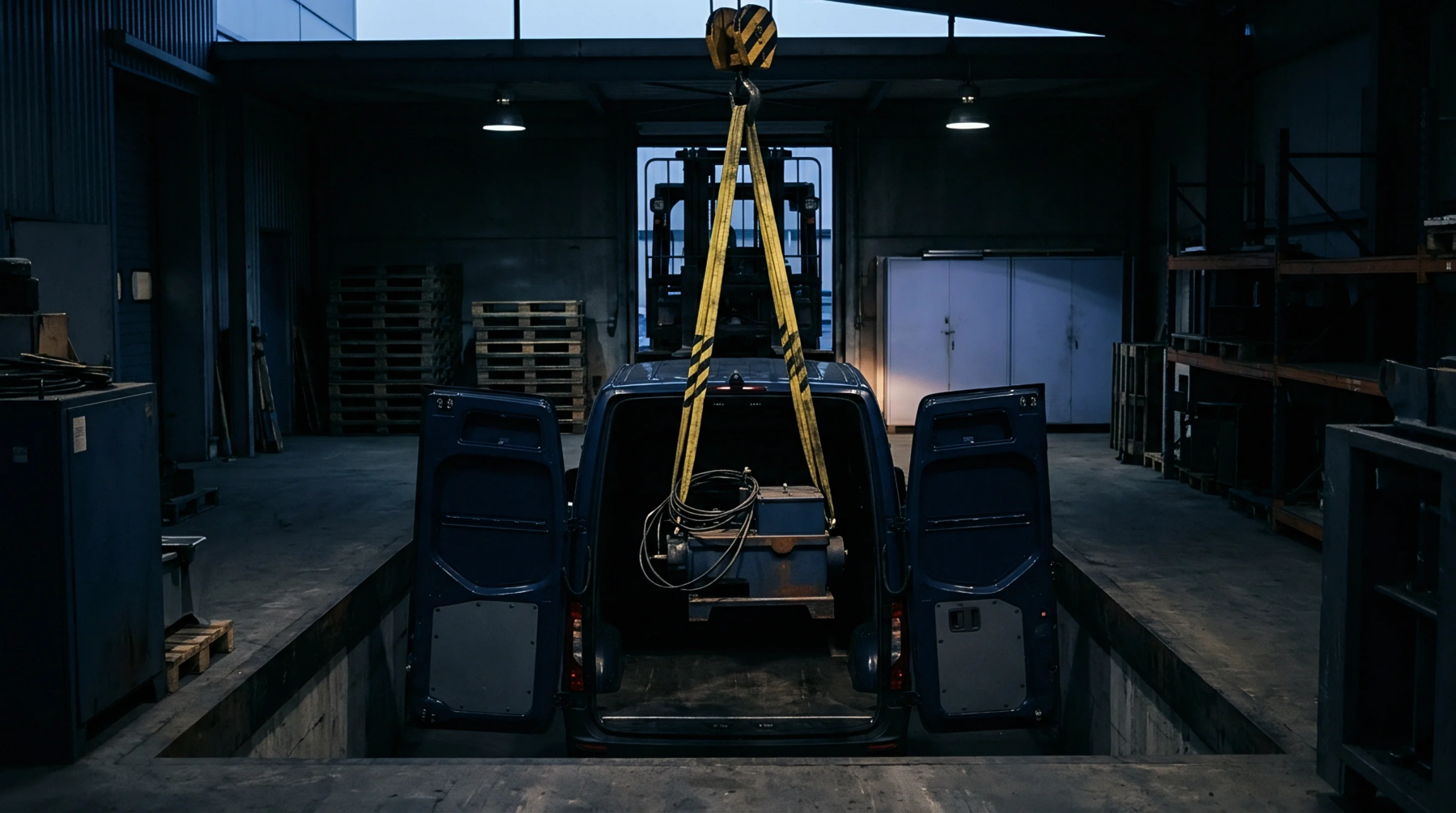
Asset-backed capital structures enable commercial enterprises to acquire machinery and production hardware by using the underlying equipment as primary loan collateral. Industrial expansion initiatives utilize equipment financing to preserve working capital while deploying advanced manufacturing machinery. Lenders secure their investment through liens, equipment leases or chattel mortgages directly attached to specific machine serial numbers.
Credit approval processes assess machine resale value, depreciation profiles and borrower debt service capacity. Purchasing production assets with short-term cash flow instead of dedicated equipment funding strains operational liquidity during ramps.
Capital Structure
Asset finance structures balance term loan debt against machinery operational lifespan to maintain cash flow alignment. Utilizing equipment financing allows companies to amortize capital costs over five to ten year periods matching asset utility. Term structures incorporate fixed or floating interest rates paired with structured repayment schedules tied to production milestones.
Capital budget planners compare lease structures against debt purchases to optimize tax depreciation benefits.
Asset Collateral
Specialized industrial hardware retains residual secondary market value that lowers lender credit exposure. Secured equipment financing arrangements allow lower interest margins because physical machinery provides direct security for debt obligations. Equipment appraisals determine liquidation values under orderly sale conditions to fix maximum loan-to-value ratios.
Default covenants enforce asset maintenance standards and insurance coverage to preserve collateral value over time.
Amortization Schedule
Structured principal and interest repayments align debt service burdens with revenue generated by new production lines. Loan agreements match payment dates with seasonal operational cash flow patterns to reduce default risk.