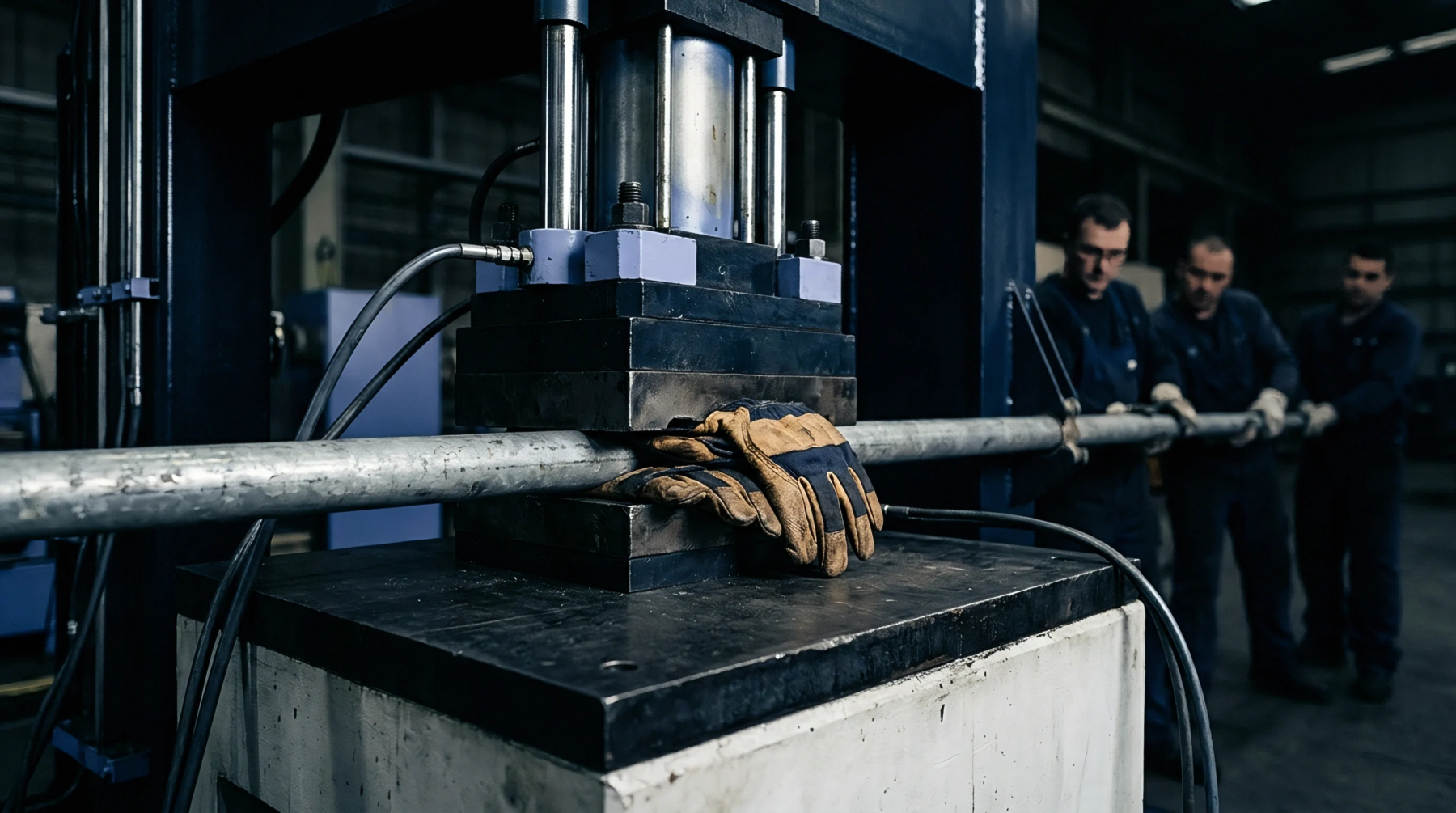
Lease Tooling and Headcount as the Irreversible Three
Capital lock occurs when real estate, custom tooling, and permanent headcount are committed before product volume validates the expenditure.
A structural modification of power distribution assets allows utility transformer upgrade procedures to alter voltage regulation capacities or heat dissipation limits within existing regional electrical networks. These adjustments govern the thermal loading thresholds and peak output parameters for electrical equipment during periods of extreme demand. Boundary conditions for the application involve the mechanical limits of the containment vessel, the integrity of internal insulation systems, and the regulatory standards governing substation noise or environmental oil containment.
Each utility transformer upgrade requires verification of existing busbar connectivity to ensure compatibility with modernized impedance values or secondary coil configurations. Such improvements define the ceiling for local grid stability by ensuring that hardware performance aligns with the actual consumption patterns of modern industrial sites.
High loads demand more from stationary copper windings than original factory specifications intended during initial deployment years ago. Increasing the iron core efficiency minimizes the energy loss through hysteresis and eddy currents during peak operational cycles. This gain in throughput permits operators to maintain standard voltage levels across longer radial feed lines without triggering protective relay trips.
Reliability gains follow because temperature reductions inside the housing extend the life of liquid dielectric fluids and solid cellulose insulation materials. System planners treat this as a tool for managing growth without necessitating the total replacement of heavy civil works or expensive reinforced concrete pads.
Maintenance cycles become more predictable after equipment is overhauled to meet modern power quality metrics. Technicians inspect the tap changer mechanisms and cooling fins to confirm that thermal cycling will not induce premature mechanical fatigue in the metal alloys. Successful field implementation prevents localized grid congestion and removes the bottlenecks that restrict new connection requests in dense urban territories.
Measuring the success of a utility transformer upgrade involves logging the reduction in reactive power losses throughout the feeder circuit under varying load states. A completed modification shows higher efficiency ratings by lowering the internal resistance that previously caused excessive temperature spikes during summer heat waves.
Determining the fiscal justification for the work requires comparing the cost of replacing the entire unit versus the return gained from increasing the lifespan of the current hardware. Asset managers evaluate the age of the bushing interfaces and the conductivity of the tank seals to ensure that retrofitting remains a viable technical path. Capability reaches its limit when the core saturates or the cooling system fails to dissipate heat generated by the required higher current density.
Pilot results indicate that hardware performing near its maximum thermal rating benefits the most from these structural refinements during high intensity usage periods. Properly executed engineering interventions shift the failure probability curve toward the right to increase the duration of safe operation for the grid.
Capital lock occurs when real estate, custom tooling, and permanent headcount are committed before product volume validates the expenditure.
Expertise is a utility, not a secret. sentiention™ publishes its working knowledge as open reference: intelligence layer covering the materials it sources, the markets it enters, and the reference that serves both.