Meaning
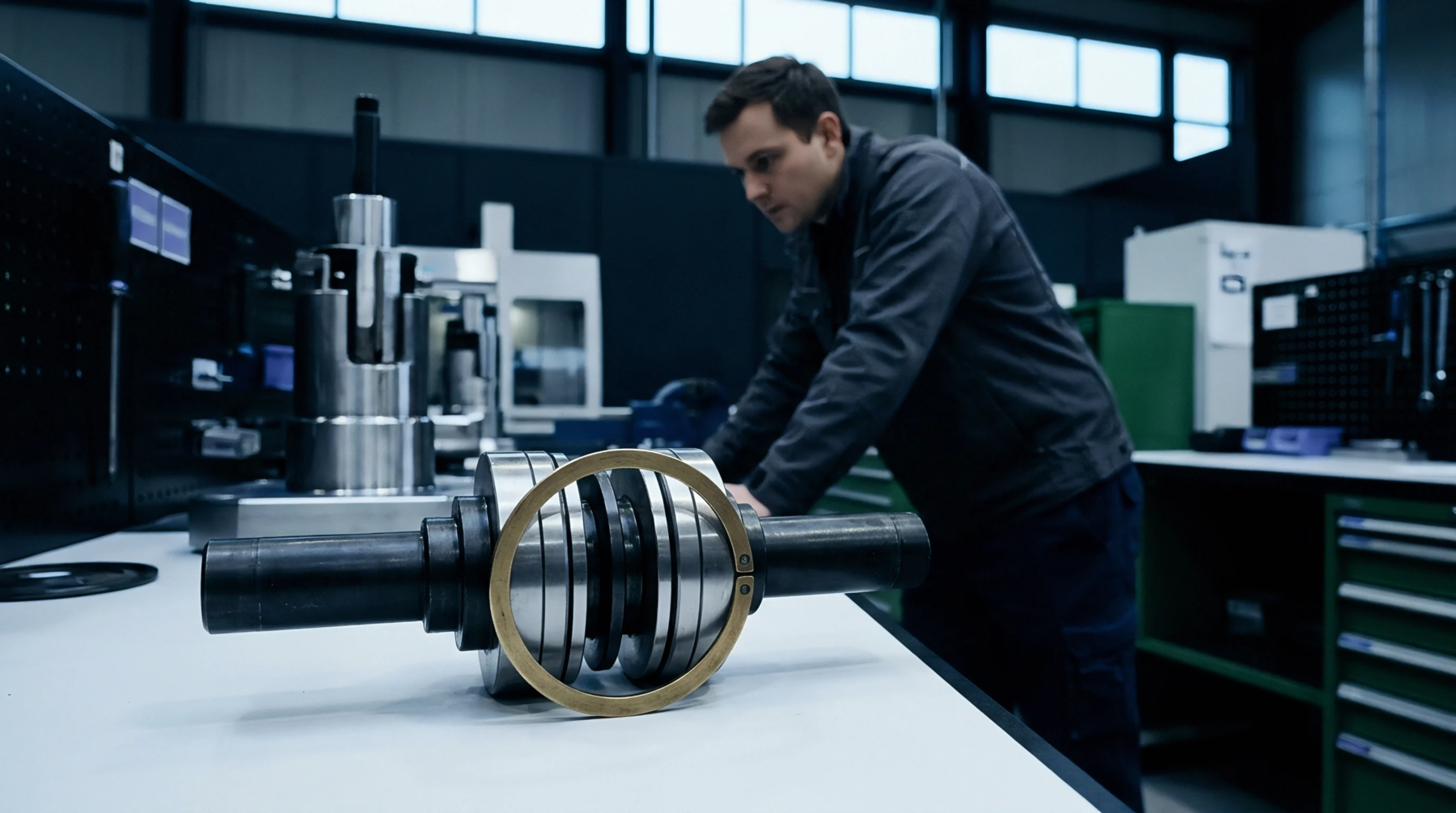
Capital expenditure category accounts for the money invested in custom machinery, molds, or fixtures needed to manufacture a specific product. Funding for tooling capex occurs during the launch phase of a project before any saleable items emerge from the factory. These assets are usually proprietary to the specific design and have little value outside that individual production run.
Initial Investment
Budgeting allocations focus on the high cost of precision equipment required to shape raw materials. When companies approve tooling capex, they commit significant resources to create the infrastructure that enables identical parts to be made repeatedly. This hardware forms the physical backbone of the assembly line’s capabilities.
Life Span
Operational duration depends on the total number of parts the metal can produce before tolerances fail. Because tooling capex covers items that physically wear down, planners must estimate the cost per year based on projected volumes. Regular preventative maintenance extends the usefulness of these expensive molds between overhauls.
Economic Depreciation
Financial impact is recorded by spreading the initial cost over the expected productive life of the component. Within the tooling capex account, value is removed from the balance sheet as each part leaves the machine and puts wear on the surface. Accurate accounting here ensures that enough cash remains available to replace the equipment once it wears out.