Meaning
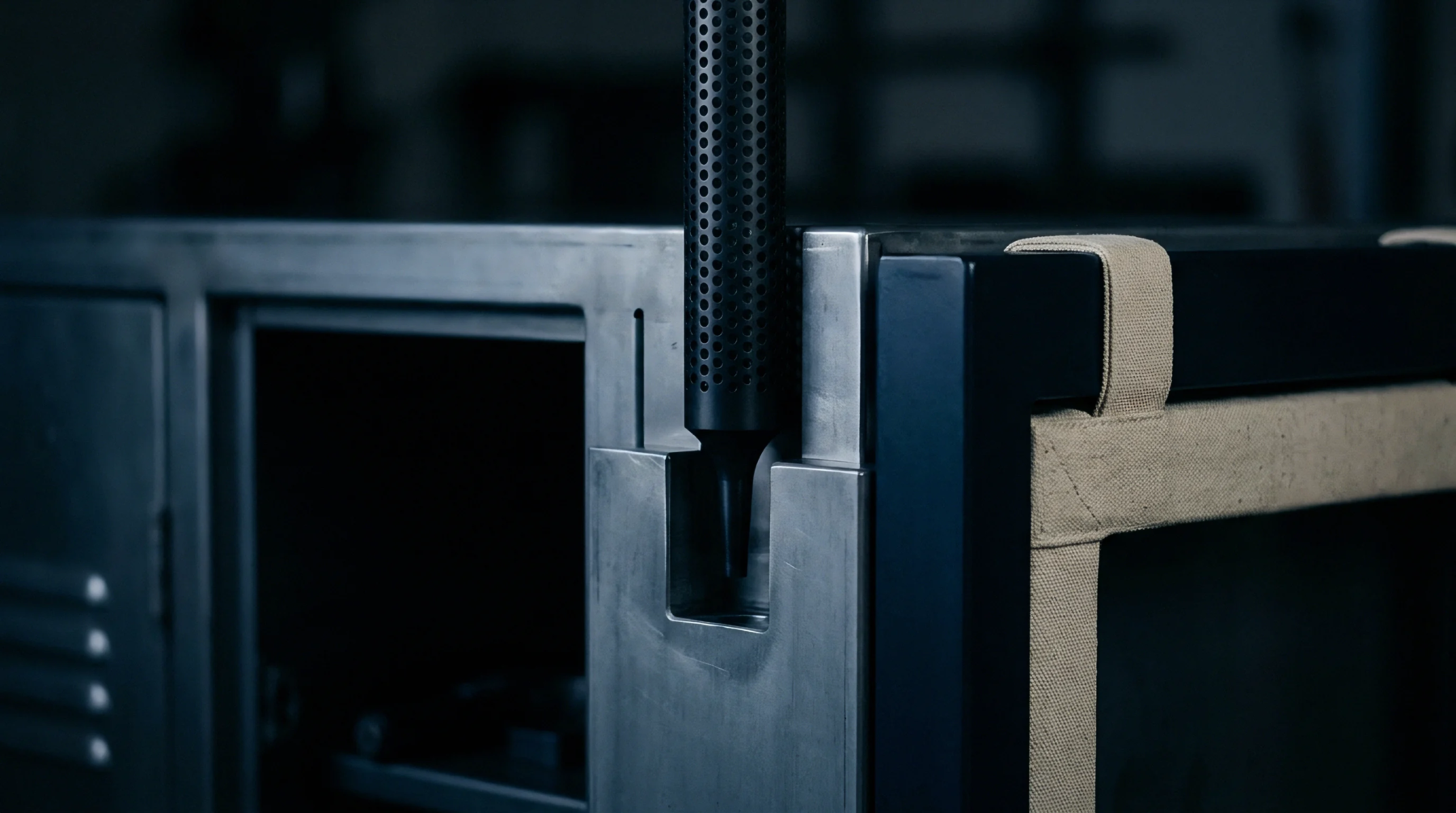
Mechanical system designed to reduce the time needed to switch production hardware. Quick change tooling utilizes standardized interfaces and locking mechanisms to eliminate the need for manual adjustment or calibration. This system allows a single machine to produce a wide range of parts with minimal delay.
It is the primary hardware solution for reducing setup times in modern factories.
Hardware Versatility
Plates and fixtures are designed with common mounting points that fit directly onto the machine bed. Uniformity ensures that the new tool is always positioned correctly without the use of hand tools. Precision alignment allows the operator to switch from one product to another without specialized training.
This flexibility is essential for handling small batches.
Changeover Speed
Traditional tool changes can take hours and require significant machine downtime. By using these modular systems, the transition time is reduced to the physical act of moving the hardware. Quick change tooling increases the total available production time by reclaiming hours that were previously lost to adjustment.
Faster changes mean that the factory can respond to customer orders more quickly.
Setup Precision
Mechanical stops and pins ensure that every tool lands in the exact same location every time. This repeatability is a core advantage of quick change tooling because it maintains product quality across different shifts. Without this system, the first few parts after a changeover are often scrap due to misalignment.