Meaning
Immediate actions taken to prevent the movement of defective or non conforming materials into the subsequent stages of the supply chain or to the final customer. This quality containment acts as an emergency barrier that is triggered the moment a problem is detected in a production run or a received shipment. It involves the physical isolation of the suspect goods and a comprehensive check of all inventory that might be affected by the same issue.
The goal is to isolate the risk and protect the reputation of the company while a full investigation into the root cause is conducted. This process stops at the boundary of the isolated lot and does not include the long term remediation of the manufacturing equipment.
Defect Isolation
Separating the potentially faulty units from the good stock requires a rapid and organized response from the warehouse and production teams. Once a failure is identified, quality containment protocols require that all material within a specific time window or batch number be placed in a restricted area. This area is often physically caged and marked with high visibility signs to prevent accidental use.
Software systems are updated to lock the part numbers so they cannot be scanned for shipment or used in an assembly. This isolation must be absolute to ensure that no defective units escape the facility. The cost of missing a single unit during this phase can be much higher than the cost of the entire containment effort.
Supply Chain
Extending the search for defects to the materials already in transit or at the sites of the customers is necessary for a complete safety net. If the problem is severe, quality containment might involve a stop ship order that affects every distribution center in the network. The logistics team must track every pallet that left the factory since the last known good sample was verified.
This requires a high level of traceability in the inventory management system. Suppliers are also notified if the defect is suspected to have come from a raw material or a sub component they provided. This communication ensures that the entire chain is aware of the risk and can take their own protective measures.
Speed is the most important factor in this part of the process.
Corrective Action
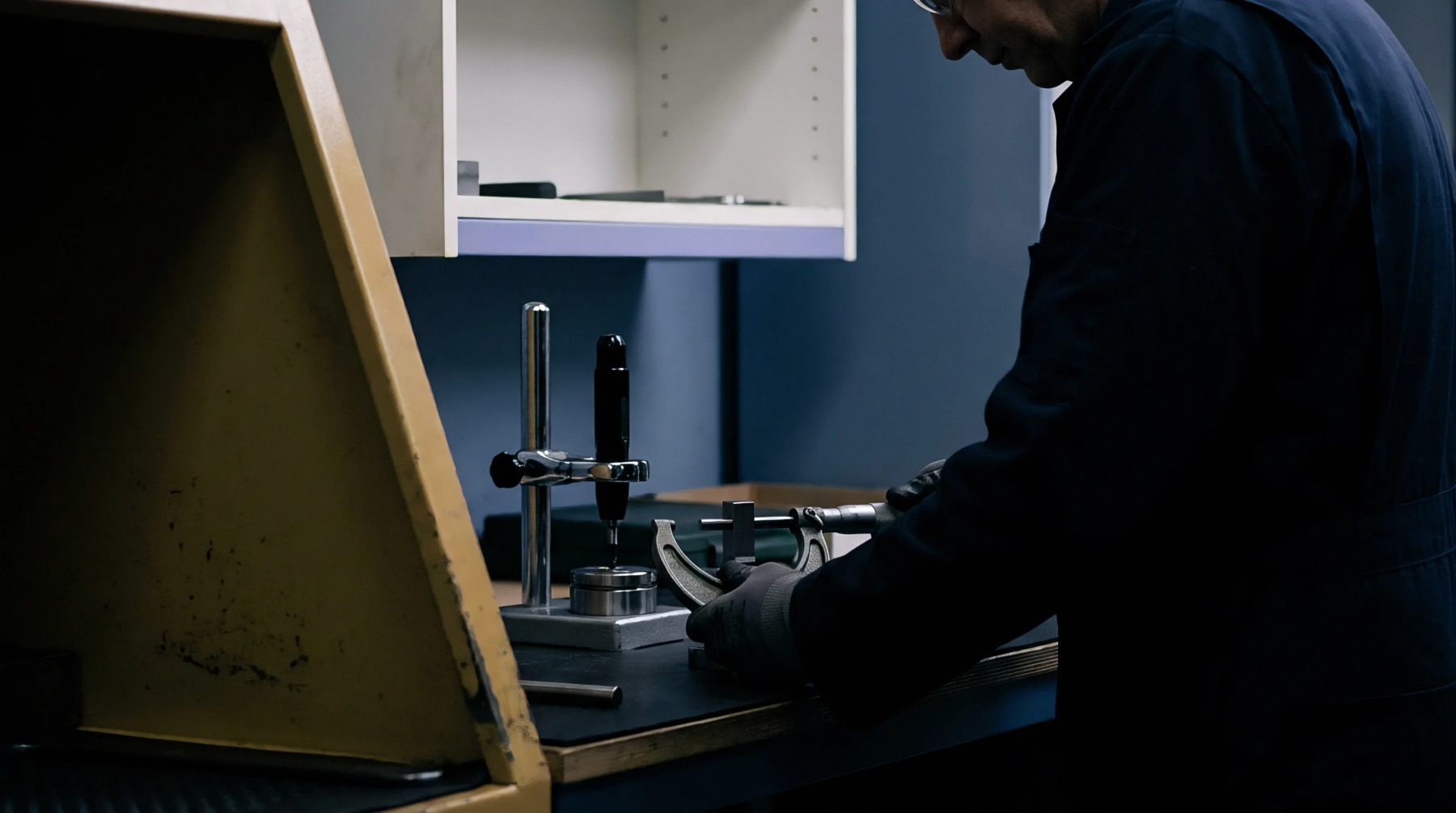
Determining what to do with the isolated material is the final step after the immediate risk has been managed. During quality containment, a team of engineers and quality specialists inspects the suspect items to determine if they can be repaired or if they must be destroyed. This inspection often involves 100 percent testing of the lot rather than the usual sampling plan.
If a repair is possible, a specific rework procedure is developed and validated to ensure it does not introduce new problems. The findings from this inspection provide the data needed to find the root cause of the failure. Once the material is cleared or disposed of, the containment is closed and the normal process resumes.
This cycle prevents a single error from turning into a widespread product recall.