Establishing Material Quality Sign off Escalation Rights in High Velocity Production
Enforce material sign-off rights via tripartite dual-key release, solid-line quality reporting, automated ERP quarantine, and contractual line-stop chargebacks.


Takt
Modern continuous conversion facilities turn raw feedstock into finished goods on cycles measured in single-digit seconds. When an automated stamping, lamination, or surface-mount station cycles every three seconds, an unresolved raw material variance generates thousands of non-conforming parts before an offline laboratory finishes a single wet chemical titration or tensile test. High-speed manufacturing hits an operational wall right at this interface between machine velocity and quality governance.
Plant managers answer for overall equipment effectiveness, volume fulfillment, and asset utilization. Quality managers carry statutory, contractual, and regulatory accountability for defect containment. When incoming coil stock, chemical slurry, or semi-finished extruded profiles exhibit marginal out-of-spec conditions, those two mandates collide.
Without legally binding, procedurally explicit sign-off escalation rights embedded in employment contracts and operational delegations, commercial pressure to keep the line moving routinely overrides technical containment rules.
Production environments operating at five hundred strokes per minute generate physical inventory faster than conventional management hierarchies can deliberate. If the authority to halt a line or quarantine upstream feed stocks resides exclusively with a founder, an off-site plant director, or a daytime executive committee, third-shift supervisors face an impossible choice: permit questionable material to pass into active assembly, or trigger an unauthorized line stoppage that wipes out daily production bonuses. Ambiguity in decision rights guarantees that bad material flows unchecked.
In conversion environments, thirty minutes of supervisory hesitation produced forty-two metric tons of defective laminated core steel before a formal quarantine order was issued. That failure originated in reporting architecture. Operational sign-off authority was assigned on paper to an inspection lead who reported directly to the shop floor manufacturing superintendent ~ whose variable bonus depended strictly on daily tonnage targets.

Assembly Velocity and Immediate Containment Deadlines
High-volume manufacturing cells require definitive line-stop triggers tied to objective statistical boundaries rather than discretionary managerial consensus. When raw materials enter an automated cell, physical sensors, automated optical inspection units, and inline eddy-current probes monitor physical characteristics continuously. Disputes begin when an inline measurement straddles the borderline between internal specifications and engineering concession limits.
An out-of-round tolerance on a drawn aluminum battery can might sit five micrometers outside drawing limits while remaining technically functional for pack assembly. The plant superintendent wants to process the coil. The supplier quality engineer knows the downstream welding laser will experience arc instability on seven percent of those units.
The authority to force an immediate stoppage must sit with the quality assurance function at a level equal to or higher than the manufacturing operational head.
Interim plant executives and manufacturing directors must structure containment protocols with fixed time windows. When an automated reject gate flags three consecutive parts or ten parts per rolling hundred, an immediate containment clock starts. High-velocity facilities cannot allow an operational supervisor to disable a physical interlock while investigating root cause.
The delegation of authority must dictate that the physical interlock trips the main conveyor drive automatically. Restarting that drive following a material discrepancy shutdown requires a cryptographic sign-off token held exclusively by the quality engineering lead. This structural design removes shop-floor negotiation from the containment event.
The line stays dormant until a defined technical qualification run occurs.
The speed of defect generation demands compressed decision ladders. An organization running sixteen automated surface-mount lines placing sixty thousand components per hour per line cannot use a twenty-four-hour engineering review cycle for solder paste viscosity drift or lead-frame oxidation. Escalation pathways must compress into fifteen-minute, thirty-minute, and two-hour response tiers.
Each tier expands the organizational blast radius of the decision. Tier one involves the local shift quality engineer and cell technician. Tier two brings the plant operations director and chief metallurgist into an emergency disposition.
Tier three engages the managing director and commercial legal counsel for immediate customer notification or supplier rejection.
Automated conversion lines operating below six-second cycles generate fifty thousand dollars in quarantined work-in-progress during every twenty-minute delay in formal containment authorization.
The table below defines the required structural authority tiers across high-speed production environments when incoming raw material deviates from certified limits.
| Escalation Tier | Allowable Resolution Window | Physical Line Intervention Authority | Concession Authorization Limit | Executive Escalation Trigger |
|---|---|---|---|---|
| Tier 1: Shift Level | 15 Minutes | Shift Quality Technician | Zero deviation from drawing specifications | Continuous defect run exceeding 50 units |
| Tier 2: Plant Level | 60 Minutes | Quality Assurance Director | Up to 5,000 USD scrap value or non-critical tolerance band | Unresolved line halt exceeding 30 minutes |
| Tier 3: Executive Level | 120 Minutes | Interim Chief Operating Officer | Up to 50,000 USD scrap value or cosmetic concession | Scrap accumulation rate exceeding 10,000 USD per hour |
| Tier 4: Board Level | 4 Hours | Chief Executive Officer | Unlimited financial impact or critical safety parameter | Customer delivery failure or structural field recall liability |

The Line Stop Friction Point
Structural conflict between production throughput and material integrity concentrates at the line-stop trigger. Plant managers, bonus-incentivized on weekly shipped volume, view an idle line as an unrecoverable financial hemorrhage. Machine depreciation, direct labor absorption, and finished goods shipping penalties accrue against the manufacturing department every minute the main drive remains de-energized.
Conversely, the quality department measures risk through downstream warranty claims, scrap value, and regulatory compliance defaults. When these two incentives operate without an explicit hierarchy, the party with direct physical control over the machinery wins. In most plants, the production manager controls the machinery.
The quality engineer merely writes documentation.
Correcting this structural defect demands an explicit delegation of authority that strips the manufacturing director of unilateral line-restart rights. An operational governance charter must establish that while any plant employee holds the authority to stop a high-velocity assembly line upon observing defective material, only an authorized quality assurance representative holds the legal and systemic right to reset the safety interlock and authorize production resumption. If a plant manager overrules a quality line-stop order, the operational charter must mandate an immediate, automated notification to the managing director and the audit committee of the board.
This reporting design transforms an informal shop-floor intimidation event into an auditable executive governance breach.
Clear, written operational authority prevents ambiguity from eroding factory discipline. Unless quality engineers are formally protected by hard governance rules, shop-floor pressure will inevitably override technical standards.

Delegation Thresholds along the Assembly Spine
Delegated authority schedules define the financial and technical boundaries within which plant personnel act without senior executive concurrence. In a high-velocity manufacturing facility, these schedules cannot rely on generic spending authorizations. They must articulate specific material concession limits, allowable geometric variation thresholds, and maximum scrap commitments per production shift.
A shift quality supervisor might carry the authority to accept an incoming raw material batch that exhibits minor dimensional drift within a secondary three-sigma statistical process control band, provided the deviation carries zero impact on downstream assembly cycle times. The moment that material variation forces an adjustment to press stroke speeds or feeder dwell times, the sign-off right escalates automatically to the plant quality director.
Every handoff across the conversion sequence carries financial liability. If stamping passes marginal sheet metal to robotic welding, the welding cell inevitably fouls its copper tips, slows its indexing cycle, and increases defect output. The delegation schedule must therefore state that any material concession granted at an upstream conversion stage requires written concurrence from the operational lead of the immediate downstream manufacturing stage.
This horizontal check prevents an upstream supervisor from dumping non-conforming work-in-progress into a subsequent cell simply to clear personal shift metrics.
When high-speed conversion facilities fail to formalize these escalation boundaries, operational managers default to processing suspect inventory under informal verbal promises of future engineering concessions, converting twenty thousand dollars of recoverable supplier raw material into two hundred thousand dollars of unsalvageable scrap that the buying organization absorbs entirely.


Concession
Waiver management forms the primary procedural channel through which non-conforming raw inventory enters high-velocity production streams without triggering catastrophic field recalls. In automotive powertrain, medical device packaging, and consumer electronics assembly, raw stock frequently arrives with minor chemical or mechanical variances. A batch of polypropylene resin might demonstrate a melt flow index slightly below nominal technical specifications; a shipment of cold-rolled steel may show surface roughness values hovering at the upper statistical boundary.
A concession, or engineering waiver, documents the formal operational decision to run this material through production under controlled processing parameters. The structural failure in most manufacturing businesses lies in the loose delegation of who signs this waiver, what testing must precede it, and which executive carries the commercial liability when the processed components fail downstream endurance trials.
Founders and production vice presidents often treat concessions as procedural rubber stamps designed to avoid supply chain disruptions. When components sit trapped in an incoming goods quarantine dock while the final assembly line starves for feed stock, commercial anxiety peaks. Suppliers exert intense commercial pressure, promising future credit notes or arguing that the deviation is technically immaterial.
Under this commercial strain, organizations lacking rigid concession sign-off rights experience administrative collapse. The plant director signs an informal deviation sheet, the warehouse forklift driver drops the quarantined pallets into the automated de-palletizing cell, and hundreds of thousands of marginally defective units enter the production stream. If field failures manifest nine months later, the signed paper waiver acts as a full legal release for the external material vendor, leaving the finished-goods manufacturer holding total product liability.
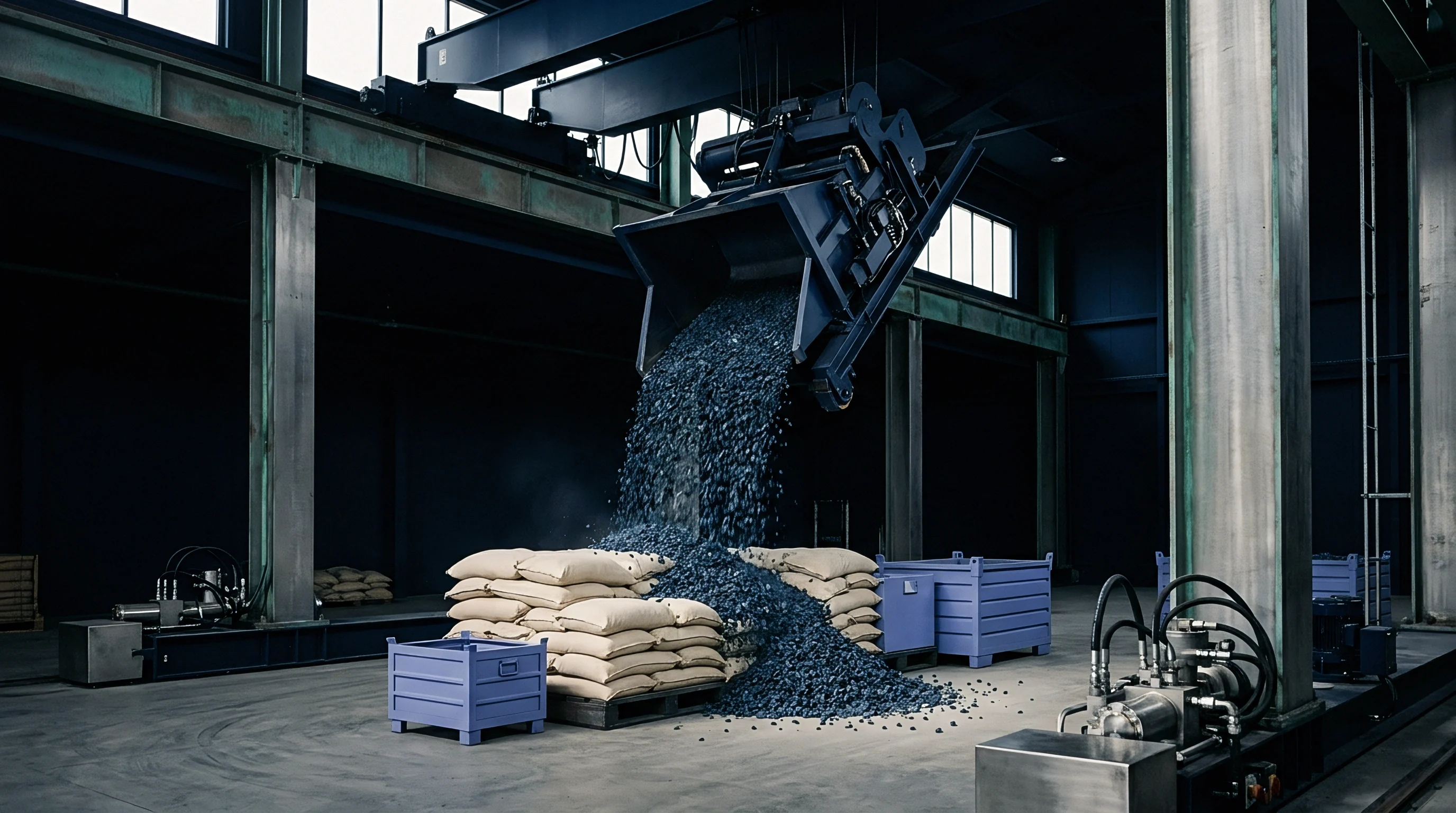
Whose Signature Unlocks Quarantined Raw Inventory?
Quarantine release governance requires dual-key authorization across engineering, quality, and commercial disciplines. The release of out-of-specification incoming raw goods cannot rest upon a single functional signature. An operational delegation policy must establish that any material waiver exceeding baseline commercial value or involving a critical-to-quality product dimension requires concurrent signatures from three distinct roles: the head of quality assurance, the head of manufacturing operations, and the chief technical or product design engineer.
If any of these three parties refuses to endorse the waiver, the quarantine holds. The matter escalates immediately to the managing director. This structural tripartite lock eliminates the scenario where a single stressed production supervisor releases suspect stock under output quotas.
The authority to grant material deviations must explicitly separate non-critical cosmetic traits from structural, mechanical, or electrical tolerances. Plant managers frequently conflate these domains when running against daily dispatch deadlines. A scratch on an unexposed structural bracket can be conceded safely by a shift-level quality engineer with minimal operational risk.
An out-of-tolerance tensile strength on that same bracket involves structural vehicle safety, requiring sign-off from the certified chief engineer of the enterprise. Structural concessions should never be granted at plant level. They belong exclusively to the design authority that certified the original product safety dossier.
Interim leaders entering broken conversion environments routinely discover sign-off records signed by unauthorized junior planners. This practice exposes the company to severe regulatory sanctions under quality management systems such as IATF 16949 or ISO 13485. An audit trail showing unvalidated material entering production lines without documented engineering risk assessments invalidates the entire facility certification.
Rebuilding this operational integrity requires stripping local plant teams of unilateral waiver generation rights and routing all material deviation proposals through a centralized technical review board.
The following parameters govern whether an incoming raw material lot qualifies for temporary concession review or faces immediate vendor return:
- Dimensional Deviation Limits cannot exceed twenty percent of the established manufacturing tolerance band, and the deviation must not alter downstream automated feeder clearance or mating part alignment.
- Chemical Composition Tolerances must satisfy all statutory safety, flammability, and environmental regulations, with laboratory certification verifying zero degradation of product design life.
- Traceability Identification requires distinct physical and digital tagging of every conceded unit, enabling surgical quarantine if downstream assembly yields degrade during automated processing.
- Vendor Commercial Acceptance establishes formal supplier agreement to absorb all scrap, sorting, machine downtime, and tool wear costs induced by processing the conceded material batch.

Engineering Deviation Limits under High Volume
High-speed manufacturing cells require quantifiable boundary limits for temporary material deviations. Running non-standard material through automated production lines changes machine dynamics, tool wear rates, and assembly yields. If a stamped copper terminal demonstrates micro-burrs along its sheared edge that sit outside procurement drawings, running that terminal through high-speed automated insertion machines will increase tool jamming frequency.
The concession document cannot merely state that the terminal is accepted. It must define the operating boundary conditions: insertion feed rates may drop by ten percent, optical sensors must run on increased sensitivity thresholds, and the stamping supplier must pay an agreed hourly rate for offline machine clearing. An engineering concession is a modified production trial operating under controlled parameters, not a clean waiver of specification.
The duration and batch quantity of every concession must carry rigorous constraints. A concession should never be open-ended. It applies to a finite quantity of raw material lots or an explicit calendar window not exceeding forty-eight operating hours.
Once that quantity is consumed or that temporal boundary expires, the concession terminates automatically within the enterprise resource planning system. Any residual raw material remaining in the warehouse reverts instantly to quarantine status. If the supplier fails to deliver fully compliant material on the subsequent delivery run, the production line halts or transitions to an alternate approved raw material source.
Without automated system expiration, temporary concessions transform into permanent informal drawing alterations, degrading baseline quality standards across the enterprise.
Long-standing performance history across other facilities does not exempt raw material from meeting active drawing tolerances.


Scrap
Scrap velocity in automated manufacturing facilities outpaces conventional financial accounting cycles. When a plant processes raw copper, aluminum sheet, or engineered polymers at high velocity, defective material converts into mountains of unrecoverable waste within single operational shifts. If a high-speed progressive die stamping press operates at three hundred strokes per minute with a two-out die, it produces six hundred parts every sixty seconds.
A sub-surface inclusion defect in the raw brass coil that induces edge cracking produces thirty-six thousand ruined parts during a single hour of unmonitored production. The scrap value in lost metal, consumed electrical energy, press tool wear, and secondary waste logistics reaches tens of thousands of dollars per shift. The right to halt this machine cannot be subjected to managerial deliberation or financial analysis meetings.
The machine must halt immediately.
The financial liability of scrap generated from defective incoming feedstock sits at the center of supplier disputes. Material suppliers consistently argue that the manufacturing plant should have detected the variance at incoming goods inspection before uncoiling, slitting, or feeding the material into active production tooling. Conversely, the manufacturer points out that internal chemical inclusions, internal voiding, or fluctuating tensile yields across a two-ton coil of metal can only be observed when the material undergoes mechanical plastic deformation inside the forming press.
This tension creates an operational stalemate unless contract terms and escalation frameworks precisely delineate where incoming acceptance ends and in-process processing liability begins.

Accumulation Rates across Multi Station Automation
Automated manufacturing architectures amplify the economic impact of non-conforming materials as parts move down the value stream. A raw material defect introduced at station one that escapes detection travels through station two for laser welding, station three for ultrasonic cleaning, and station four for electronic potted assembly. By the time the non-conformance is identified at an end-of-line functional testing station, the manufacturer has added value to scrap material, compounding the financial loss.
The cost of the non-conformance is no longer the three-cent raw stamping. It is the eighteen-dollar completed electromechanical module. Material sign-off escalation rights must therefore include the authority to halt upstream stations instantly upon a failure signature emerging downstream.
The arithmetic of compound defect rates requires plant quality leaders to enforce absolute stop limits. In a six-station automated cell where each station operates at a ninety-nine percent yield, the composite cell yield drops to ninety-four percent. When an out-of-specification incoming raw material batch degrades station one yield to ninety-two percent, the overall line yield collapses below eighty-five percent.
This collapse generates severe economic waste, strains factory floor material handling, and overwhelms offline rework teams. High-speed manufacturing environments cannot absorb these losses. The delegation of authority must give the shift quality lead the unchallengeable right to kill cell power the moment first-pass yield falls below an agreed economic floor.
No operational target ever justifies the compounding of known material non-conformances across automated downstream assembly stages.
Automated lines require strict metrics because uncontained yield losses quickly threaten overall plant viability. Running at high speed without dimensional control creates industrial waste, making absolute containment thresholds essential.
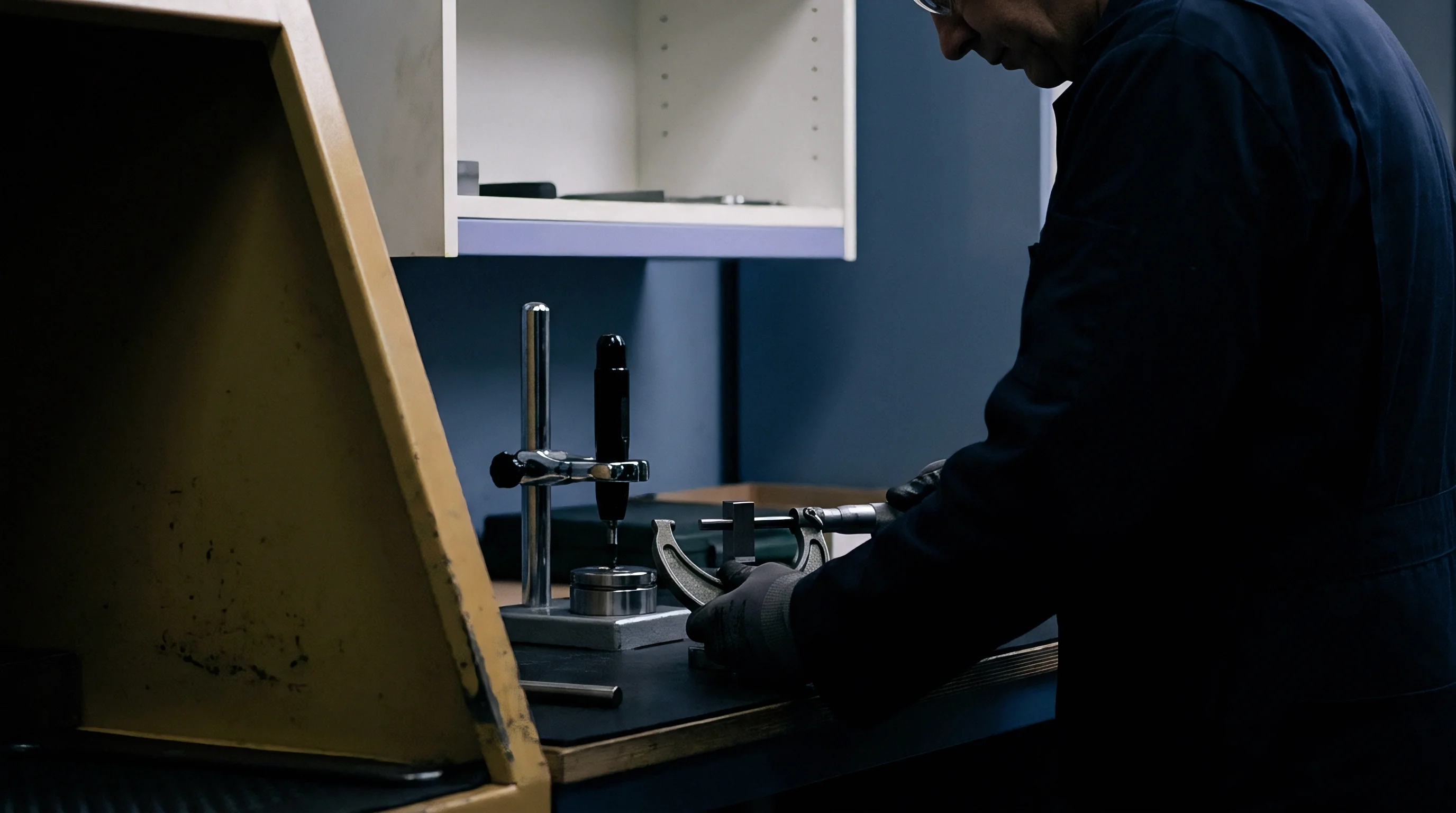
Containment Speed versus Production Quotas
Production quotas create deep psychological and financial incentives for operational teams to minimize or obscure material defects. Shift supervisors, evaluated on total parts produced rather than scrap rates, often isolate or bypass automated sorting equipment to sustain machine speeds. This behavior, observed frequently across contract manufacturing and tier-two industrial sectors, represents an existential governance hazard.
When leadership incentivizes plant throughput without balancing that metric against scrap dollar velocity, the shop floor conceals defective output in storage yards, transfers rework across shifts, and pressures inspectors to overlook marginal measurements. Rebuilding this dynamic requires a total decoupling of quality sign-off authority from plant operations management.
The operational sequence for containing high-velocity scrap runs must operate with the precision of an emergency shutdown drill. Plant personnel must execute containment through a non-negotiable sequence of physical and systemic interventions that isolate suspect stock, preserve physical evidence, and freeze automated feed drives.
- Mechanical Feed Stoppage halts upstream coil feeding, resin dosing, or component pick-and-place drives instantly through automated programmable logic controller interlocks triggered by defect sensors.
- Systemic Inventory Lockout places a digital freeze on the active material lot number within the enterprise resource planning system, preventing warehouse systems from picking or transferring associated containers.
- Physical Dock Containment isolates all remaining unworked inventory from the suspect vendor shipment into a locked, access-controlled quality holding area within forty-five minutes of line stoppage.
- WIP Traceability Purge evacuates every part currently positioned between the feeding station and the downstream test gate, routing these intermediate parts directly into certified scrap holding bins.
- Tooling Integrity Verification requires an immediate optical inspection of forming dies, injection molds, or cutting tools to ensure non-conforming raw material has not caused secondary tooling breakage or galling.
Material defects that escape early containment inevitably multiply across downstream operations until an entire facility converts its daily working capital into unsellable scrap bins.


Tribunal
The Material Review Board, functioning as an internal technical and operational tribunal, provides the formal governance mechanism for adjudicating complex material quality disputes in high-velocity plants. When production demands run counter to quality thresholds, informal hallway debates between operations directors and quality managers degrade corporate discipline. The tribunal formalizes this tension into a structured judicial proceeding.
Composed of permanent representatives from manufacturing operations, quality engineering, product design, procurement, and supply chain logistics, the board convenes on strict daily or emergency cadences to evaluate non-conforming inventory, review formal concession requests, and determine the physical and financial disposition of suspect lots. Operating without a legally structured review board ensures that material decisions are made by whoever yells the loudest on the plant floor.
An effective review tribunal operates under explicit constitutional rules. It possesses a defined charter, minimum quorum mandates, formalized voting weights, and unambiguous documentation procedures. In high-velocity plants, this board cannot act as an academic committee that takes three weeks to issue an engineering advisory.
It functions as an operational emergency room. When an automated line halts due to material failure, the board convenes within thirty minutes, examines empirical metrology data, reviews supplier traceability logs, and issues a legally binding determination. That determination takes one of four distinct paths: immediate return to vendor, certified sorting and offline rework, controlled concession running with process parameter modifications, or immediate destruction and scrapping.
The decisions of the tribunal carry absolute authority within the manufacturing facility.

Material Review Board Composition and Voting Weight
Tribunal membership must be structurally designed to prevent operational capture. If the plant manager chairs the board and holds tie-breaking voting power, production quotas will dictate every outcome. Conversely, if design engineering dominates without operational understanding, the plant will spend millions of dollars scrapping functional materials that could have run successfully with minor tooling adjustments.
Best-in-class governance structures mandate that the board be chaired exclusively by the corporate head of quality or an independent technical director who reports directly to the enterprise board of directors or chief operating officer, entirely outside the plant operational hierarchy. This reporting line guarantees structural independence from daily manufacturing volume targets.
Voting structures within the tribunal must reflect engineering authority rather than headcounts. A plant operations team cannot be allowed to outvote quality assurance simply by bringing four shift supervisors into the review room. Each functional domain carries exactly one vote: Manufacturing Operations, Quality Assurance, and Product Design Engineering.
In the event of a split decision, where Operations votes to run material under concession, Quality votes to reject, and Design Engineering abstains or splits its assessment, the standard operating procedure must mandate automatic rejection. The fundamental doctrine of the tribunal is that material conformity is presumed negative until proven positive. A lack of technical consensus results in material rejection.
The table below details the composition, required quorum, and delegated decision authority of the internal Material Review Board across operational non-conformance events.
| Functional Seat | Minimum Required Profile | Voting Weight | Veto Rights | Escalation Threshold to Board |
|---|---|---|---|---|
| Board Chair | Corporate VP Quality or Interim Executive | 1 Vote (Casting in deadlocks) | Absolute on all safety, legal, and regulatory parameters | Unresolved compliance disputes or customer audit breaches |
| Manufacturing Operations | Plant Director or Manufacturing Operations Head | 1 Vote | Zero veto rights against technical rejections | Line downtime projections exceeding 250,000 USD |
| Quality Engineering | Lead Material Engineer or Metrology Lead | 1 Vote | Absolute on dimensional and metallurgical drawing tolerances | Batch defect rates exceeding 5 percent of production volume |
| Product Design | Chief Engineer or Certified Systems Architect | 1 Vote | Absolute on any design blueprint alteration or customer spec | Any safety-critical or regulatory performance metric |
| Procurement and Legal | Supply Chain Director or Corporate Counsel | Advisory (Non-voting) | Zero veto rights on material technical disposition | Supplier commercial counterclaims exceeding 100,000 USD |

Is Line Intervention Legally Protected against Plant Targets?
Operational personnel who halt production lines or reject marginal material frequently face retaliatory internal pressure when factory output bonuses collapse. If an enterprise does not legally and structurally protect an employee who exercises quality escalation rights, its quality management system exists purely on paper. In many manufacturing environments, a mid-level quality engineer who halts an automotive assembly line costing thirty thousand dollars an hour in downtime faces severe career friction from plant executives.
To defeat this failure mode, progressive industrial organizations embed specific statutory non-retaliation and whistleblowing clauses directly into the employment contracts of quality engineering and inspection personnel. These clauses state that halting a manufacturing line in good faith based on verifiable statistical non-conformance cannot constitute grounds for disciplinary action, performance downgrade, or dismissal.
The protection must also function structurally through reporting architecture. When a plant quality director reports administratively and functionally to the plant manager, independence is an illusion. The plant manager writes the quality director’s annual performance review, sets discretionary bonuses, and controls promotional trajectories.
Under this reporting line, quality directors inevitably capitulate during high-pressure month-end shipping pushes. The solution is solid-line reporting to an executive quality officer at corporate headquarters, with only a dotted-line administrative coordination link to the local plant manager. The local plant manager cannot fire, discipline, or adjust the compensation of the quality director.
This reporting wall provides the legal and operational shield required for quality engineers to stand firm against commercial intimidation.
Redesigning governance charters across high-velocity manufacturing organizations installs this exact reporting independence. In an industrial metal forming plant producing precision components at seven hundred parts per minute, where a plant manager repeatedly overruled shift quality inspectors, the resulting warranty claim with a European commercial vehicle manufacturer reached six million dollars. Moving the plant quality team into an independent entity reporting directly to the group chief executive officer caused the incoming raw material scrap rate to drop by seventy-four percent within ninety days, as suppliers realized out-of-spec metal coils would no longer be accepted through informal plant negotiations.
Section 14 of the master manufacturing agreement establishes that all engineering concession authorizations remain null and void unless accompanied by the written counter-signature of the corporate quality director.

Appeals to the Managing Director
Deadlocks between plant operations and quality engineering demand a formal, rapid appeal route to the chief executive or managing director. When the Material Review Board divides evenly on a high-stakes material decision, the plant cannot sit paralyzed in administrative debate while customer delivery deadlines lapse. The appeal procedure must be launched within two hours of a tribunal deadlock.
Both parties, the operational head and the quality director, prepare an emergency decision dossier consisting of a single standardized page. The operational head states the delivery impact, machine downtime cost, and potential commercial penalties from late shipment. The quality director states the technical non-conformance, statistical defect probability, downstream warranty exposure, and regulatory liability.
The managing director must evaluate the dispute through total enterprise risk rather than single-metric plant efficiency. In many cases, the correct commercial decision is to take the plant downtime, absorb the customer late-delivery fine, and reject the defective raw material back to the supplier. Late delivery penalties are bounded, measurable, and recoverable through commercial negotiations or supplier indemnities.
A widespread product recall in the field, accompanied by regulatory investigations, customer relationship destruction, and product liability litigation, produces unrecoverable financial ruin. The operational governance structure must explicitly reinforce this hierarchy of priorities: legal compliance and product safety take precedence over schedule integrity, which takes precedence over manufacturing cost absorption.
Flawed escalation frameworks frequently exhibit predictable structural breakdowns. The list below identifies the most destructive failure modes in factory floor escalation structures:
- Informal Supervisory Overrides where plant superintendents verbally instruct machine operators to bypass automated sorting gates and process quarantined raw inventory without written engineering concessions.
- Commercial Margin Concealment where procurement teams hide known raw material dimensional defects from the plant quality board to capture quarterly purchase price variance bonuses.
- Retrospective Waiver Generation where documentation teams draft and approve concessions days after defective finished goods have already cleared the factory warehouse and shipped to end customers.
- Asymmetric Quorum Assemblies where emergency review panels convene without quality engineering representation, permitting operational managers to force material dispositions in secret.

Operational Cadence during out of Tolerance Runs
When an enterprise makes the strategic decision to run marginally deviating raw material under a formal tribunal concession, operational cadences must shift immediately from standard automated production into heightened quarantine monitoring. Running concession material is high-wire manufacturing. Machine feeds, cutting fluid temperatures, press tonnages, and laser frequencies must be calibrated to compensate for the known raw material variance.
Automated inspection systems must have their acceptance windows tightened to catch any compounding micro-defects before parts clear the cell. Quality engineering must transition from statistical batch sampling to one-hundred-percent inline optical or metrological verification.
The physical segregation of parts generated during an approved concession run must be absolute. Every container, pallet, or tote holding finished goods manufactured from conceded stock must receive physical high-visibility labeling and digital batch tagging within the manufacturing execution system. These parts are routed into designated storage bays isolated from standard inventory.
If customer field performance exhibits early degradation, supply chain traceability systems can locate and recall the precise vehicle identification numbers or serial codes containing the conceded raw material lot within minutes, insulating the broader product fleet from uncontained recall exposure.
The standard supply agreement clause states that no verbal authorization, shop-floor departure sheet, or informal email exchange shall operate as a waiver of certified technical specifications, and any such unauthorized concession renders the executing plant manager personally subject to immediate corporate governance sanction.

Indemnity
Material non-conformance in high-velocity manufacturing represents a massive financial transfer from the buyer to the supplier unless governed by ironclad commercial indemnity mechanisms. Raw material vendors operate on thin commercial margins. When a steel mill, copper rolling house, or plastic polymer compounder delivers an out-of-specification master batch, their commercial team works relentlessly to minimize financial exposure.
They offer modest material credits, propose superficial rework, or suggest running the material under concession. If the manufacturer accepts the material without locking down total operational indemnity, the manufacturer permanently absorbs the financial delta between raw material value and full operational disruption cost. A five-thousand-dollar credit note on a coil of cold-rolled steel is an insult when that coil generates one hundred and eighty thousand dollars in automated press tooling destruction, machine downtime, and customer sorting charges.
Commercial contracts must therefore tie technical sign-off escalation rights directly to contractual recovery mechanisms. A supplier quality engineer cannot operate in an administrative silo detached from the commercial procurement contract. Every technical non-conformance report issued on the plant floor must translate instantly into a legal notice of dispute under the master supply agreement.
The contract must mandate that the delivery of out-of-specification material triggers automatic vendor liability for all direct, indirect, and consequential damages incurred by the buyer in containing, sorting, testing, and processing that material. Without these explicit legal recovery terms, escalation rights within the plant remain empty technical posturing that suppliers safely ignore.

Contractual Liability for Defective Infeed Lots
Supply contracts must define non-conforming delivery with precision. The contract cannot merely reference industry standard tolerances or commercial grade norms. It must define technical conformity through an approved Quality Assurance Agreement that lists every critical drawing dimension, chemical threshold, surface roughness parameter, and packaging specification.
The agreement must state unambiguously that delivery occurs only when the material satisfies every metric defined in that document. If an incoming lot arrives with a non-conformance, legal delivery has not occurred. Ownership and risk of loss remain with the vendor, and the buyer holds the statutory right to reject the shipment immediately at the receiving dock, with all demurrage and return freight billed to the vendor’s account.
The indemnity clause must explicitly survive internal plant concessions. Material suppliers frequently draft contract terms stating that if the buyer accepts and processes material under an internal concession or engineering waiver, the supplier is completely released from all warranty and defect claims. This is a commercial trap.
A buyer often runs marginal material under concession purely to prevent a complete customer assembly shutdown that would trigger catastrophic shutdown penalties. The master purchase contract must explicitly state that an engineering concession granted by the buyer to mitigate immediate line downtime does not waive the buyer’s right to full indemnification for sorting costs, increased scrap rates, tooling wear, or downstream customer warranty claims resulting from that non-conformance.

Chargeback Mechanics for Line Stoppage Losses
Recovering operational losses from raw material vendors requires automated contractual chargeback formulas. When a defective batch of material jams an automated feeder or forces an emergency line stoppage, finance teams cannot spend eighteen months litigating labor rates and machine depreciation values in civil courts. The commercial contract must establish pre-agreed liquidated damages and standardized hourly chargeback rates for vendor-induced manufacturing interruptions.
These rates must reflect the fully loaded operational cost of the manufacturing asset, including direct technician labor, amortized capital equipment depreciation, consumed facility power, and plant overhead allocations.
The contract must empower the buyer to execute administrative set-off against outstanding vendor invoices. When an automated stamping or surface-mount cell halts due to defective material, the plant quality team documents the downtime hours, metrology reports, and scrap counts in a formal Non-Conformance Chargeback Dossier. Once certified by the corporate quality director and financial controller, this sum is automatically debited against the supplier’s pending accounts payable balance within thirty days.
The burden of proof then shifts to the vendor to dispute the chargeback through formal technical arbitration, rather than the buyer begging the vendor for a discretionary credit note. This financial mechanism forces material vendors to take internal factory escalation notices with ultimate seriousness.
Direct line downtime chargeback rates across precision automated conversion facilities range between two thousand five hundred and twelve thousand dollars per hour depending on tool complexity and secondary cell dependency.
The table below provides typical contractual chargeback recoveries across major raw material categories when defective infeed halts automated production.
| Raw Material Category | Primary Failure Mode | Standard Direct Labor Surcharge | Tooling Damage Recovery Scope | Allowable Invoice Set-Off Delay |
|---|---|---|---|---|
| Precision Strip Metal (Coil) | Thickness variance and edge burrs | 175 USD per sorting man-hour | Full replacement of progressive die punch sets | 30 Days from technical dossier delivery |
| Engineered Polymer Resins | Moisture contamination and melt instability | 150 USD per barrel purge cycle | Complete hot-runner manifold teardown and cleaning | 45 Days from chemical audit confirmation |
| Die-Cast Structural Blanks | Subsurface porosity and hard inclusions | 210 USD per metrology inspection hour | CNC spindle rebuild and solid carbide tooling breakage | 30 Days from metallurgical lab sign-off |
| Passive Electronic Feed Stock | Solderability oxidation and tape pitch drift | 195 USD per feeder recalibration hour | High-speed placement nozzle replacement and feeder repair | 15 Days from automated test failure report |

Notice Periods and Employment Indemnification Guarantees
The structural protection of the quality sign-off hierarchy extends into the employment contracts of the executives and engineers who hold these escalation rights. An interim chief operating officer, quality vice president, or technical director brought in to stabilize a chaotic manufacturing operation must hold contractual guarantees against bad-faith termination resulting from technical line interventions. When an interim executive halts production to contain a catastrophic material non-conformance, board members or founder-owners focused purely on short-term valuation or liquidity events may attempt to terminate the executive to force line resumption.
The employment contract must counter this vulnerability.
Interim appointments and permanent executive quality mandates must carry extended notice periods, comprehensive director and officer indemnification protections, and explicit severance triggers tied to governance interference. If an interim quality principal is dismissed within ninety days of executing a mandatory regulatory line stoppage or issuing a formal material rejection, the employment contract should trigger an automatic, non-mitigatable financial payout equal to the full value of the mandate. Furthermore, the contract must state that the executive holds complete personal legal indemnification from the corporation for any third-party commercial claims arising from good-faith enforcement of technical specifications or product safety mandates.
This contractual armor ensures that leadership acts without personal financial terror when facing aggressive factory floor operational pressure.
How do cross-border supply chains reconcile the jurisdictional conflict between local factory labor protections and foreign supplier master service agreements when an offshore supplier refuses to honor an emergency line-stop indemnity order?


Succession
Interim operational leaders deployed to rebuild broken manufacturing assets eventually face the mandatory transfer of authority to permanent line leadership. The transition represents an acute period of vulnerability for material quality escalation governance. An interim leader operates with an external mandate, independent authority, and zero fear of local plant politics.
The permanent successor, recruited into the permanent corporate hierarchy, faces immediate social and cultural pressure to conform to existing plant norms. If the escalation framework, sign-off thresholds, and reporting lines established during the interim phase are not codified into legally binding employment terms, operating charters, and system configurations, the entire governance structure unravels within ninety days of the interim executive’s departure.
Securing structural permanence requires transforming personal executive authority into systemic, institutional machinery. The right to halt a high-velocity production line or enforce a quarantine cannot depend on the personal charisma or abrasive will of an individual executive. It must be woven into the machine software, the enterprise resource planning workflows, the formal organizational charts, and the board audit committee reporting structures.
When a new permanent quality director or plant operations manager steps into the seat, the boundaries of their decision rights must already be fixed in concrete. The successor cannot have the contractual or organizational ability to quietly dismantle quality escalation controls in exchange for a smoother working relationship with the manufacturing superintendent.

Transitioning Interim Escalation Charters to Permanent Roles
The handover file provided by an interim manufacturing principal to a permanent successor must read as an exact operational playbook. It documents the historical non-conformance profiles of every primary raw material supplier, maps the actual statistical capability indices of shop-floor tooling, details the precise political fault lines within the plant operations hierarchy, and specifies the exact systemic interlocks governing line shutdowns. The incoming permanent executive must spend the initial thirty days operating under the joint supervision of the outgoing interim leader, shadowing the execution of Material Review Board sessions, participating in supplier concession debates, and witnessing the resolution of plant-floor line-stop confrontations.
This phased handover ensures the successor learns how the authority is exercised in the heat of daily production.
The employment contract of the permanent successor must contain the identical governance protections, delegation limits, and solid-line reporting requirements established during the interim turnaround. Human resources departments frequently attempt to standardize executive contracts, stripping out specific escalation rights, non-retaliation clauses, and independent board reporting channels to align the contract with generic corporate templates. The board of directors must actively block this bureaucratic dilution.
If the permanent quality director is stripped of direct access to the board audit committee, or if their bonus is tied to overall plant output tonnage rather than customer defect rates and scrap containment, the structural checks against catastrophic product failure disappear.
System configurations must enforce the handover boundaries. Password access to override automated quarantine locks, tokens required to release engineering concessions, and approval matrices for high-dollar scrap authorizations must transition through formal cryptographic key exchanges managed by corporate information security. An incoming plant director should never receive universal override privileges within the enterprise resource planning architecture.
By hardcoding delegation thresholds directly into digital workflows, the enterprise guarantees that even if individuals attempt to negotiate informal shop-floor compromises, the enterprise resource planning system physically refuses to move the inventory or allocate machine time without the necessary multi-party technical authorizations.

Institutional Memory in High Speed Operations
Automated conversion plants lose institutional memory rapidly through employee turnover, shift rotations, and organizational restructuring. When a critical quality engineer or senior toolmaker departs, the unwritten lore regarding how a specific stamping press reacts to fluctuating coil thickness or how an automated laser welder responds to surface contamination vanishes with them. High-velocity facilities cannot run on unwritten tribal lore.
The escalation history of every material non-conformance, concession deliberation, and supplier dispute must be cataloged in an indexed, searchable technical repository. Every engineering deviation approved by the Material Review Board must link directly to long-term warranty tracking metrics, enabling the organization to analyze the downstream field reliability impact of historical material concessions years after they were granted.
This digitized institutional archive serves as an unyielding technical baseline for future management generations. When an aggressive material supplier approaches a new procurement manager three years later, offering a ten percent price reduction for a raw material specification that was tried, conceded, and ultimately scrapped due to downstream tool failure, the historical repository flags the proposal automatically. The organizational memory ceases to be an ephemeral human trait and becomes an active defense mechanism built directly into corporate procurement and quality systems.
By anchoring technical escalation rights in permanent legal contracts, automated systems, and documented historical data, the high-velocity manufacturing enterprise ensures that its operational integrity endures across every leadership transition.
The permanent governance charter remains fully operational when its procedures are executed identically regardless of who occupies the chair.